

Choosing the right phonics class for your child is an important step in building strong reading and language skills. In Singapore, many parents begin looking for phonics programmes when their children are in preschool or early primary school. With so many education providers available, it can sometimes feel overwhelming to decide which programme will best support your child’s development. Every child learns differently, so it is helpful to compare teaching approaches, class environments, and learning outcomes before making a decision. Parents who are ready to explore available programmes can click here for enrollment details to learn more about phonics courses designed to support young learners.
A good phonics programme helps children recognise sounds, blend letters, and develop reading confidence at an early age. These foundational skills can make a big difference when children begin formal schooling. In Singapore, several well-known education brands offer phonics classes designed to support literacy development through structured lessons and engaging activities. Below are ten reputable programmes and institutions that parents often consider when searching for a suitable phonics class.
1. MyEnglish
MyEnglish is a well-known education provider that focuses on building strong reading foundations through a structured phonics programme. The classes are designed for children aged three to twelve, making them suitable for preschool learners as well as primary school students who need additional reading support. My English School aims to lay strong foundations in English literacy in young children, and you may click here for enrolment details.
The programme focuses on helping children understand letter sounds, word formation, and reading comprehension. Lessons often include interactive activities that keep children engaged while learning essential phonics skills. This approach helps students develop both confidence and interest in reading.
Classes are conducted in small groups, which allows teachers to provide individual attention when needed. This is particularly helpful for children who may require more guidance during the early stages of learning phonics.
MyEnglish also emphasises a supportive and encouraging learning environment. Teachers guide students step by step so they can gradually improve their reading abilities at a comfortable pace.
Parents who are interested in learning more about available programmes or class schedules can click here for enrolment details to explore the phonics programme further.
2. Kumon
Kumon is one of the most recognised education brands in Singapore. Known for its structured learning system, Kumon offers programmes that support literacy development alongside mathematics.
The Kumon English programme includes phonics-based learning that helps children improve reading and comprehension skills. Students follow an individualised learning plan, allowing them to progress at their own pace.
With centres located across Singapore, including many neighbourhood areas, Kumon is easily accessible for families living in different parts of the island.
Parents often appreciate the consistent learning structure and the opportunity for children to build discipline and study habits through regular practice.
3. The Learning Lab
The Learning Lab is another well-known education centre that provides English enrichment programmes for students of different age groups. Their phonics classes focus on building a strong foundation for reading and language development.
Lessons are designed to encourage curiosity and active participation. Teachers often use storytelling, reading exercises, and interactive discussions to help children understand phonetic concepts.
The Learning Lab is known for its structured curriculum and experienced teachers. Many parents choose this programme because it combines phonics learning with broader language development skills.
4. British Council
The British Council is a globally recognised organisation that offers English language courses in Singapore. Their phonics programmes are designed to help young learners build confidence in reading and pronunciation.
Teachers at the British Council use engaging teaching materials and structured lesson plans to introduce phonetic sounds and word recognition. The classes also encourage children to practise speaking and listening skills.
Parents often choose the British Council because of its international reputation and experienced educators who specialise in English language teaching.
5. Speech Academy Asia
Speech Academy Asia takes a slightly different approach to phonics learning. The programme combines phonics instruction with speech and drama activities.
Through storytelling, role-play, and performance exercises, children learn how to express themselves while developing reading and pronunciation skills. This method can be particularly helpful for children who enjoy creative learning environments.
Speech Academy Asia’s classes aim to build both communication confidence and phonics knowledge, helping children become more comfortable with language.
6. MindChamps
MindChamps is a well-known early education provider in Singapore. Their curriculum integrates phonics learning with cognitive development and creative thinking.
Phonics lessons are designed to encourage curiosity and independent learning. Students learn how to recognise sounds, form words, and improve reading comprehension through guided activities.
MindChamps centres are located in various residential areas and shopping malls, making it convenient for parents to find a centre close to home.
7. Playfacto
Playfacto focuses on combining learning with play-based activities. Their phonics programme introduces reading skills through interactive lessons that include games, storytelling, and creative exercises.
This teaching method helps young learners stay engaged and motivated during lessons. Children often find it easier to absorb phonics concepts when learning takes place in a relaxed and enjoyable environment.
Playfacto centres can be found in different parts of Singapore, providing parents with several location options.
8. The Learning Ladder
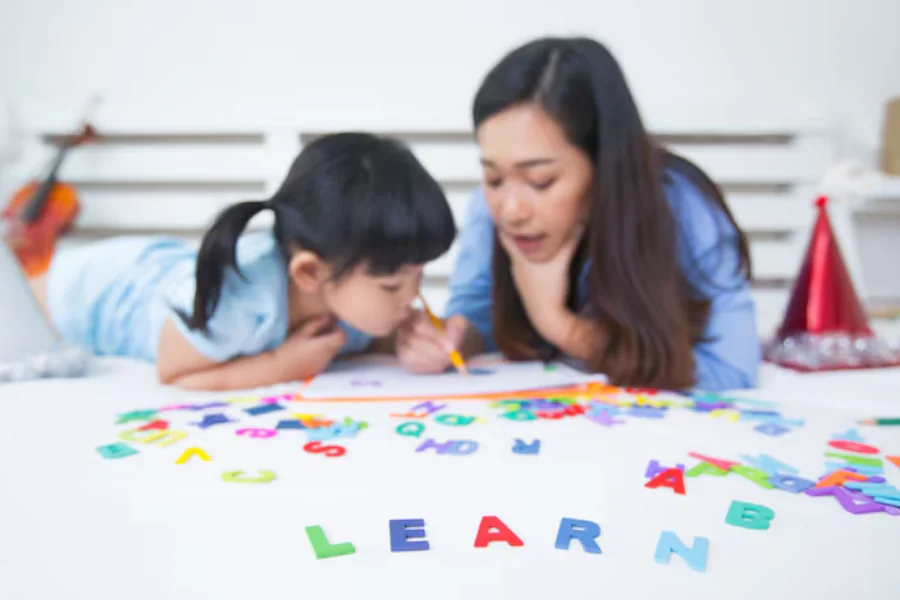
The Learning Ladder offers early childhood education programmes that include phonics as a key component of their curriculum. Their approach focuses on building language skills through structured lessons and engaging classroom activities.
Teachers create lesson plans that help children gradually improve their reading abilities while maintaining a positive learning experience. This helps children build confidence as they develop new skills.
Many parents appreciate the supportive classroom environment and the emphasis on balanced learning.
9. EduFirst
EduFirst is another education centre that offers phonics classes as part of its English enrichment programmes. Their lessons focus on phonemic awareness, reading fluency, and comprehension.
Teachers use various teaching strategies to support different learning styles. Some children learn best through visual materials, while others benefit from verbal or interactive exercises.
EduFirst centres are located in several residential neighbourhoods, making them accessible to families across Singapore.
10. Little Skool-House
Little Skool-House is a well-established preschool brand in Singapore that places strong emphasis on early language development. Phonics learning is integrated into their early childhood curriculum.
Their teaching approach focuses on creating a nurturing environment where children feel comfortable exploring new ideas and learning new skills. Reading activities, storytelling, and group discussions help students build language confidence.
The preschool’s structured curriculum aims to prepare children for primary school by developing strong literacy foundations.
Key Factors to Consider When Choosing a Phonics Class
Selecting the right phonics class requires careful consideration. Parents should look at several factors before enrolling their child in a programme.
The teaching approach is one of the most important factors. Some programmes focus on structured phonics instruction, while others combine phonics with play-based learning or creative activities.
Class size is also worth considering. Smaller classes often allow teachers to provide more individual attention, which can benefit children who need additional support.
Location and scheduling can also influence your decision. Choosing a centre that is convenient to travel to can make it easier to maintain consistent attendance.
Finally, parents should consider their child’s personality and learning style. Some children enjoy interactive learning environments, while others may prefer a more structured classroom setting.
By exploring these reputable phonics programmes and evaluating what works best for your child, you can find a class that supports their literacy development and builds a strong foundation for future learning.