
Dubai has always had a strong driving culture. Roads are wide. Distances between communities can be long. For years, owning a vehicle felt like the only practical option. That situation has changed.
Today, many residents live comfortably without buying a vehicle. Transport access, location choice, and flexible mobility options, such as a car subscription in Dubai, make it possible.
Public Transport Supports Everyday Travel
Dubai’s transport system connects most key areas. It links residential zones with offices, shopping districts, and public facilities. For many residents, this network handles daily commuting.
Metro
The metro is the most dependable option for longer distances. Two main lines connect major commercial and residential districts.
Services begin early and continue until late evening. Trains arrive frequently. So, the waiting time is minimal.
Buses
Buses connect areas where the metro does not reach directly. There are over 1,500 buses. These operate across different routes.
Bus services help residents reach metro stations and nearby districts. The bus shelters are enclosed and air-conditioned. This improves comfort.
Tram and monorail
The tram operates in coastal communities. It connects residential areas with workplaces and public spaces. The monorail serves island developments and connects with tram routes. These options reduce dependence on private vehicles.
Marine transport
Water taxis, ferries, and traditional boats operate across waterfront zones. These services provide both practical and reliable travel in certain areas.
Taxis and Ride Services Fill Remaining Gaps
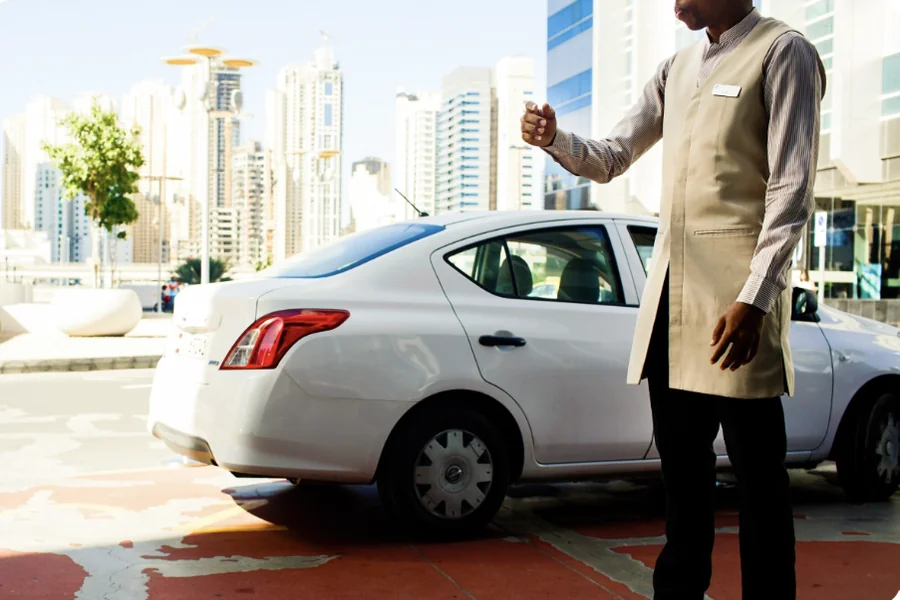
Public transport does not reach every building directly. Taxis help complete the remaining distance. They operate throughout the day and night.
Residents often use taxis for:
- Late evening travel
- Errands and shopping
- Travel during summer heat
- Areas without direct metro access
Neighborhood Choice Makes a Major Difference
Where someone lives has a major impact on whether ownership feels necessary. Districts with strong transport access make daily life easier without a personal vehicle.
These areas allow residents to rely on:
- Metro for work travel
- Buses for local movement
- Walking for short distances
- Taxis when required
Residents in outer districts may need additional planning.
Living Without Ownership Reduces Expenses
Owning a vehicle involves continuous spending. Fuel, insurance, maintenance, parking, and toll charges increase monthly costs. These expenses continue even with limited use.
Public transport costs remain lower. Transit passes and occasional taxi rides reduce overall spending. Living without ownership also removes responsibility for repairs and servicing.
This approach suits many professionals and residents who live near transport access.
Weather and Distance Still Influence Decisions
Dubai’s climate affects how residents move around. Summer temperatures limit walking distances. Outdoor travel can become uncomfortable during certain months.
Fortunately, most public transport options remain climate-controlled. Stations and vehicles offer protection from heat. Taxis provide a comfortable alternative when walking becomes difficult.
Planning travel times and routes helps reduce inconvenience.
Flexible Mobility Without Ownership
Some residents still prefer regular access to a vehicle. A car subscription in Dubai offers that option without long-term ownership. It allows residents to use a vehicle through a fixed monthly arrangement.
This usually includes servicing, insurance, and maintenance. It removes high upfront costs. It also allows flexibility when needs change.
A car subscription in Dubai suits residents who want convenience without permanent ownership. It provides access without a long financial commitment.
A Practical Choice for Many Residents
Living in Dubai without owning a vehicle is no longer unusual. Public transport handles most daily travel. Taxis provide additional convenience when needed. Choosing the right location improves comfort and efficiency.
At the same time, solutions like a car subscription in Dubai offer another level of flexibility. Residents can access a vehicle, when necessary, without taking on ownership burdens. This balance allows people to move through the city in a way that fits their lifestyle, budget, and daily routine.