
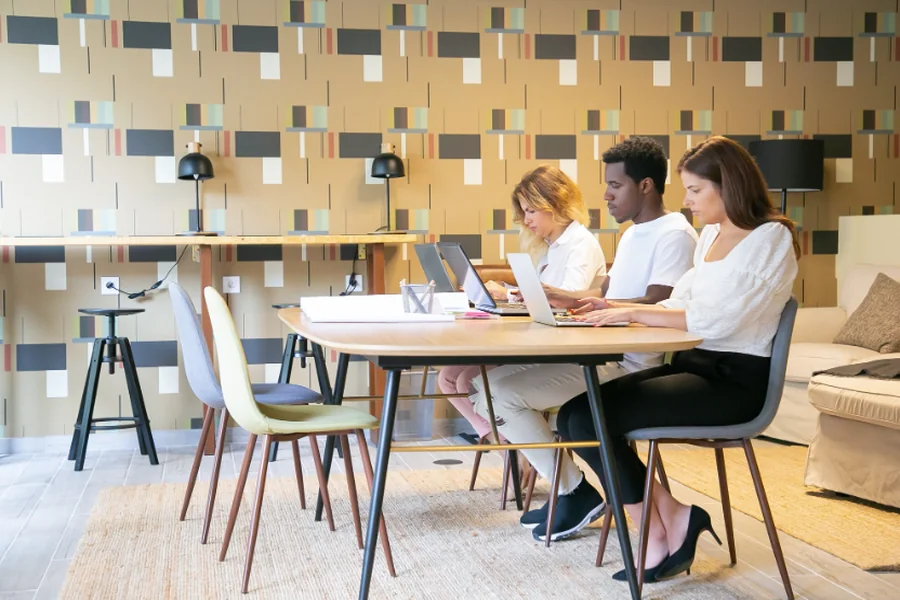
In recent years, the way people work has changed significantly, with more professionals and businesses seeking flexible alternatives to traditional office environments. Singapore, known as a global business hub, has quickly adapted to this shift by developing a wide range of co-working spaces that cater to freelancers, startups, and established companies alike. These shared work environments offer modern solutions that support productivity, collaboration, and convenience in an increasingly fast-moving business world. Choosing a co-working space in Singapore allows professionals to enjoy flexibility while benefiting from a dynamic and well-equipped work setting.
The Evolution of Workplaces
Workplaces have evolved beyond the traditional office setup, where employees were once confined to fixed desks and rigid structures. Today, co-working spaces provide open, adaptable environments that encourage communication and teamwork. This change reflects a broader shift in work culture, where flexibility, creativity, and community have become essential values.
Singapore’s dynamic economic environment makes it an ideal location for these modern workplaces. The city’s strong infrastructure, technological advancement, and emphasis on innovation all contribute to the success of co-working spaces, allowing them to thrive across various industries.
Benefits of Co-working Spaces
Enhanced Creativity and Collaboration
Co-working spaces bring together individuals from different industries, creating a diverse and dynamic working environment. This diversity often leads to the exchange of ideas and the development of innovative solutions that might not emerge in traditional office settings. In Singapore, where industries such as finance, technology, and creative services frequently overlap, co-working spaces play an important role in encouraging collaboration and fresh thinking.
Flexibility and Scalability
One of the most important advantages of co-working spaces is flexibility. Businesses can adjust their workspace requirements based on their current needs without being tied to long-term leases. This is particularly beneficial in Singapore, where office rental costs can be high and inflexible commitments may place pressure on smaller businesses.
Startups and small to medium-sized enterprises benefit greatly from this model, as it allows them to manage costs more efficiently while still accessing professional working environments. The ability to scale up or down easily makes co-working spaces a practical solution for growing businesses.
Boosting Entrepreneurial Spirit
Co-working spaces also play a significant role in supporting entrepreneurship by creating an environment that encourages innovation and business development.
Support Networks and Resources
Many co-working spaces offer more than just desks and meeting rooms. They provide access to business support services such as mentorship programmes, networking events, and professional guidance. These resources help entrepreneurs develop their ideas, improve their business strategies, and connect with potential partners or investors.
In Singapore’s competitive business environment, such support systems are particularly valuable for startups looking to establish themselves and grow sustainably.
Building Stronger Professional Networks
Working in a shared environment naturally encourages interaction between professionals from different backgrounds. This creates opportunities for networking, collaboration, and knowledge sharing. In Singapore’s co-working community, individuals and businesses can form meaningful connections that may lead to partnerships, new projects, or business expansion opportunities.
Integration of Technology
Smart Solutions for Modern Workplaces
Technology plays a central role in the success of co-working spaces in Singapore. Many facilities are equipped with advanced digital systems designed to improve efficiency and user experience. These may include cloud-based collaboration tools, high-speed internet infrastructure, and smart access systems that enhance both security and convenience.
Such technological integration ensures that businesses operating within co-working spaces can function smoothly and remain competitive in an increasingly digital economy.
Sustainable Practices
Alongside technological development, sustainability has become an important focus for many co-working spaces. Efforts such as energy-efficient building designs, recycling programmes, and environmentally friendly materials are becoming more common.
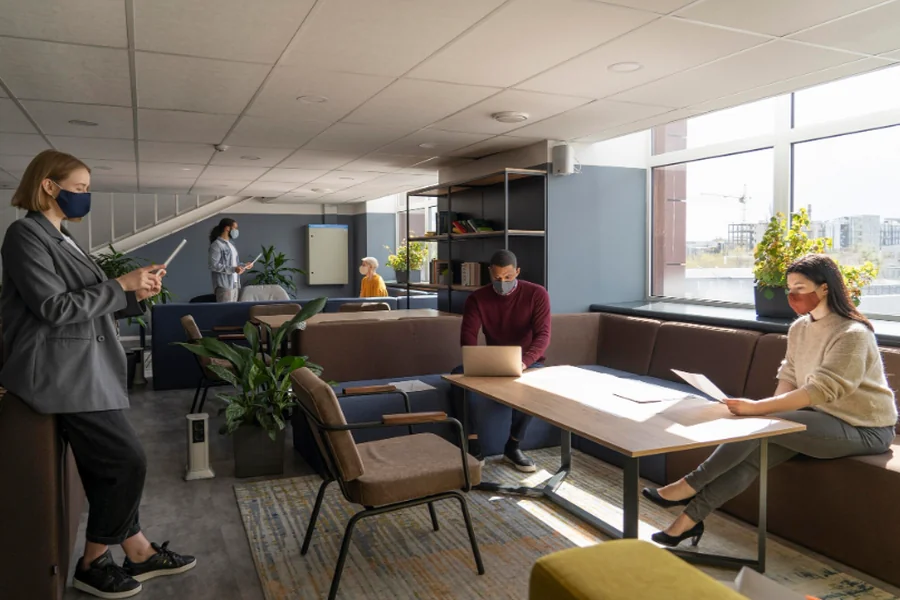
These initiatives not only help reduce environmental impact but also align with the values of modern professionals who prioritise sustainability in their working environments. This combination of innovation and responsibility reflects Singapore’s broader commitment to sustainable development.
Co-working Space Design
Aesthetically Pleasing and Functional
The design of co-working spaces plays an important role in shaping user experience. In Singapore, many of these spaces are carefully designed to balance functionality with visual appeal. Open layouts, natural lighting, ergonomic furniture, and thoughtfully designed breakout areas all contribute to a comfortable and productive atmosphere.
These design elements are intended to support focus, reduce stress, and encourage interaction among users, creating a workspace that feels both professional and welcoming.
Adapting to Cultural Preferences
Singapore is a multicultural society, and co-working spaces reflect this diversity in their design and facilities. Many spaces include quiet zones for focused work, as well as communal areas that encourage social interaction. Some also provide facilities that accommodate different cultural practices, ensuring inclusivity and comfort for all users.
This attention to cultural sensitivity helps create an environment where people from different backgrounds can work together comfortably and effectively.
The Future of Work in Singapore
Embracing Hybrid Models
The future of work is increasingly moving towards hybrid arrangements that combine remote working with in-office collaboration. Co-working spaces are well suited to support this shift, offering flexible access to professional environments without the need for permanent office space.
In Singapore, this model is becoming more popular as businesses and employees seek greater work-life balance and adaptability in their working arrangements.
Continued Growth and Expansion
As working styles continue to evolve, the demand for co-working spaces in Singapore is expected to grow further. More businesses are recognising the advantages of flexibility, cost efficiency, and collaboration, making shared workspaces an important part of the modern business landscape.
This ongoing growth highlights the importance of co-working spaces in supporting Singapore’s position as a leading global centre for business, innovation, and entrepreneurship.
Conclusion
The rise of co-working spaces in Singapore reflects a broader transformation in how people approach work. These spaces offer flexible, collaborative, and technology-driven environments that support a wide range of professionals and industries. By encouraging creativity, supporting business growth, and embracing modern working trends, co-working spaces have become an essential part of Singapore’s evolving workplace ecosystem.
As the demand for adaptable work environments continues to increase, co-working spaces are set to play an even more important role in shaping the future of work in Singapore, helping businesses and individuals thrive in a dynamic and competitive global economy.