
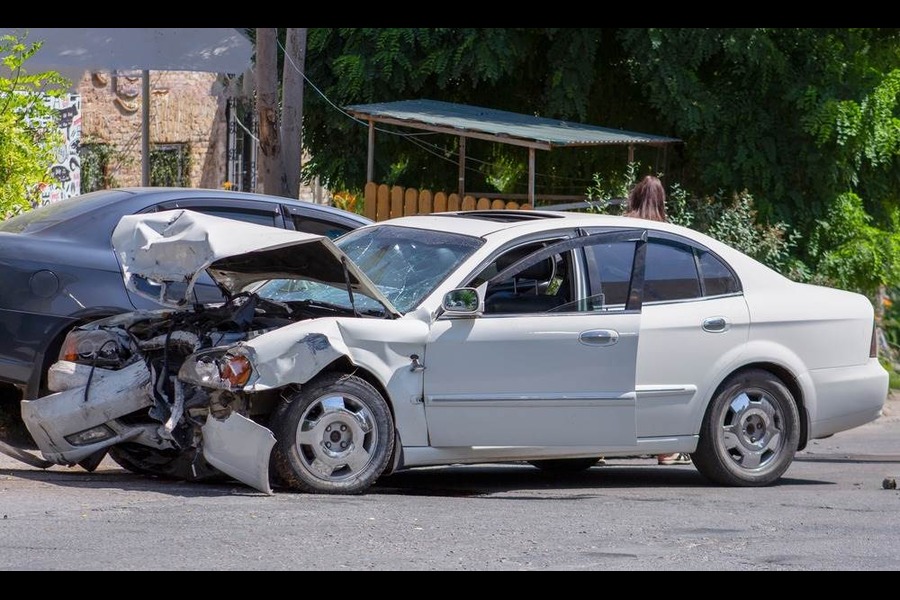
The most expensive mistake after a fatal accident is not what happens at the crash scene. It happens afterward.
Many families spend the first days and weeks focused on funeral arrangements, emotional recovery, and helping loved ones cope with an unexpected loss. During this difficult period, questions often arise about legal rights and whether pursuing North Charleston wrongful death claims may be appropriate when another person’s negligence is believed to have played a role.
While families are grieving, important evidence can disappear, witness memories can fade, and insurance companies may begin conducting their own investigations.
The common assumption is that wrongful death cases are mostly about compensation.
The reality is different.
The strongest cases are often built on facts gathered long before settlement discussions begin.
Families who understand this early are often better positioned to protect both their legal rights and their financial future.
“The first version of an accident story is not always the complete story. Evidence often reveals details that were not immediately apparent in the days following a tragedy.”
This raises an important question.
What should families focus on after a fatal accident caused by negligence?
The answer often comes down to four critical actions.
Protect Evidence Before It Disappears
Time can quietly become one of the biggest obstacles in a wrongful death case.
Witnesses who clearly remember events shortly after an accident may struggle to recall those details months later. Surveillance footage can be erased. Physical evidence may be lost. Vehicles may be repaired or destroyed.
This is why preserving information as early as possible can make a significant difference.
According to the National Highway Traffic Safety Administration, thousands of fatal crashes occur each year across the United States. Determining exactly how these accidents happen often requires a careful review of evidence from multiple sources.
Police reports tell part of the story.
Medical records may provide additional insight.
Photographs, witness statements, electronic data, and expert analysis often help complete the picture.
Evidence becomes harder to collect as time passes.
That reality can affect the outcome of a claim long before legal proceedings formally begin.
Look Beyond Immediate Financial Costs
Many people assume wrongful death cases focus primarily on funeral expenses and medical bills.
Those costs matter.
They are only part of the financial impact.
When a spouse, parent, or primary provider dies unexpectedly, surviving family members may face years of financial uncertainty. Lost income, lost benefits, retirement contributions, and future earning capacity can create challenges that extend far beyond the weeks following the accident.
A single fatal incident can alter educational plans, housing decisions, and long-term financial goals for an entire family.
“The financial impact of a wrongful death is often measured in years, not months.”
South Carolina law recognizes that surviving family members may experience both current and future losses. Understanding the full scope of those losses is often an important part of evaluating a claim.
Remember That Insurance Investigations Have Limits
Many families believe insurance companies will uncover every fact related to a fatal accident.
Insurance investigations play an important role.
However, their priorities may not always align with the interests of surviving family members.
Insurance carriers evaluate liability, damages, policy limits, and financial exposure. Their objective is to assess risk and resolve claims efficiently.
As a result, independent investigation often becomes an important part of understanding what truly happened.
For example, a fatal commercial truck accident may involve multiple parties, including the driver, trucking company, maintenance contractors, cargo providers, and separate insurance carriers.
Medical negligence cases can be equally complex. Questions involving diagnoses, treatment decisions, medication errors, or surgical procedures frequently require detailed expert review.
According to the Centers for Disease Control and Prevention, injury prevention and patient safety remain important public health priorities nationwide.
Initial reports rarely tell the entire story.
A complete investigation often reveals details that are not immediately available in the days following an accident.
Accountability Often Matters More Than People Expect
Many people assume wrongful death lawsuits are only about recovering compensation.
For many families, accountability is equally important.
They want answers.
They want to know what happened.
They want to understand whether the tragedy could have been prevented.
A fatal accident involving distracted driving, unsafe property conditions, defective products, or workplace safety failures can raise serious questions about responsibility.
Holding negligent parties accountable may encourage safer practices and help prevent similar incidents from affecting other families in the future.
The U.S. Department of Justice regularly emphasizes the role accountability plays in promoting public safety and protecting communities.
While no legal outcome can undo a loss, many families find value in obtaining answers and ensuring responsible parties are held accountable for their actions.
The Central Reality: Time Shapes Almost Every Wrongful Death Case
Each of these four actions points back to one important truth.
Time matters.
Evidence changes.
Memories fade.
Records become more difficult to obtain.
Important opportunities can be lost.
Families should never feel pressured into making immediate decisions while grieving. At the same time, understanding available options early often helps preserve information that may later become essential to a case.
Wrongful death claims frequently involve complicated questions regarding negligence, damages, liability, and insurance coverage. Addressing those questions sooner rather than later can provide greater clarity during an already difficult period.
Moving Forward After an Unimaginable Loss
No legal claim can replace a spouse, parent, child, or sibling.
No settlement can erase the pain that follows a fatal accident.
What the legal process can provide is a path toward answers, accountability, and financial stability.
For families facing the aftermath of a tragic loss in North Charleston, understanding available legal options may help them make informed decisions about the future.
The tragedy itself cannot be changed.
What happens next often can.
And in many cases, the decisions made during the first few weeks after a fatal accident have a lasting impact on everything that follows.