
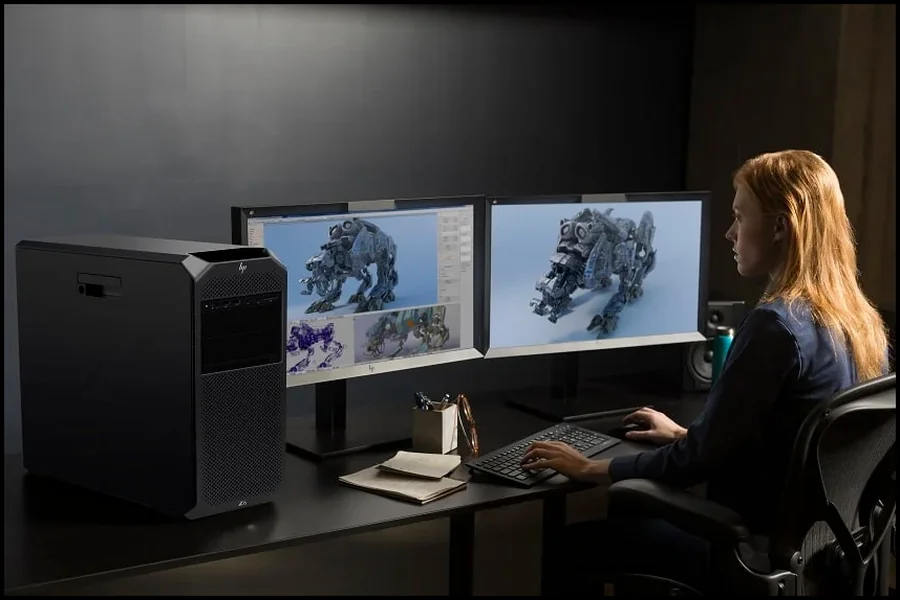
The design of a product is dependent upon how fast the team is able to visualize, analyze, and refine the concept. Traditional drawings and the process of rendering can take time in the design process, particularly if the design process has many iterations. The process of real-time 3D visualization transforms the process because it enables the designer to see the progress as it occurs.
1. Real-Time Visualization Provides Immediate Design Feedback
When using real-time 3D visualization, one will not have to wait for the lengthy rendering process to take place in order to see any modifications. Changes in geometry, color, material, lighting, and surface can be made as the object is being viewed. Through instant feedback, designers are able to understand the effects of the changes on their work without relying on documentation or assumptions.
If one requires high-performing computers for complex visualization tasks, then one can use the KeyShot Intel Ultra workstation, which will provide sufficient power for interactive visualization.
2. Faster Iterations Improve the Design Process
There is no single method for the product development process. In most cases, there is a need to adjust the ratios, materials, forms, and so forth before finding the right option. Through real-time visualization, this will become easy since all adjustments will be seen immediately.
There is no need to generate a new rendering for each minor change, as designers can edit their model directly in the virtual world. In this way, the designers will spend less time on each stage of the design process and will have the opportunity to try more variations.
3. Design Problems Can Be Found Earlier
The cost of mistakes would be very high once detected after the manufacturing process has begun. The design could have looked perfect on a simple diagram but has its shortcomings once viewed from various angles or even once created using real materials and lighting conditions.
By utilizing real-time 3D visualization, the designer would be able to study the design of the product that he or she is proposing to manufacture. It would be easier to notice any mistakes in the proportional relationship, form, surfaces, and others. Such mistakes should be detected at the digital phase before the actual manufacturing process commences.
4. Interactive Models Make Design Reviews More Useful
It becomes easier for design reviews to take place if all the individuals involved can work together on the same model. The individual team members will not have to view only a static image but will be able to experiment with the product itself.
This process will enable the designers and engineers to have clear discussions about the modifications that need to be made. The stakeholders will be able to comprehend the expected outcome without having to comprehend the engineering drawings.
From Faster Iteration to Better Design Decisions
The significance of real-time visualization does not just come from the faster creation of visuals but from the fact that the visual assessment of design becomes an integral part of the design process. Designers are able to assess any changes that are made immediately rather than having to wait until they reach the stage of rendering, once all the necessary modifications have been made.
This enables the team to experiment and explore more as they are in a position where changes are easier to make.
5. Digital Prototypes Reduce Dependence on Physical Samples
Physical models are still beneficial despite the need for extra material and effort when constructing multiple models. Real-time 3D modeling allows one to explore multiple problems related to design virtually before creating the physical model.
The designer is able to evaluate different shapes, textures, colors, and all visual attributes of the model. This does not mean that physical verification is no longer needed where necessary, but the process can help save effort on unnecessary physical prototyping. More decisions can be made prior to making a new prototype.
6. Real-Time Rendering Helps Compare Design Alternatives
Product concept comparison becomes more straightforward when one can visualize and manipulate alternatives fast. A design team can assess different concepts and their impacts on the whole design without re-creating the whole visualization process flow.
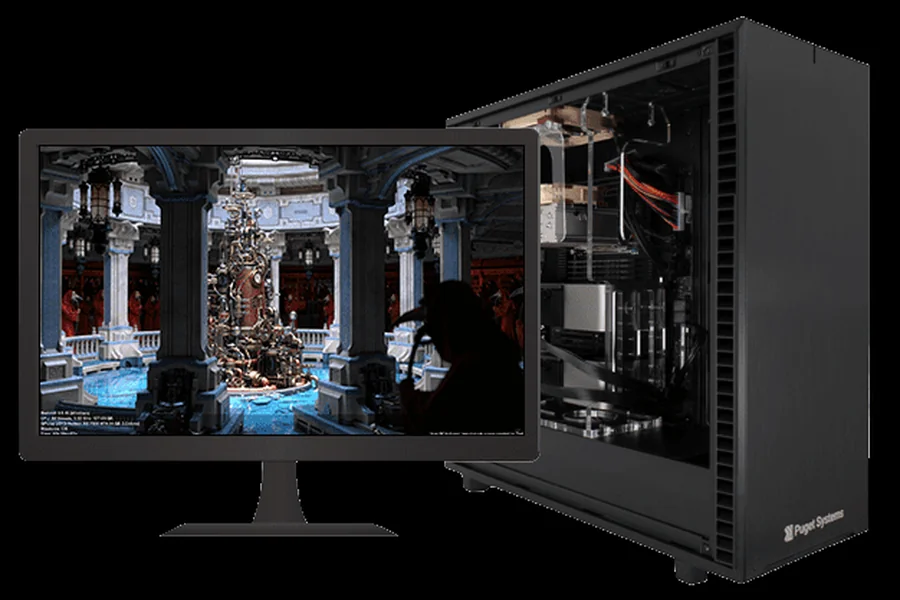
When it comes to processes that demand intensive rendering, a KeyShot GPU rendering workstation can be used to cope with challenging visualization workloads through powerful graphics capabilities. Faster rendering will help to maintain the feasibility of comparisons in case there are several concepts to compare within a tight development schedule.
7. Product Materials and Finishes Can Be Evaluated Earlier
The appearance of the product can greatly differ depending on the material used, the surface finish, its color, and lighting. Real-time visualization allows modifying these elements while observing the model, thus giving designers the chance to imagine how the final product will appear.
Designers don’t have to create individual samples for each variation while choosing among different surfaces and materials; therefore, this approach provides more flexibility in the process of making a decision and helps the group to select proper combinations faster. This method will also help prevent any issues connected with the surface/material choice that didn’t provide the expected appearance.
8. Stakeholders Can Understand the Product More Clearly
All decision-makers may not possess sufficient technical knowledge to comprehend and make sense of computer-aided design (CAD) drawings and detailed engineering documents.
A realistic and interactive three-dimensional (3D) model is an effective means to analyze the product proposal in their own way.
The stakeholders will be able to visualize various features of the product from different angles before its manufacture. It will help them focus better in their discussions since all discussion will revolve around the same visual information.
9. Faster Feedback Keeps Product Design Moving
Delays frequently happen because of the requirement for the design to go through a number of different phases before any modifications can be evaluated.
Real-time visualization closes the gap between modification and visual feedback on that change.
It enables the designer or engineer to make use of the information and respond to it faster during the design process. The design could be modified without having to go back to the previous decisions made.
Making Real-Time Visualization Part of Better Design Work
The benefits of real-time 3D visualization in product design include altering the way in which decisions regarding the project are made. In place of having to wait until renders are complete or relying on samples, changes can be evaluated.
Its value comes from the combination of immediate feedback, faster iteration, earlier problem detection, clearer collaboration, and more efficient visual evaluation. As product designs become more detailed and development cycles demand faster decisions, capable visualization systems can help teams keep design work responsive and controlled. Platforms and workstations from Cloud Ninjas can support these demanding visualization workflows when the required computing capacity extends beyond standard office hardware.