
Office Space Rental
The office space rental market is undergoing a significant transformation. Traditional, large office spaces are seeing less demand as hybrid work models and remote work options become increasingly popular. Many companies now prioritize flexibility, cost-effectiveness, and employee well-being when choosing a workspace. To meet these needs, landlords and commercial property managers are introducing more adaptable office solutions, including smaller private spaces, co-working hubs, and flexible lease terms. These changes are creating opportunities for businesses to access professional work environments without the burden of high costs or long-term commitments, such as The Work Project small private office space for rent City of London.
The Importance of Cost-Effectiveness and Efficiency
Choosing the right office space goes beyond aesthetics—it directly affects operational efficiency, employee productivity, and overall business growth. A workspace that balances affordability with necessary amenities allows a company to invest resources where they matter most. Whether it’s for a startup with limited funds or an established small business looking to optimize overhead, selecting a space that maximizes efficiency can make a significant difference. Small private office spaces provide just that—a professional, functional environment that supports day-to-day operations while remaining financially manageable.
What Small Private Office Spaces Are
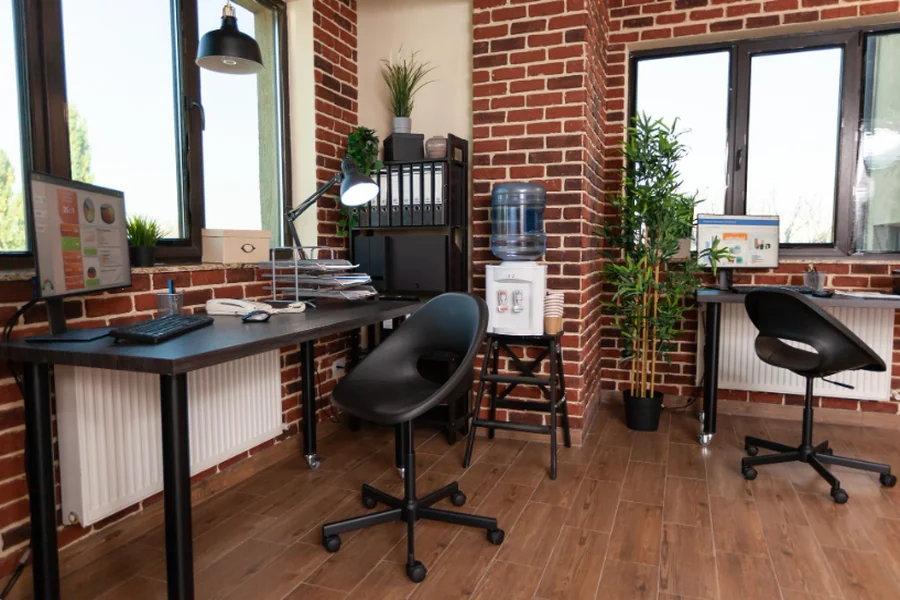
Small private office spaces are compact, dedicated work areas designed for individuals or small teams. Unlike large open-plan offices, these spaces prioritize privacy, focus, and professional ambiance. Most include essential features such as ergonomic chairs, proper lighting, soundproofing, and sufficient electrical outlets. The limited size encourages productivity while keeping costs lower than traditional offices. Small private offices are adaptable, making them suitable for various business types, including freelancers, startups, consultants, and remote teams needing occasional in-person collaboration.
Why They Are Gaining Popularity
Several factors explain the growing popularity of small private offices. Technology plays a key role, allowing seamless internet connectivity, cloud-based collaboration, and efficient office management tools. Small offices are also affordable and easier to maintain, making them particularly attractive to businesses operating on tight budgets. Additionally, the desire for professional yet intimate workspaces has increased. These offices offer the privacy to conduct meetings, focus on critical tasks, and create a professional image without the distraction or noise of shared open spaces. Social media and online communities have amplified awareness, showing how small offices can provide all the benefits of a larger workspace at a fraction of the cost.
Suitability for Different Business Types
Small private offices are highly versatile. Startups benefit from low overhead and easy scalability. Consultants and freelancers gain a professional address for client meetings without committing to a full-scale office. Remote teams can have a central hub for collaboration when occasional in-person work is required. Even small branches of larger companies can use these spaces to maintain a local presence while reducing rental expenses. By matching the office type to the business structure, companies can optimize workflow, maintain professionalism, and enhance productivity without paying for unnecessary space.
Cost Comparison with Traditional Offices
Traditional offices typically require long-term leases, higher utility bills, and ongoing maintenance costs. Small private offices offer a cost-effective alternative. Their flexible leasing options and reduced overhead make them ideal for startups, freelancers, and small businesses. By lowering rental expenses and reducing additional costs like furnishing and utilities, businesses can allocate funds to other priorities such as marketing, technology, or talent acquisition.

What’s Typically Included in the Rent
Most small office rentals are designed to simplify the tenant experience. Rent often includes utilities such as electricity, water, and high-speed internet. Many also provide access to cleaning services, security, and shared common areas like kitchens or meeting rooms. Some spaces include furniture, which removes the need for additional investments and allows tenants to move in and start working immediately. These inclusions provide convenience, reduce operational headaches, and allow companies to focus on core business activities.
Personalization
One of the most attractive features of small private offices is the ability to personalize the space. Businesses can design interiors to reflect their brand, install preferred lighting, or add decorative elements that create a motivating work environment. Personalization boosts comfort, employee satisfaction, and creates a space that feels both professional and welcoming.
Reduced Commuting Time
Strategically located small offices can reduce commuting time, helping employees maintain a better work-life balance. Shorter commutes mean less stress and more energy for focused work. For companies, this can result in increased productivity and higher employee retention rates.
Access to Shared Amenities
Even small offices often provide access to shared amenities such as meeting rooms, break areas, or networking lounges. These features promote collaboration, networking, and a sense of community among tenants. Businesses benefit from these shared spaces without the high costs of maintaining them independently.
Platforms and Resources
A variety of platforms make it easy to find suitable office spaces. Real estate websites, coworking space providers, and commercial property listings are valuable starting points. Local classifieds and professional networks can also provide leads for available spaces. Many providers offer online booking and virtual tours, making the search convenient and time-efficient.
Tips for Negotiation
Negotiating a lease can save money and improve terms. Research market rates to understand typical pricing, define your requirements, and set a budget. Approach landlords with clear objectives, establish a “walk-away” point, and aim for mutually beneficial agreements. Effective communication and preparation ensure you secure the best deal while protecting your interests.
Things to Consider Before Renting
It’s crucial to review all lease terms and conditions thoroughly. Understand your obligations, rental period, termination clauses, and any additional costs. Ensure the office aligns with your business operations, employee needs, and workflow. A well-chosen space should support both productivity and long-term business goals.
Success Stories
Many businesses have benefited from small private office spaces. Startups often use these offices to operate efficiently without the financial burden of a large lease. Freelancers and consultants gain a professional environment for client meetings. Case studies show improved team focus, productivity, and collaboration. Tenants often praise responsive management, well-maintained facilities, and the sense of community these offices provide. These success stories highlight the practical advantages of choosing the right small office space.
Conclusion
Small private office spaces are becoming increasingly popular because they combine affordability, flexibility, and professionalism. They provide a private, productive environment suitable for freelancers, startups, and small teams. These spaces reduce overhead, save commuting time, and often include essential amenities such as utilities, internet, and shared facilities. Personalization and customization allow businesses to create a space that reflects their brand and supports employee well-being.
Choosing the right office space is not just about cost—it’s about finding a solution that enhances efficiency, fosters collaboration, and contributes to long-term business success. By carefully selecting a small private office that aligns with your operational needs, you can create a professional environment that encourages productivity, growth, and overall satisfaction.
Small private office spaces represent a smart, modern approach to working in today’s evolving business landscape. They provide all the essentials of a traditional office while offering flexibility, affordability, and convenience—making them the ideal choice for businesses that want to work smarter, not harder.