
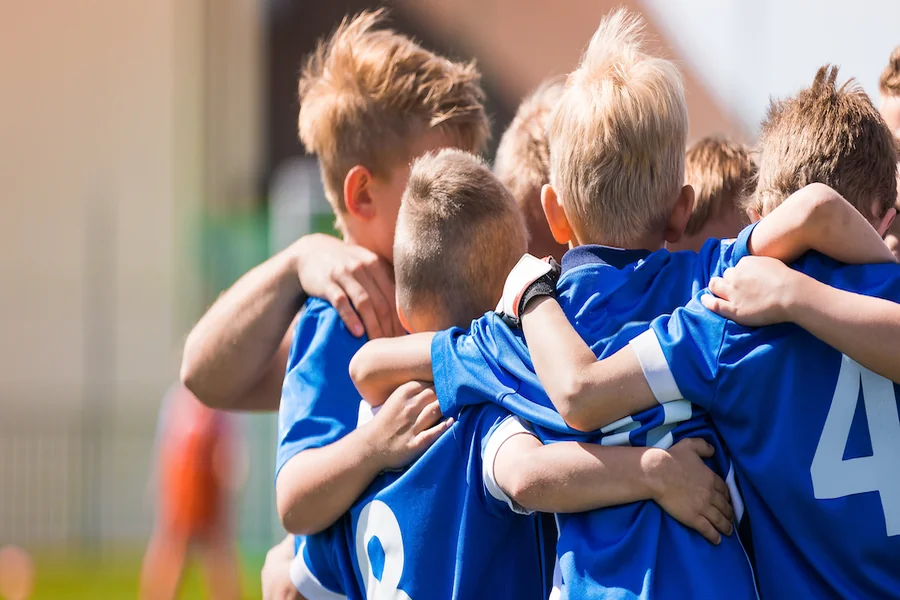
Young children learn more than just sports skills when they step onto a field or court. Physical activity at a young age builds a foundation that extends well beyond the gym. Research shows that children who take part in team sports tend to do better in school and in social settings. School-based athletics give children a structured environment where they can grow in body and mind. This article covers key benefits that make youth sports programs worth every bit of support from parents and educators.
Youth Sports Set the Stage for Growth
Elementary school athletics programs do far more than keep kids active after the school bell rings. They create a setting where children learn discipline, self-control, and how to work toward a goal. A child who shows up to practice on time and follows a coach’s direction builds habits that carry into the classroom. These programs also give children a sense of belonging, which matters deeply at a young age. Regular physical activity has also been shown to improve focus and reduce restless behavior during school hours.
Better Physical Health
Children who stay active on a regular basis build stronger muscles, better heart health, and improved coordination. Sports give kids a natural way to move their bodies in ways that are both fun and beneficial. A child who plays sports at school is more likely to stay active outside of school as well.
Stronger Social Skills
Team sports teach children how to cooperate, communicate, and show respect for others. When kids share a goal with their teammates, they learn to listen and work as a unit. These lessons transfer directly into friendships and group work at school.
Children who take part in regular physical activity tend to concentrate better during lessons. Exercise releases brain chemicals that support attention and memory, both of which help with learning. Teachers frequently notice that active students return to class more focused and ready to work.
Development of Emotional Strength
Sports introduce children to both wins and losses, and both experiences matter for growth. A child who handles a tough loss with grace learns emotional regulation that serves them for life. Coaches and teammates help create a space where it feels safe to try, fail, and try again.
Growth in Self-Confidence
Each time a child masters a new skill or contributes to a team win, confidence grows. Small victories in sports add up to a stronger belief in personal ability. That belief does not stay on the field but shows up in how children approach hard tasks at school and at home.
Respect for Structure and Rules
Sports come with rules, and learning to follow them is a meaningful part of youth development. Children who respect game rules tend to show the same respect for classroom expectations and community standards. This benefit alone makes sports a powerful tool in early character education.
Elementary school athletics programs create a ripple effect that touches every part of a child’s development. Children gain health, confidence, social skills, and emotional tools that last well beyond their school years. The best step a parent or school can take right now is to actively support and encourage children to join a team sport. Make participation a priority, stay involved, and watch how the experience shapes a stronger, more capable young person.