
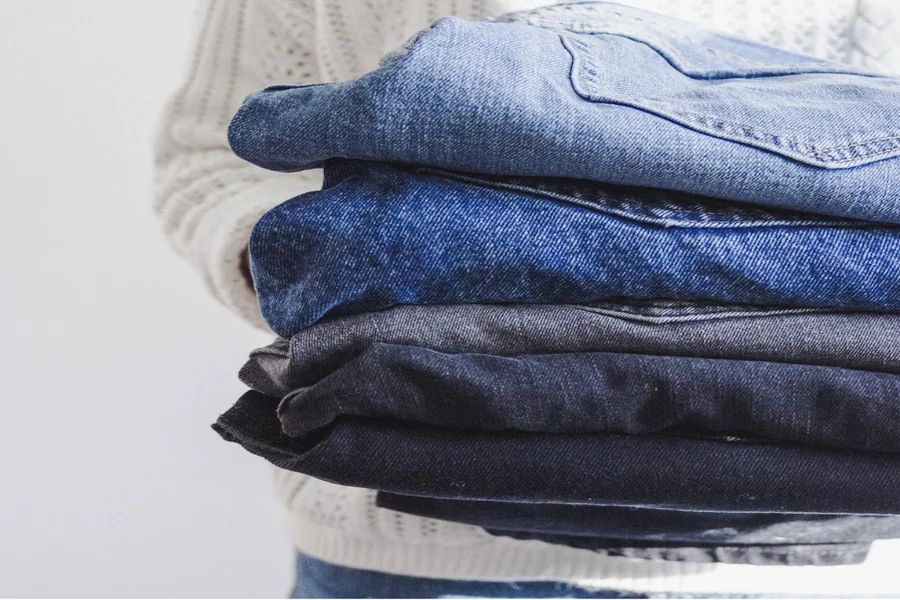
Baggy jeans are not merely having a comeback. They have settled in the fashion arena for good.
People love wide, baggy jeans. They feel relaxed and look cool. Such jeans are also easy to move in. These are hugely versatile. So, you can easily pair them with almost everything. However, what sets them apart is the fabric. Stretch or rigid denim might look identical at first glance, but the differences seem apparent when you try them on.
Let us discuss how the two denim fabrics feel and behave across seasons.
Why Baggy Jeans Work for Every Season?
Winter
During winter, the relaxed and roomy legs of baggy jeans give ample space for layering. So, you can slide in:
- Thermals
- Fleece-lined tights
- Woolen socks
Spring
During spring, these jeans feel lighter when paired with linen shirts or cotton tops.
Summer
During summer, the wide leg makes the jeans more breathable. It will let the air pass through and keep you cooler.
Fall
When fall comes in, flannels and textured sweaters can easily fit in with the heavier denim.
So, baggy jeans are an all-season staple.
Stretch Denim: Soft, Forgiving, and Easygoing
Stretch denim is the relaxed version of baggy jeans. It’s usually cotton blended with a bit of elastane. It gives the baggy relaxed jeans fabric natural flexibility. You notice it when you’re walking or sitting. The stretch will feel more apparent while bending or doing everyday things. They move with you instead of resisting.
What stretch denim naturally offers:
- Comfortable waist, even on long days
- Better movement in tapered cuts
- Flexibility around the thigh and knee area
- Easier sizing since the fabric adjusts a little
- Lighter feel, which helps in warmer weather
Rigid Denim: Clean Shape and Classic Structure
Rigid denim is the no-stretch, old-school fabric: just pure cotton. It has that crisp fall from the waistband down. This gives the jeans a steady shape.
If you like a wide leg that doesn’t collapse or cling, rigid denim holds that frame well.
What makes rigid denim stand out? It
- Keeps a sharp silhouette throughout the day
- Gives that ”90s-inspired drape
- Works well with boots or chunkier sneakers
- Breaks in slowly and molds to you with time
- Feels supportive and solid in colder weather
How Fabric Changes the Fit You Choose
The cut you pick can feel completely different depending on whether it’s stretchy or rigid:
- Wide-leg: Rigid denim gives this shape more drama and structure.
- Tapered: Stretch denim handles movement better and stays comfortable.
- Cropped: Works with both; it depends on whether you prefer a softer or stiffer drop.
- Cargo-style: Slightly heavier fabric feels more secure since pockets sit better.
Even the rise plays a role. High-rise gives stability, especially in rigid options. Low-rise looks cooler and more laid-back, but needs the right waist fit to avoid slipping.
Making it Look Intentional, Not Messy
Baggy jeans work best when the overall outfit has an ovesrsized structure or shape.
To achieve this:
- Front-tuck a tee or shirt
- Flip or roll the hem to show the shoes
- Add a belt when the waist feels too relaxed
- Pick footwear that matches the mood: boots for colder days, sneakers or sandals for warmer ones
- Keep accessories simple, so the denim stays the focus
Baggy jeans already take up space visually. The rest of the outfit doesn’t need to compete.
Stretch or Rigid? Picking What Actually Suits You
Go for stretch denim if:
- You move around a lot
- You hate stiff waistbands
- You want baggy jeans that still feel lightweight
Go for rigid denim if:
- You prefer a stronger shape
- You enjoy vintage-inspired silhouettes
- You want jeans that hold their structure instead of softening too much
Neither option is better. They just give different moods and levels of comfort. Some people even keep one of each because the outfits they create feel completely different.