
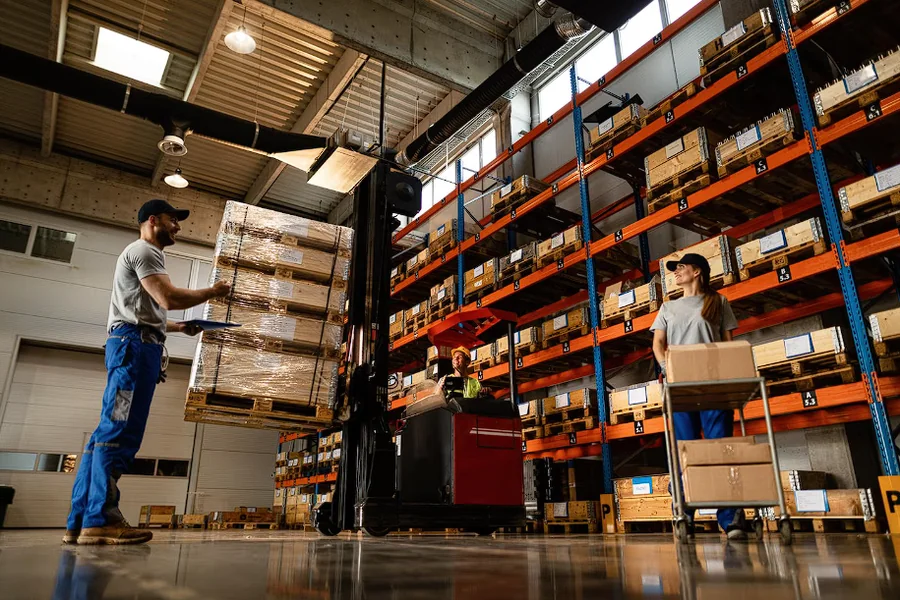
In today’s fast-paced business landscape, finding the right “warehouse storage space for rent” can significantly impact operational efficiency and bottom-line performance. As companies expand, the demand for adaptable and scalable storage solutions becomes paramount. Choosing suitable warehouse storage space for rent allows businesses to improve inventory organisation, support distribution activities, and respond more efficiently to changing operational demands. Businesses of all sizes face logistical challenges that require well-planned storage strategies to optimise inventory management and distribution processes.
The Importance of Adequate Storage
A cornerstone of efficient supply chain management lies in the astute use of warehouse storage. Whether a company is managing seasonal stock fluctuations or accommodating an increase in demand, having flexible storage options allows for better inventory control and cost efficiency. Warehouses designed for rent cater to diverse needs, from storing perishable goods to heavy industrial equipment shipping to USA.
Key Considerations When Choosing Warehouse Storage Space
When selecting a warehouse for rent, several factors must be meticulously appraised. The location of the facility is often indicative of logistical success, with proximity to transport hubs, suppliers, and target markets being paramount to reducing transportation costs and ensuring swift delivery. Additionally, the capacity of the storage space must align with the specific requirements of the business, taking into account future growth and seasonal variations.
Furthermore, the layout and infrastructure of the warehouse are vital. Features such as ceiling height, floor load capacity, and available technology for inventory management systems can streamline operations significantly. Integrating these elements ensures that the warehouse meets both current needs and allows for adaptability to future technological advancements.
Understanding Different Types of Warehouse Storage Options
Warehouses are not a one-size-fits-all solution. They come in various types, each suited to particular storage needs. Ambient storage warehouses are ideal for non-perishable goods, offering a cost-effective solution for general storage needs. In contrast, temperature-controlled warehouses are essential for perishable and sensitive products. These facilities are equipped with climate control systems that maintain specific conditions, extending the shelf life of goods that require special handling.
For businesses handling bulk items or high-turnover products, distribution centres provide an efficient hub for managing large volumes of inventory. These strategically positioned warehouses support quick turnover rates, enhancing the speed of distribution to various market locations.
Technological Integration in Modern Warehousing
Today’s warehousing solutions have heavily integrated technology into their operations, driving efficiency and accuracy. Automation systems, such as conveyors and robotic arms, have revolutionised the way warehouses function. They reduce reliance on manual labour and enhance productivity by speeding up the handling and movement of goods.
Moreover, implementing sophisticated Warehouse Management Systems (WMS) can provide real-time data tracking and inventory control, enhancing operational visibility and enabling precise demand forecasting. This technological edge is crucial for maintaining a competitive advantage and ensuring that customer demands are met promptly.
The Role of Security in Warehouse Storage
Ensuring the safety of stored goods is a top priority for businesses renting warehouse space. Modern warehouses employ advanced security measures such as CCTV surveillance, alarm systems, and controlled access protocols. These precautions not only protect valuable assets but also mitigate risks associated with theft and damage, safeguarding the business’s reputation and financial investment.
Environmental Considerations in Warehouse Selection
As global awareness of environmental sustainability increases, more businesses are keen on selecting warehousing solutions that align with green principles. Energy-efficient lighting, sustainable building materials, and waste management systems contribute to reducing the carbon footprint and promoting environmental stewardship. Moreover, some warehouses are now integrating renewable energy sources, such as solar panels, which can significantly lower operational costs and support a company’s sustainability goals.
Maximising Space Utilisation
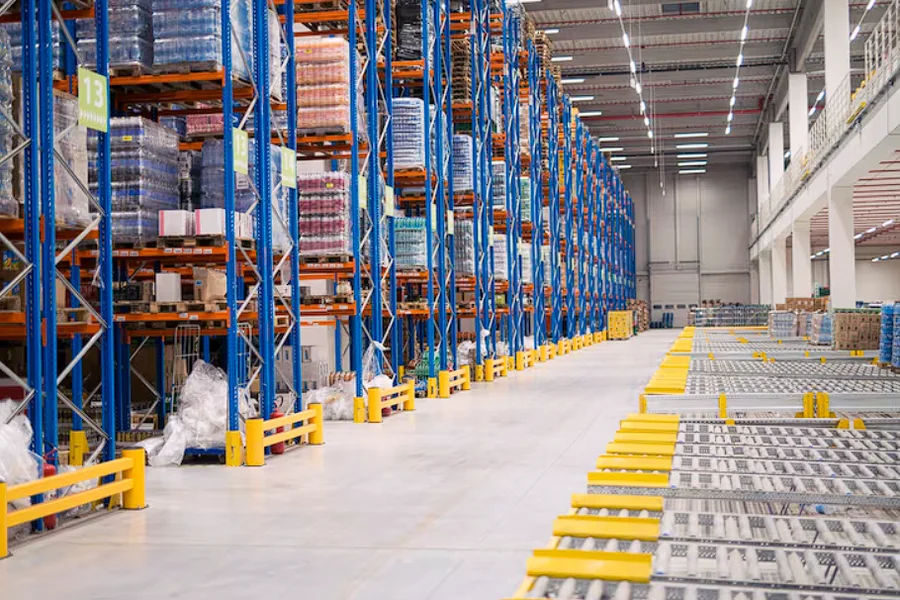
Optimal space utilisation is crucial in ensuring that warehouse operations are cost-effective. This involves strategic shelving systems, vertical stacking, and smart layout planning to maximise the available space. Customised storage systems tailored to specific product dimensions and specifications can greatly enhance space efficiency, accommodating more inventory without the need for expanding physical site area.
Achieving Flexibility with Lease Terms
The rental terms of warehouse spaces offer flexibility that can be advantageous for businesses at different stages. Short-term leases are suitable for companies with fluctuating demand or temporary storage needs, while long-term leases provide stability and predictability for established operations.
Cost considerations should also include potential penalties for early termination or modifications, which can affect budgeting. Carefully negotiating lease terms ensures alignment with business goals and financial planning, allowing companies to adapt swiftly to market changes.
Leveraging External Expertise
For companies navigating the complex landscape of finding suitable warehouse solutions, consulting with professionals who specialise in commercial real estate can be invaluable. These experts offer insights into market trends, competitor strategies, and optimal site selection, reducing the burden on in-house teams and ensuring an efficient decision-making process.
Furthermore, firms providing turnkey warehousing solutions can offer tailored services, from initial site evaluation to extensive logistics support, equipping businesses with comprehensive strategies to mitigate supply chain risks.
By understanding and employing the right strategies, companies can enhance their storage capabilities, ensuring seamless operations and ongoing success in an ever-competitive marketplace. For more information on available options and strategies, businesses can explore various resources and specialised service providers.