
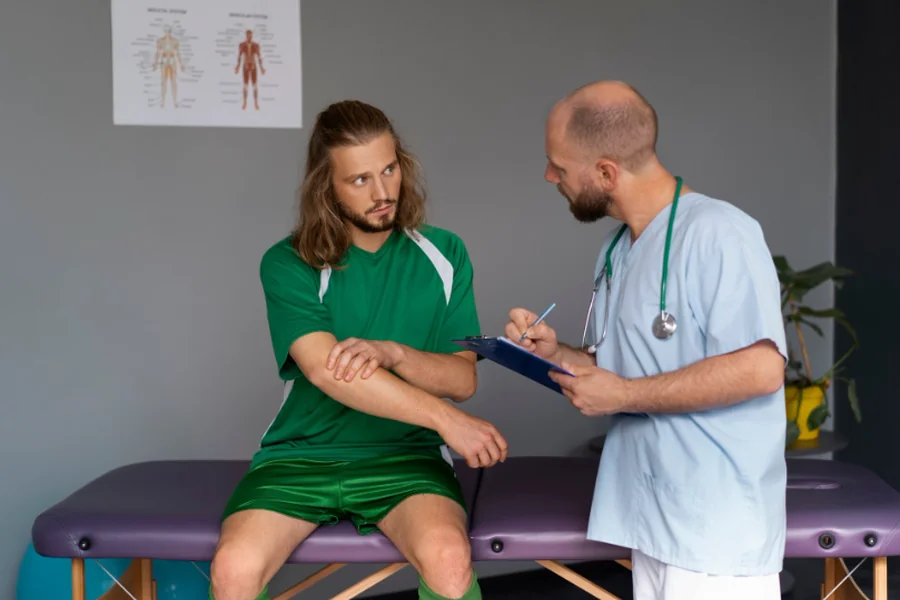
In the world of athletics and physical activity, sports injuries are an unfortunate but common reality. Whether it is a professional athlete competing at the highest level or an amateur enthusiast enjoying weekend sports, injuries can strike at any moment.
In Singapore, those affected often seek the guidance of a Doctor for Sports Injury in Singapore, a specialist trained to ensure proper recovery and a safe return to peak performance. These experts play a crucial role in supporting a robust sporting culture that values both achievement and well-being.
The Prevalence of Sports Injuries
Sports injuries can happen in countless ways, from sudden impacts to gradual overuse. They may manifest as sprains, fractures, dislocations, or even concussions. According to estimates by the World Health Organisation, millions of athletes worldwide sustain injuries each year, creating a significant impact on healthcare systems. In Singapore, the demand for specialised sports injury care has risen alongside the country’s growing focus on active lifestyles and competitive sports.
Understanding the prevalence of injuries is essential because not all injuries are alike. Some are minor and heal quickly, while others can become chronic if not managed appropriately. A seemingly small strain today could develop into a long-term issue if ignored, affecting both performance and quality of life. Recognising the signs early and seeking expert care is therefore essential.
The Role of a Sports Injury Doctor
A sports injury doctor is not just a physician—they are a specialist trained in the unique demands and risks associated with athletic performance. Their work extends beyond immediate treatment to include long-term rehabilitation, preventive advice, and personalised recovery strategies.
In Singapore, these doctors often collaborate with a team of physiotherapists, nutritionists, and coaches to create a comprehensive plan for each athlete. This multidisciplinary approach ensures that the treatment is holistic, addressing not only the physical injury but also overall performance, conditioning, and mental well-being. Sports injury doctors serve as the bridge between clinical expertise and athletic performance, ensuring that recovery is both effective and safe.
Common Sports Injuries Treated
Sports injury doctors encounter a wide array of conditions, each with unique considerations. Sprains and strains are among the most frequent injuries, often caused by overexertion, improper technique, or insufficient warm-ups. These injuries affect ligaments and muscles, causing pain, swelling, and temporary loss of function.
Fractures and dislocations are another concern, particularly in contact sports such as football or rugby. These injuries require prompt attention, as improper healing can lead to long-term complications or mobility issues. Tendonitis and bursitis, on the other hand, result from repetitive motion, affecting joints and tendons, and can significantly hinder performance if left untreated.
Concussions, a form of traumatic brain injury, are also increasingly recognised in sports. They require careful monitoring, as repeated impacts can have long-term neurological effects. Sports injury doctors evaluate concussions with caution, ensuring that athletes only return to activity when it is safe to do so.
Diagnostic Methods
Accurate diagnosis is the cornerstone of effective treatment. Sports injury doctors use a variety of tools to determine the nature and severity of injuries. Imaging techniques such as X-rays, MRIs, and CT scans provide a detailed view of bones and soft tissues. Ultrasound may also be used to visualise muscles, tendons, and joint movement in real-time, allowing for dynamic assessment.
Physical examinations remain equally critical. By observing an athlete’s movement, testing strength, and assessing pain levels, doctors can make nuanced decisions about treatment approaches. These evaluations help create a personalised recovery plan that addresses the athlete’s specific needs and physical characteristics.
Treatment Modalities
Once a diagnosis is established, treatment begins. Conservative approaches such as rest, ice, compression, and elevation (RICE), combined with anti-inflammatory medications, often form the first line of care. These measures aim to reduce pain and inflammation, setting the stage for rehabilitation.
Rehabilitation is a vital component of recovery. Physiotherapy focuses on restoring strength, flexibility, and mobility through guided exercises, gradual conditioning, and functional training. By retraining the body, athletes can regain their confidence and return to activity safely.
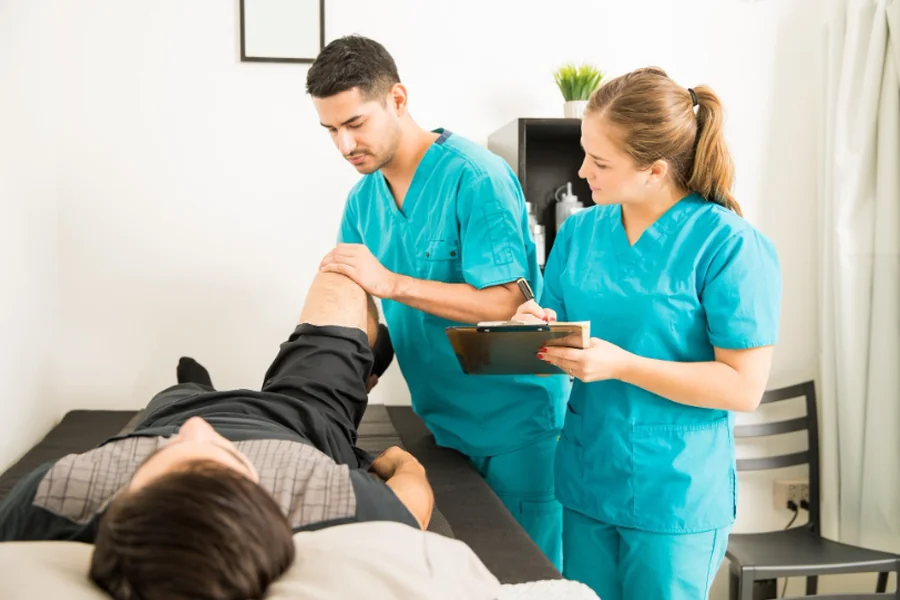
In more severe cases, surgical interventions may be required. Arthroscopic procedures allow for precise repair of joints, ligaments, or tendons, with minimally invasive techniques that reduce recovery time. Emerging therapies, including regenerative medicine options such as platelet-rich plasma (PRP) injections or stem cell treatments, are also being explored to accelerate healing and support tissue regeneration.
Prevention and Lifestyle Adjustments
Prevention is as important as treatment. Sports injury doctors provide guidance on safe training practices, emphasising customised programmes that match the athlete’s skill level and sport. Proper warm-ups, cool-downs, and recovery periods are critical to reducing the risk of injury.
Equipment also plays a role. Wearing protective gear that fits correctly and meets safety standards can prevent both minor and serious injuries. Similarly, nutrition is vital—adequate protein, vitamins, and hydration support muscle repair and endurance. Education is another cornerstone, helping athletes recognise early signs of strain and understand the value of rest.
Multidisciplinary Approach in Care
Effective sports injury management often requires a team approach. Physiotherapists guide rehabilitation and functional exercise. Nutritionists and dietitians develop dietary strategies to support recovery and performance. Psychologists address the mental and emotional challenges that accompany injury, such as stress, anxiety, or loss of motivation. Coaches adapt training programmes to ensure a safe return to sport without risking re-injury.
This comprehensive care model ensures that all aspects of the athlete’s health—physical, mental, and performance-related—are considered, leading to a more complete recovery.
Challenges in Sports Injury Management
Despite expertise and advanced treatments, sports injury management is not without challenges. Athletes often face pressure from sponsors, teams, and personal ambitions to return quickly, sometimes before they are fully healed. Doctors must balance the need for proper recovery with these external pressures, ensuring that athletes do not compromise their long-term health.
Individual variability further complicates treatment. Each athlete’s body responds differently to injury and rehabilitation, making personalised care essential. Recovery timelines, susceptibility to re-injury, and even psychological readiness must all be factored into treatment decisions.
Conclusion
The expertise of a sports injury doctor is indispensable in Singapore’s athletic landscape. Through accurate diagnosis, tailored treatment, and comprehensive rehabilitation, these specialists help athletes navigate the physical and psychological challenges of injury. By fostering safe recovery and educating athletes on prevention, sports injury doctors contribute to a sustainable and thriving sporting culture. Their role goes beyond healing—it ensures that athletes can perform at their best while safeguarding their long-term health and well-being.