
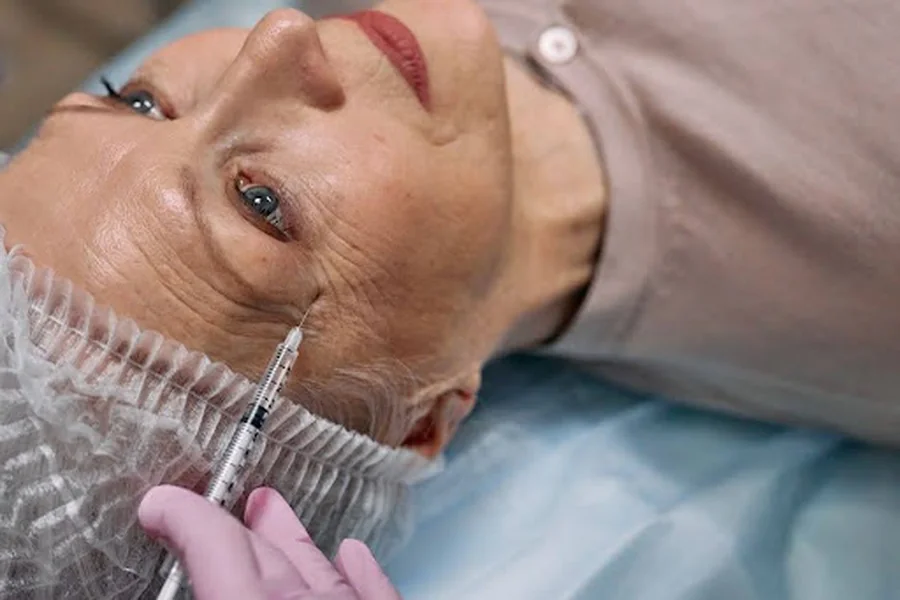
You’ve probably seen the promise everywhere: tighter skin, smoother texture, no surgery, and barely any downtime. It sounds ideal, especially if you want results without putting your life on pause. Non-surgical skin tightening has become a big part of aesthetic care because it fits real schedules and real concerns. Before you book anything, it helps to understand how these treatments work, who they suit, and what results you can reasonably expect.
The main technologies you’ll run into
The phrase “skin tightening” covers several different technologies, and they do not all work the same way. That matters when you’re comparing options or trying to figure out why one treatment costs more than another.
The most common categories include:
Radiofrequency, which heats deeper layers of skin
Ultrasound-based treatments, which target deeper tissue support structures
Laser treatments, which can address both texture and firmness depending on the device
Combination treatments that stack technologies for broader results
For residents of Del Mar XERF is a convenient skin-tightening solution that can help improve skin firmness and reduce mild laxity without surgery or extensive downtime.
That last phrase may sound a little clinical, but it matters. “Collagen remodeling” means your skin is doing actual structural work over time, not just getting a temporary surface-level glow.
What non-surgical skin tightening actually does
Non-surgical skin tightening treatments are built around one main idea: stimulating collagen. Collagen is the structural protein that helps your skin stay firm, springy, and smooth. As you age, your collagen production slows down, and skin starts looking looser or less defined.
Most tightening treatments use controlled heat or energy to trigger your skin’s repair response. That process encourages new collagen and, in some cases, elastin production. You won’t walk out looking like a different person, and that’s usually the point. The goal is gradual improvement that looks believable.
Common concerns these treatments target include:
Mild skin laxity on the face, neck, or jawline
Fine lines and crepey texture
Early sagging around the cheeks or under the chin
Loose skin after weight changes or aging
Think refinement, not a magic reset button.
Who tends to get the best results
These treatments usually work best when you have mild to moderate skin laxity. If your skin has started to feel less firm, but you’re not dealing with major sagging, you’re often in the sweet spot. Age matters less than skin condition, which is good news if you’re trying to be practical instead of dramatic.
You may be a strong candidate if:
Your jawline looks softer than it used to
Your neck has mild looseness
Your cheeks or lower face seem less lifted
You want improvement without surgery or long recovery
Results can be limited if you expect one session to mimic a facelift. That’s not a knock on the treatment. It’s just a reminder that energy-based procedures are best for gradual enhancement.
The less glamorous truth in aesthetics: the best outcomes often come from realistic expectations, not wishful scrolling.
What a treatment session usually feels like
A lot of people worry that “non-surgical” secretly means “still pretty miserable.” In many cases, it’s more manageable than expected. The exact experience depends on the device, treatment area, and your personal tolerance.
During a session, a provider typically passes a handheld device over your skin while delivering controlled energy into deeper layers. You might feel warmth, brief zaps, or a hot-stone-meets-science vibe. Not exactly spa nap material, but usually tolerable.
You may notice:
Mild redness right after treatment
Temporary swelling or tenderness
A warm feeling in the treated area
Little to no true downtime
Some people go back to work the same day. Others prefer to keep things low-key for 24 hours. Either way, this category of treatment tends to fit normal life better than more aggressive procedures.
How long results take and how long they last
This is where patience becomes part of the deal. Skin tightening results are rarely instant because collagen takes time to build. You might see a subtle early improvement from temporary tissue contraction, but the more meaningful changes usually show up over several weeks to a few months.
That timeline can frustrate people who want immediate payoff. Still, gradual improvement has one major advantage: you often look better without anyone clocking exactly what changed
Results depend on several factors:
The technology used
Your age and skin quality
How much laxity you have
Whether you complete a recommended series
Your long-term skincare and sun habits
Maintenance sessions are often part of the plan. Skin keeps aging, which is rude but consistent. A single treatment isn’t always the end of the story.
Questions worth asking before you commit
A smart consultation should feel specific, not salesy. If someone talks in vague superlatives and skips over limitations, take that as a warning sign. You want a provider who can explain the device, expected results, treatment plan, and any risks in plain language.
Ask questions like:
What technology are you using, and why?
Am I a good candidate for this treatment?
How many sessions do you recommend?
What kind of results are realistic for my skin?
What side effects should I expect?
Do you have before-and-after photos of similar cases?
Also ask whether another treatment might suit your goals better. Sometimes the best answer is not more heat, more passes, or more buzzwords. It’s a different approach entirely.
Real-world factors people forget to consider
The decision often comes down to more than clinical results. Budget, timing, lifestyle, and follow-through all affect whether a treatment feels worth it.
Here are a few practical points people overlook:
Multiple sessions can add up financially
Results may be subtle if your laxity is advanced
Sun exposure can work against your progress
Good skincare helps maintain improvements
Weight fluctuations can affect skin firmness later
It’s also worth considering your own motivation. If you’re doing this because every front-facing camera now feels personally offensive, fair enough. If you expect one treatment to erase years of stress, sleep loss, and sun exposure, the reality may feel underwhelming.
Aesthetic treatments work best when they’re part of a broader routine, not a rescue mission.