
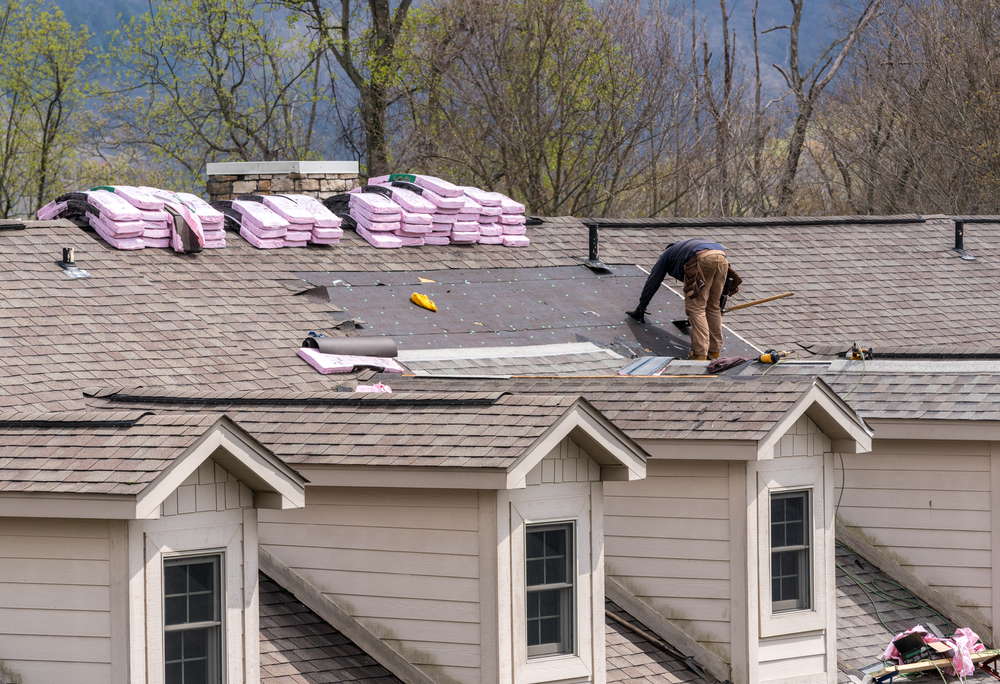
Most homeowners pay attention to what they can see from the ground. They notice missing shingles, stained flashing, or a dark patch that was not there last season. What often gets overlooked is the layer hidden beneath the outer roofing material. That layer, called the underlayment, is one of the main reasons a roof can continue protecting a home as the surface begins to age. For homeowners researching roof repair provo, understanding underlayment helps explain why some roofs hold up better over time than others.
A roof is not a single sheet of protection. It is a system made of visible materials and hidden layers that work together to keep water out and reduce long term wear. Shingles may take the direct hit from sun, rain, and wind, but underlayment plays a quieter role that becomes especially important when the outer surface starts to weaken. When that backup layer is in good condition, it can slow the spread of damage and buy valuable time before a minor issue turns into interior trouble.
What Underlayment Actually Does
Underlayment sits between the roof deck and the outer roofing material. Its job is to act as a secondary barrier against moisture. If wind pushes rain beneath shingles or if water gets past a vulnerable seam, underlayment helps keep that moisture from reaching the wood decking right away.
That function matters more than many homeowners realize. Roofing materials expand and contract with changing temperatures. Sealants dry out. Fasteners loosen. Flashing can shift. Even a well built roof will develop points of stress over the years. Underlayment helps bridge the gap between normal surface wear and serious structural damage.
It is also one of the few parts of the roof system that can quietly protect the house without showing obvious signs from the ground. A roof may look mostly intact while the underlayment is working hard beneath it. That is why visible appearance alone does not always tell the full story.
Why It Matters More as a Roof Ages
New roofing materials shed water efficiently when everything is sealed properly. As the roof gets older, that efficiency starts to change. Shingles can lose granules, edges can curl, and flashing points can become more vulnerable. These changes do not always create an immediate leak, but they do increase the chance that moisture will move past the outer layer.
This is where underlayment becomes especially important. It helps reduce the risk of water reaching the decking after small failures begin to develop above it. That does not mean it can solve every problem or last indefinitely. It means the roof has another line of defense while repair decisions are being made.
Without reliable underlayment, even a limited surface issue can escalate faster. Moisture that reaches the wood deck may lead to warping, staining, mold growth, or rot. Once that happens, repair work often becomes broader and more expensive.
The Kinds of Wear That Put Underlayment to the Test
Underlayment is exposed to pressure in ways homeowners rarely think about. Water is the obvious threat, but it is not the only one. Repeated temperature swings can stress the roof system over time. Wind can lift materials enough to let moisture travel where it should not. Ice buildup near the edge of the roof can slow drainage and force water to back up under the outer surface.
Heat also plays a role. Long periods of sun can dry out roofing materials and shorten the life of sealants. When the top layer becomes more brittle, small openings are more likely to form around joints and penetrations. Underlayment then becomes the layer standing between a manageable issue and ongoing hidden deterioration.
Ventilation affects this process too. A poorly ventilated attic can trap heat and moisture, placing extra strain on the entire roofing assembly. When that happens, the roof may age from above and below at the same time.
Signs the Backup Layer May Be Part of the Problem
Homeowners do not usually see underlayment directly unless roofing materials are removed during an inspection or repair. Still, there are warning signs that suggest the protective layers beneath the surface may be under stress.
Water stains on ceilings or along upper walls are one sign. Damp attic insulation is another. Outside the home, recurring trouble at roof valleys, vent penetrations, and flashing transitions may indicate moisture moving beneath the visible roofing material. Granules in gutters, lifted shingle edges, and repeated leaks in the same area can also suggest that the roof is no longer stopping water at the top layer alone.
When these issues show up, the goal should not be to guess which single component failed. The better approach is to inspect the system as a whole. A repair that addresses only the surface may not last if the materials beneath it have already been compromised.
Why Proper Repair Depends on What Is Underneath
One of the biggest mistakes in roofing is focusing only on what looks damaged from the outside. A few missing shingles may seem like a simple patch job, but the roof’s true condition depends on what happened beneath after those shingles failed. If the decking is still solid and the underlayment remains intact, a targeted repair may be enough. If moisture has already broken down multiple layers, a larger fix may be necessary.
This is one reason roof repair provo should never be treated as a surface only decision. The visible problem may be small, but the long term outcome depends on whether the backup protection is still doing its job. Good repair work is not just about replacing what blew off or cracked. It is about restoring the roof’s ability to manage water across every layer that matters.
Why This Hidden Layer Deserves More Attention
Underlayment does not get much credit because no one installs a roof to admire what sits underneath it. Still, it is one of the most important parts of long term protection. It helps slow damage, protect the decking, and support the roof as the outer material begins to show signs of age.
That makes underlayment a practical focus for homeowners who want to think beyond quick fixes. A roof lasts longer when repairs are based on the whole system rather than the most obvious symptom. Paying attention to what is happening beneath the shingles can help prevent repeated leaks, reduce hidden damage, and support smarter decisions about maintenance and repair.