
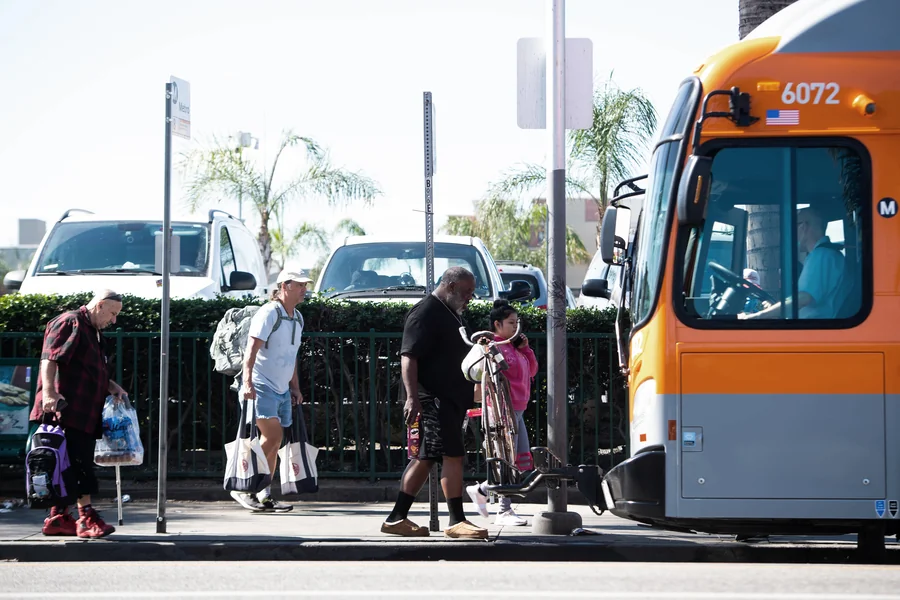
The bus stops hard on Wilshire. Your shoulder hits a metal pole, and the driver calls out to ask if everyone is okay. You nod, because that is what people do. If you ever need legal assistance for a bus accident in Los Angeles, that small nod is often the moment a good claim starts to slip away.
Here is the part most riders get wrong. They believe they have two years to act after a crash. It is the rule they hear from friends and TV ads. For people hurt on a public bus, it is the wrong clock.
The Real Deadline Is Six Months, Not Two Years
In Los Angeles, Metro buses, LADOT DASH shuttles, and most school buses are run by public agencies. Before you can sue a public agency in California, you have to file a written claim with it first.
“A claim relating to a cause of action for death or for injury to person or to personal property or growing crops shall be presented … not later than six months after the accrual of the cause of action.”
California Government Code Section 911.2
Six months goes by fast between doctor visits and missed work. So the whole plan below is built on one simple idea. Move fast on the claim, and then take your time on everything else.
Step 1. Find Out Who Owns the Bus
This one question decides which rules apply to you. A city or county bus falls under the six month claim rule. Private buses, such as Greyhound, tour buses, airport shuttles, and charters, usually fall under the general two year limit.
Sometimes both are involved. If a private driver runs a red light and hits your Metro bus, you may have claims against the driver and the agency. Check the side of the bus or your ticket to see who runs it. If you are not sure, treat it as a public bus and act quickly. Being early never hurts you. Being late can end your case.
Step 2. See a Doctor Within a Day or Two
Many bus injuries do not hurt right away. Your body floods with adrenaline after a crash, and that can hide pain for hours. Neck strain, back injuries, and even mild brain injuries often show up the next morning.
Getting checked quickly does two things. It protects your health and creates a record tying your injury to the crash date. Wait three weeks, and the insurer may say something else caused the pain. Tell the doctor you were on a bus and describe how your body moved when it stopped.
Step 3. Save Proof Before It Disappears
Evidence from a bus crash does not last long. Riders scatter, and the bus heads back out into Los Angeles traffic. Many buses have onboard cameras, but that footage may only be kept for a limited time. Collect what you can now.
- The bus number, route number, direction, and the exact time of the crash
- Photos of the scene, the inside of the bus, and any injuries you can see
- Names and phone numbers of other riders who saw what happened
- Your TAP card record, ticket, or app receipt showing you were on board
- A short written note of what you remember, made the same day
A lawyer can also send a written request asking the agency to keep its camera footage and driver records.
Step 4. Use the Higher Standard Bus Companies Must Meet
In California, a bus that carries paying passengers is held to a much higher standard than a regular driver on the road.
“A carrier of persons for reward must use the utmost care and diligence for their safe carriage, must provide everything necessary for that purpose, and must exercise to that end a reasonable degree of skill.”
California Civil Code Section 2100
“Utmost care” is a strong language. It means a driver who pulls away before an older rider sits down may be at fault. So may a driver who slams the brakes for no clear reason or closes the doors on someone stepping off. A fall you blamed on bad luck may really be the carrier’s fault.
Step 5. Watch What You Say After the Crash
You may get calls from a Los Angeles transit claims office or an insurance adjuster. They often sound friendly and ask for a recorded statement. You do not have to give one right away. Short, casual answers like “I’m fine” or “I think I slipped” can be used later to lower what your claim is worth.
Social media is another trap. A photo of you smiling at a birthday party two weeks after the crash can be twisted to suggest you were never hurt. Stay quiet online until your claim is settled.
Step 6. File the Claim the Right Way and Track the Next Deadline
Each public agency has its own claim form, and the details matter. The claim should list the date, time, place, what happened, your injuries, and the amount of money you are asking for. Keep proof of when you delivered it.
After that, the agency has time to respond. If it rejects your claim in writing, a new clock starts. You then generally have six months from that notice to file a lawsuit in court. If you already missed the first six month window, California lets you ask for permission to file a late claim within one year. Approval is not guaranteed, though, so do not count on it.
This is where many strong cases fall apart, usually over a missed date or a form sent to the wrong office. Across Los Angeles County, several public agencies run buses, so knowing exactly where your claim belongs is half the battle.
The Bottom Line for Bus Riders in Los Angeles
Buses carry many Los Angeles commuters every day, and nearly all of those trips end safely. When one does not, the rules are not the same ones you use after a normal car crash. The deadline is shorter, the paperwork is stricter, and the bus company must meet a higher level of care.
Your plan is simple. Figure out who owns the bus, see a doctor, save your proof, and file your claim early. If the steps feel like too much while you are healing, talking with a local lawyer who handles bus cases in Los Angeles can take that weight off your shoulders. Most offer a free first meeting, so you can get clear answers before the six month clock runs out.