
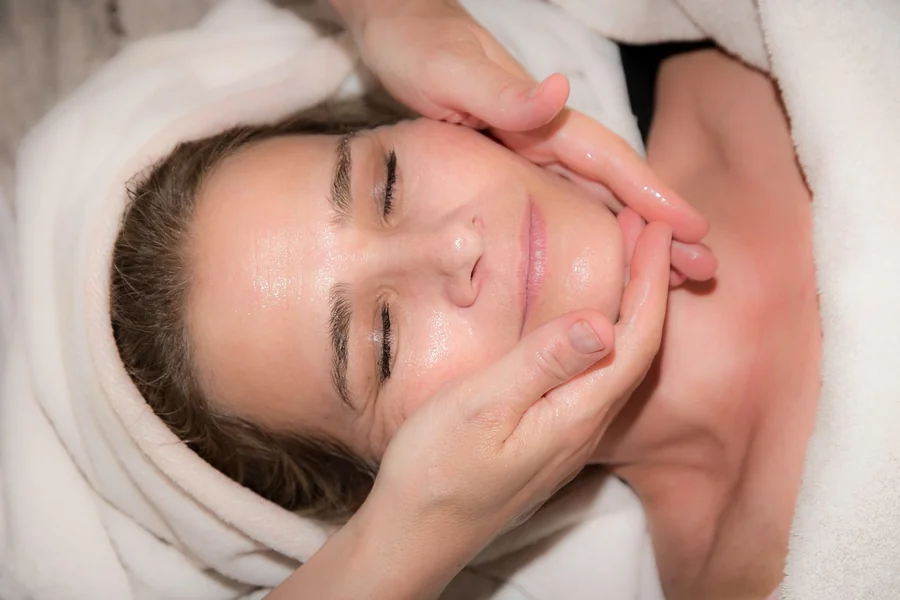
High-Intensity Focused Ultrasound (HIFU) has emerged as a leading non-invasive technology for facial rejuvenation and body contouring. Its growing popularity stems from its ability to deliver aesthetic improvements without surgical intervention, offering patients effective outcomes with minimal downtime. HIFU leverages focused ultrasound waves to generate controlled thermal effects at specific depths, stimulating collagen production and remodeling tissue while preserving surrounding structures. This method provides a versatile approach for both therapeutic and cosmetic applications.
Originally developed in the 1950s for gynecological treatments, HIFU has expanded into oncology and dermatology, treating conditions such as prostate cancer and uterine fibroids, and prompting interest in How Does HIFU Face Lift Work – Process and Technology as aesthetic applications continue to evolve. Recent adaptations in aesthetic medicine utilize the technology to tighten skin, smooth wrinkles, and reshape body contours. Ongoing research continues to refine its precision, safety, and effectiveness, positioning HIFU as an innovative tool in modern medical and cosmetic practices.
HIFU Technology Explained
Principle and Mechanism
HIFU employs ultrasound waves concentrated into precise points beneath the skin’s surface. The energy generates localized heat, inducing controlled tissue contraction and collagen stimulation. This process supports skin tightening, wrinkle reduction, and fat cell disruption without the need for incisions or anesthesia. Unlike conventional surgical techniques, HIFU offers visible results without the risks associated with invasive procedures.
Evolution of HIFU
The concept of using focused ultrasound for medical purposes dates back to experiments in the 1940s. Early developments aimed at tissue ablation evolved over the decades into clinical applications for tumors and benign conditions. By the early 2000s, HIFU had been successfully integrated into medical practice, demonstrating reliable results for both therapeutic and cosmetic treatments. Its adaptability and precision have contributed to growing demand among patients seeking non-invasive options.
HIFU for Facial Rejuvenation
Application in Non-Surgical Facelifts
HIFU treatments for the face deliver ultrasound energy to the deep layers of skin and subcutaneous tissue. The controlled thermal effect triggers collagen remodeling, which lifts and tightens sagging skin. Wrinkles and fine lines appear diminished over time, creating a refreshed and youthful appearance without invasive surgery.
Procedure Overview
During a session, targeted areas of the face receive focused ultrasound energy. Treatments are typically comfortable, with mild tingling or warmth noted during the procedure. Sessions can last between 30 to 90 minutes, depending on the area treated. Patients can resume normal activities shortly afterward, avoiding extended recovery periods associated with traditional facelifts.
Advantages over Surgical Methods
Compared with conventional facelifts, HIFU offers several benefits. There is no need for anesthesia, incisions, or sutures, which reduces the risk of infection and complications. Recovery is brief, and the results develop naturally as collagen regeneration progresses. Patients experience subtle but noticeable improvements that maintain facial harmony.
Potential Side Effects
Temporary redness, swelling, or mild tenderness may occur after a session. Bruising or skin sensitivity is rare but possible. Following professional guidance for post-treatment care can help maintain comfort and achieve optimal results.
Patient Experiences
Testimonials and Transformations
Individuals who have undergone HIFU procedures frequently report satisfaction with both facial and body treatments. Many note noticeable skin tightening, smoother facial contours, and improved confidence in their appearance. Positive experiences often stem from the combination of minimal discomfort, short recovery periods, and gradual yet natural-looking improvements.
Visual Evidence
Before-and-after imagery highlights the changes achieved through HIFU. Patients typically observe lifted skin, diminished wrinkles, and improved body contouring results over several weeks, reflecting the progressive effect of collagen stimulation and tissue remodeling.
HIFU for Body Contouring
Targeted Fat Reduction
HIFU has become an effective tool for body contouring. Ultrasound waves reach subcutaneous fat layers, disrupting fat cells while leaving surrounding tissues unaffected. Over time, the body naturally metabolizes these cells, resulting in a slimmer and more defined silhouette without surgical intervention.
Comparison with Other Techniques
Compared with cryolipolysis or radiofrequency treatments, HIFU offers precise targeting of both fat and skin tissue. The procedure can tighten the overlying skin while addressing localized fat deposits, providing a dual benefit not always achieved with other modalities.
Benefits and Limitations
Patients seeking body shaping often appreciate HIFU’s non-invasive nature, minimal downtime, and gradual yet observable results. Side effects may include temporary redness, swelling, or slight tenderness at the treated area. Rarely, skin irregularities or mild discomfort may occur, but these generally resolve quickly. Consulting a qualified practitioner can help align treatment expectations with realistic outcomes.

Advancements and the Future of HIFU
Research and Development
Ongoing studies aim to enhance the precision, safety, and effectiveness of HIFU. Innovations in transducer design, energy delivery, and imaging guidance have expanded the range of treatable areas, increased comfort during sessions, and improved long-term results.
Emerging Applications
Potential future applications extend beyond cosmetic use. HIFU shows promise for targeted treatments in oncology, chronic pain management, and other medical conditions. Continuous innovation may further refine the procedure, making it an increasingly versatile tool in both medical and aesthetic practice.
Conclusion
HIFU technology provides a sophisticated, non-invasive solution for facial rejuvenation and body contouring. By delivering focused ultrasound energy, it stimulates collagen, tightens skin, and reduces localized fat without the risks or recovery associated with surgery. Patients benefit from a natural appearance, gradual results, and minimal downtime.
The procedure’s adaptability to multiple areas of the body and its growing clinical evidence support its expanding role in modern aesthetic and medical practices. Those seeking non-surgical skin lifting, wrinkle reduction, or body contouring have a safe and effective option in HIFU. With ongoing research and technological advancements, its applications are expected to broaden, offering patients innovative solutions for enhanced appearance and confidence.