
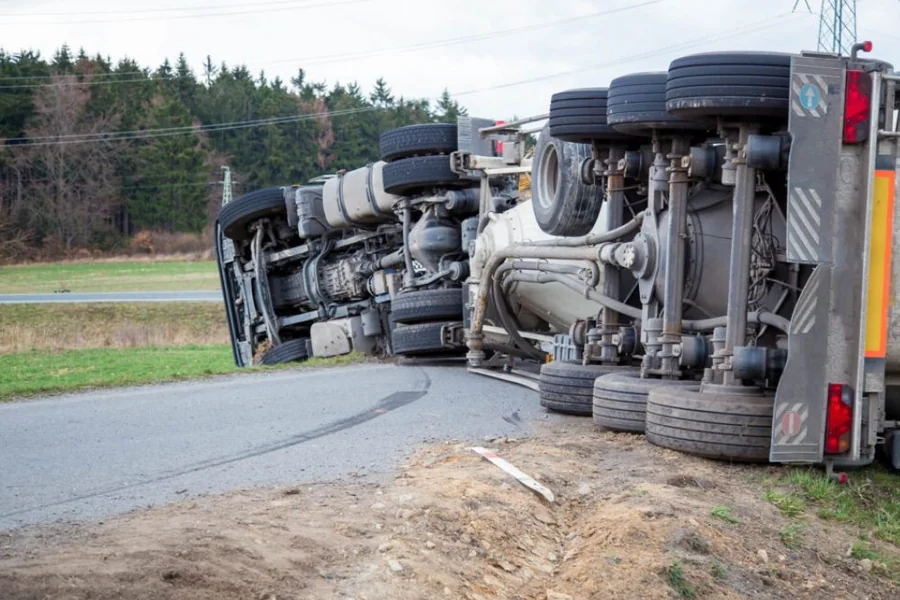
Commercial truck accidents are among the most serious collisions on Indiana roads. Unlike a typical passenger vehicle crash, these cases often involve catastrophic injuries, multiple insurance policies, federal transportation regulations, and evidence that requires prompt preservation. Because of these added layers of complexity, many people seek guidance from a truck injury attorney in Indianapolis when trying to understand their legal options after a collision involving a semi-truck or other commercial vehicle.
Indianapolis serves as one of the Midwest’s busiest transportation hubs. Interstates 65, 69, 70, 74, and 465 carry thousands of commercial trucks every day as goods move across Indiana and throughout the country. While freight transportation is essential to the state’s economy, the constant flow of large trucks also increases the likelihood of serious crashes. Understanding how these claims differ from ordinary car accident cases helps explain why they often require a more detailed investigation.
The Size of Commercial Trucks Changes Everything
The most obvious difference between a commercial truck and a passenger vehicle is size. Federal law generally allows a fully loaded tractor-trailer to weigh up to 80,000 pounds, while most passenger vehicles weigh only a small fraction of that amount. When vehicles with such different weights collide, the occupants of the smaller vehicle usually face a much greater risk of serious injury.
Truck accident victims commonly suffer traumatic brain injuries, spinal cord injuries, multiple fractures, internal organ damage, severe burns, and other life-changing conditions. Many of these injuries require surgery, lengthy rehabilitation, ongoing medical care, and months or even years away from work. In some situations, permanent disabilities prevent victims from returning to the careers they held before the crash.
Because these injuries often create lifelong financial consequences, commercial truck accident claims frequently involve more extensive medical evaluations and economic analyses than ordinary vehicle collisions.
Truck Accident Investigations Extend Beyond the Police Report
A police report provides an important starting point, but it rarely contains every fact needed to understand how a commercial truck crash occurred. Unlike most passenger vehicle accidents, truck collisions often require investigators to review large amounts of technical and company-generated evidence.
Electronic Logging Device records may show how long the driver had been operating the truck before the collision. Event data recorders, often called black boxes, can provide information about speed, braking, and other vehicle activity immediately before impact. Maintenance records, inspection reports, driver qualification files, dispatch communications, cargo loading documents, and GPS information may also help explain whether safety procedures were followed.
Some of these records are retained only for limited periods under applicable regulations or company policies. As a result, early investigation can play an important role in preserving information that may later become relevant during a personal injury claim.
Federal Safety Regulations Add Another Layer of Complexity
Commercial trucking companies operate under rules established by the Federal Motor Carrier Safety Administration (FMCSA). These regulations govern nearly every aspect of commercial transportation, including driver qualifications, hours of service, vehicle inspections, maintenance requirements, drug and alcohol testing, and cargo securement.
When investigators identify violations of these safety standards, those findings may become important evidence in determining whether negligence contributed to a crash. A driver who exceeded allowable driving hours, a company that postponed required maintenance, or improperly secured cargo may all become significant factors during an investigation.
Unlike many passenger vehicle collisions, truck accident cases often require careful review of both state law and federal transportation regulations before liability can be fully evaluated.
Responsibility May Extend Beyond the Driver
Many people assume the truck driver is the only person responsible after a commercial vehicle collision. In reality, responsibility may extend to several individuals or businesses depending on the facts surrounding the crash.
The trucking company may have failed to maintain its fleet or properly supervise its drivers. A maintenance contractor could have overlooked mechanical problems during inspections. Cargo loading companies may have improperly distributed weight or failed to secure freight correctly. In some cases, defective brakes, tires, steering systems, or other vehicle components may raise product liability issues involving manufacturers.
Determining whether multiple parties contributed to the collision often requires reviewing contracts, maintenance histories, inspection records, company safety policies, and vehicle repair documentation. Identifying every potentially responsible party is an important part of evaluating available insurance coverage and legal responsibility.
Evidence Often Becomes More Difficult to Obtain Over Time
Commercial truck accident investigations depend heavily on evidence that can become harder to obtain as weeks and months pass. Electronic data may eventually be overwritten, surveillance footage from nearby businesses may be deleted through routine recording cycles, and witnesses may become less certain about the details they remember.
Physical evidence can also change. Vehicles are repaired, damaged components are replaced, roadway markings disappear, and weather conditions change. Investigators often review photographs taken immediately after the collision along with traffic signal timing, skid marks, weather reports, and roadway design to better understand how the crash occurred.
Preserving available evidence as early as possible helps create a more complete picture of the events leading to the collision.
Evaluating the Full Financial Impact
The financial consequences of a commercial truck accident frequently extend well beyond emergency medical treatment. Serious injuries can require future surgeries, rehabilitation, long-term therapy, prescription medications, assistive equipment, and home modifications. Lost wages may continue for months, while permanent disabilities can reduce earning capacity for years or even decades.
Personal injury claims often consider current medical expenses, anticipated future treatment, lost income, diminished earning potential, property damage, pain and suffering, and other losses supported by medical and financial evidence. In catastrophic injury cases, medical experts, economists, vocational specialists, and accident reconstruction professionals may all contribute to determining the long-term impact of the collision.
Every claim depends on its own facts, making a careful evaluation of both liability and damages an essential part of the legal process.
Indiana Law Establishes Important Deadlines
Under the Indiana Code, most personal injury lawsuits arising from motor vehicle accidents must generally be filed within two years of the date of the collision, although certain exceptions may apply.
Medical records must be collected, experts may need to inspect vehicles, electronic evidence must be analyzed, and witness interviews often take place early in the investigation. Certain claims involving government entities may also be subject to shorter notice requirements under Indiana law.
Understanding these deadlines helps ensure that evidence remains available while allowing sufficient time to evaluate every aspect of the case.
Indianapolis Remains a Major Freight Corridor
Indianapolis plays an important role in regional and national freight transportation. The city’s network of interstate highways connects distribution centers, warehouses, manufacturers, and businesses throughout Indiana and neighboring states. Heavy commercial traffic is a daily reality on Interstate 465, Interstate 70, Interstate 65, and other major routes entering and leaving the city.
This constant movement of commercial vehicles contributes to economic growth but also increases the potential for collisions involving large trucks. Congested traffic, construction zones, merging vehicles, changing weather conditions, and long-distance freight operations all create circumstances that can complicate accident investigations.
Why Commercial Truck Cases Stand Apart
Commercial truck accident claims differ from ordinary automobile collisions in nearly every respect. Federal transportation regulations, electronic vehicle data, extensive maintenance records, multiple potentially responsible parties, and catastrophic injuries all contribute to their complexity. A thorough investigation often requires reviewing information that simply does not exist in most passenger vehicle accidents.
Understanding these differences helps explain why commercial truck cases require a broader examination of both the evidence and the applicable law. By carefully evaluating company records, vehicle data, medical documentation, and accident evidence, investigators can develop a clearer understanding of how a collision occurred and whether negligence contributed to the injuries sustained. That detailed approach provides the strongest foundation for evaluating liability and potential compensation under Indiana law.