
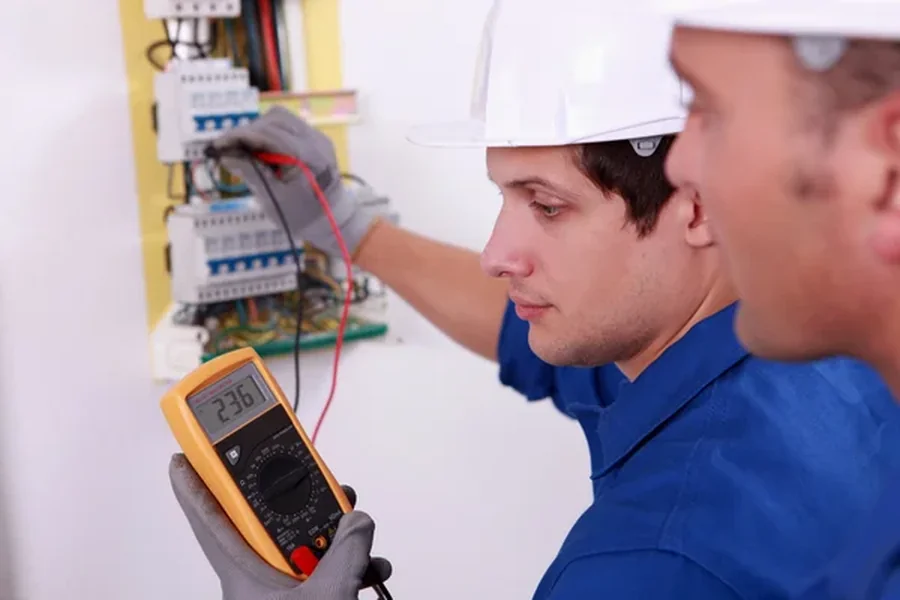
In an era where electrical systems are integral to every aspect of daily life, understanding the intricacies of electrical wiring is more crucial than ever. Quality Safe offers the electrical wiring installation course in Singapore that caters to the growing need for well-trained professionals in this essential field. With the rise in demand for skilled electrical technicians, these courses play a pivotal role in ensuring safe, efficient, and reliable electrical installations.
Understanding Electrical Wiring Installation
Electrical wiring installation refers to the process of designing and installing electrical systems in buildings and machinery to ensure safe and efficient power distribution. It requires strict adherence to safety standards and regulations to minimise risks such as electrical fires, shocks, and equipment failure. Professionals in this field must have a strong grasp of electrical principles, the ability to read and interpret wiring diagrams and schematics, and the technical skills to use appropriate tools and materials correctly. A well-executed installation ensures reliability, functionality, and long-term safety of the entire electrical system.
Legal and Safety Standards
Courses focused on electrical wiring installation place strong emphasis on legal requirements and safety standards to ensure safe and compliant practice. Because electrical systems can pose serious risks, strict adherence to electrical codes is essential and non-negotiable. Participants are trained to understand and apply local regulations that govern the installation, inspection, and maintenance of electrical systems. These rules are designed to reduce hazards such as electrical shocks, fires, and equipment failures. By following established legal frameworks and safety protocols, electricians help protect both human life and property while maintaining the reliability and integrity of electrical installations.
Curriculum Structure
The structure of electrical wiring installation courses is designed to provide a balanced mix of theoretical knowledge and practical application. Topics typically covered include electrical concepts, types of conductors and cables, circuit construction, and testing and maintenance of electrical installations. Courses also introduce students to various tools and equipment essential for executing wiring tasks effectively.
Theoretical Components
The theoretical aspect provides students with a solid foundation in basic electrical principles. This includes an understanding of voltage, current, resistance, and how these elements interact in an electrical circuit. Participants are also introduced to more complex topics such as power distribution systems, which cover the routing of electricity from power plants to end-users.
Practical Training
Practical training is a critical component of wiring installation courses. Instructors guide students through hands-on exercises that simulate real-world scenarios. These may include installing wiring systems in mock residential and commercial settings, diagnosing issues, and practising repairs. The goal is to achieve a level of competency where students can perform installations independently and safely.
The Role of Technology
Technology has transformed how electrical training is delivered. Many institutions incorporate computer-based simulations and virtual reality to enhance learning. These tools allow students to engage with complex systems in a controlled environment, making it easier to understand abstract concepts. The use of technology also prepares students for the digitalisation of the electrical industry, where smart grids and automated systems are becoming the norm.
Career Opportunities
Completing an electrical wiring installation course opens a variety of career paths. Graduates can pursue roles such as electrical technicians, installation specialists, or maintenance electricians. These positions are often available in sectors ranging from construction to manufacturing, highlighting the versatility and demand for skills acquired during the course.
Maintenance and Troubleshooting Skills
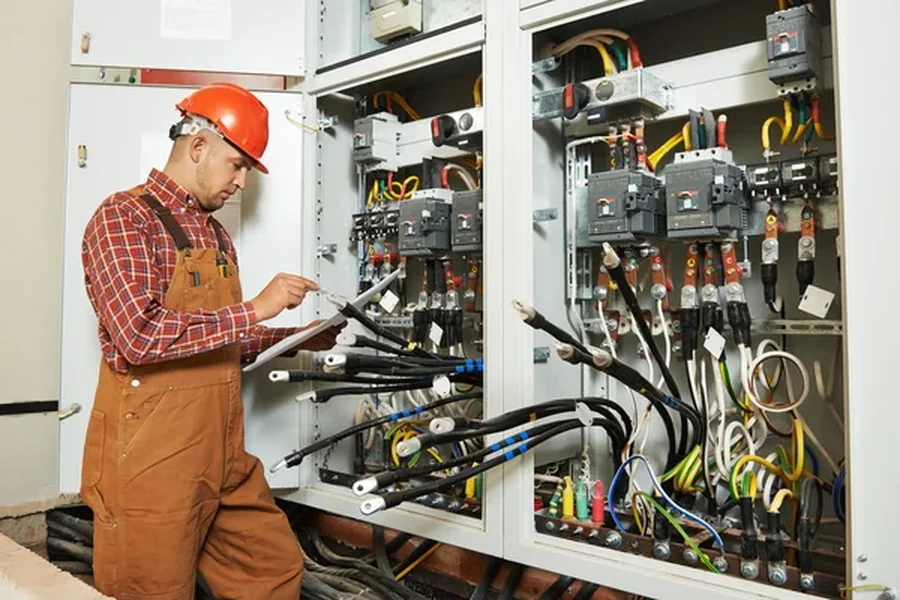
A significant portion of any electrical wiring installation course is dedicated to maintenance and troubleshooting. Professionals must be able to identify and resolve electrical faults efficiently to prevent costly downtimes in both residential and industrial settings. This aspect of the course trains participants to conduct regular maintenance checks and equips them with problem-solving skills crucial for timely interventions.
Certification and Continued Learning
Upon completion, students receive certification, which is a testament to their competency and understanding of electrical wiring systems. Certification is not only a professional requirement; it is a mark of credibility that reassures employers and clients of a technician’s capability. Many institutions also offer pathways for continued learning, ensuring that professionals can keep up with advancements in the field.
Conclusion
In conclusion, electrical wiring installation courses provide a well-rounded foundation that blends essential theory with hands-on practice, equipping learners with the skills needed for real-world applications. These programmes not only build technical competence but also emphasise safety standards and industry best practices, which are crucial in modern electrical work. As technology advances and electrical systems become more complex, training curricula continue to adapt, ensuring that aspiring professionals remain relevant and capable. Ultimately, these courses serve as a vital stepping stone for individuals seeking to build a successful and sustainable career in the ever-evolving electrical industry.