

The advent of digital audio conversion has revolutionised the way we perceive sound, and the LAiV Audio R2R Ladder DAC embodies the epitome of this transformation. A digital-to-analogue converter, or DAC, is pivotal in translating digital audio signals into audible sound, serving as the linchpin for music lovers seeking to experience audio as it was intended by creators. The LAiV Audio R2R Ladder DAC is often highlighted for its precision and ability to deliver a more natural and detailed listening experience.
The R2R Ladder DAC, an engineering marvel rooted in traditional technology, continues to enchant audiophiles with its distinct approach to delivering sound.
Understanding the R2R Ladder DAC
At its core, the R2R (Resistor-to-Resistor) Ladder DAC employs a series of precision resistors to produce an analogue output. Unlike delta-sigma DACs, which dominate the modern audio landscape, the R2R Ladder employs a more straightforward architecture. This simplicity is its strength, allowing for an unadulterated sound reproduction by precisely matching the binary digital signal to its corresponding analogue voltage.
An R2R Ladder DAC operates by splitting the digital sample into bits, each controlling a switch connected to layers of resistors. These resistors are aligned in a ladder-like configuration, with the digital bits toggling respective switches to create an analogue voltage output, which becomes the sound you hear.
This structure allows for exceptionally linear sound and the capability to render low-level details with outstanding clarity.
Why Choose an R2R Ladder DAC?
The allure of an R2R DAC lies in its inherently analogue-like sound. Many audiophiles argue that it captures the warmth and depth more akin to what one might experience with vinyl or high-quality analogue tapes. This results from the R2R DAC’s ability to directly translate each digital bit into an analogue waveform without the complex processing algorithms inherent in other DAC types.
Moreover, an R2R DAC’s sonic character is often described as more ‘natural-feeling’. This quality is attributed to its compensatory ability to soften the harshness that can sometimes be present in digital audio, particularly at higher sample rates. Due to these attributes, listeners often prefer an R2R DAC when pursuing a more authentic and expressive audio experience.
Technical Advantages and Challenges
The key advantage of an R2R DAC lies in its simplicity and low-noise floor, which contribute to the pure and detailed sound output. Reducing the digital processing generally associated with modern DACs minimises artefacts that can detract from audio quality.
This approach also provides stronger stereo imaging and precise temporal accuracy, critical components of high-fidelity sound reproduction.
However, achieving perfection with an R2R Ladder DAC is not without challenges. One must ensure the use of match-grade resistors with minimal tolerance variations to maintain linearity and dynamic range. Inaccuracies in resistor values can lead to glitches in the output waveform, compromising the DAC’s sound integrity.
R2R DACs in Audiophile Systems
R2R Ladder DACs have become a staple in high-end audiophile systems. Their ability to render music with rich harmonics, impeccable resolution, and a convincing sound stage makes them popular among those who seek dynamic listening sessions.
Positioned in meticulously engineered sound environments, these DACs can highlight intricate details within music pieces that might otherwise go unnoticed.
While they are not as prevalent as their delta-sigma counterparts, the charm of an R2R DAC often lies in its exclusivity. Renowned audio manufacturers meticulously design R2R DACs with attention to material quality, circuit design, and signal path integrity to offer a product that stands out in performance and reliability.
Innovative Designs and Hybrid Solutions
In recent years, innovative companies have experimented with hybrid designs, blending R2R ladder architecture with modern signal processing techniques. This has led to a new wave of DAC technology aiming to capture the best of both worlds – the natural sound of an R2R DAC and the impeccable precision and versatility of digitally sampled processing.
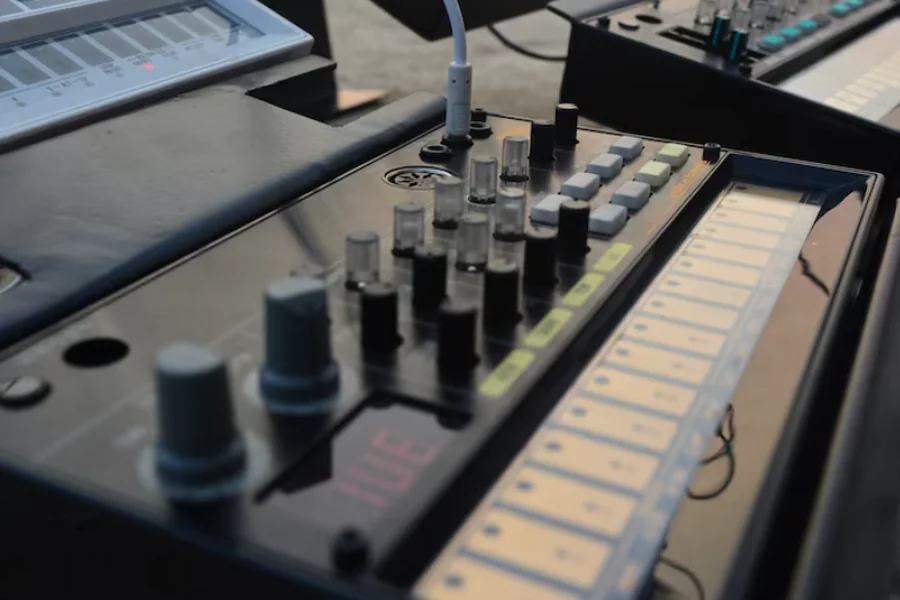
Such advancements illustrate the DAC’s evolution, adapting to the ongoing demands of audiophiles and the integration of digital streaming technologies. As audio content increasingly shifts to high-resolution formats, the appetite for high-performance DAC solutions like the R2R Ladder continues to grow.
Conclusion: The Timeless Appeal of R2R Ladder DACs
The R2R Ladder DAC exemplifies the enduring appeal of precision-crafted technology in an increasingly digital world. Its ability to reproduce music in a natural, authentic manner resonates with listeners who value audio quality and authenticity.
The ongoing innovations and steadfast commitment to design excellence among manufacturers ensure that the R2R Ladder DAC retains its place at the forefront of high-fidelity audio solutions.
With advances in audio technology moving swiftly forward, the R2R Ladder DAC remains poised as a benchmark in quality and innovation. As digital trends blur the lines between analogue warmth and digital convenience, these devices stand as a testament to the power of engineered simplicity, ensuring a listening experience that embraces both clarity and character.
For more details on what makes an R2R DAC stand out in high-fidelity audio solutions, consider exploring options like the Waversa Systems DAC.
This innovative piece notably incorporates an advanced processing method with a classic R2R design, appealing to both traditional audiophiles and modern tech enthusiasts alike. Its hybrid approach exemplifies how the intersection of old and new technologies sets a new standard in digital-to-analogue conversion.