

Choosing the right environment for an infant is one of the most important decisions a parent can make. It involves trust, understanding, and careful evaluation of how a care setting supports a child’s early development. In today’s world, where many families rely on structured childcare due to work commitments, high-quality infant care services play an essential role in supporting both children and parents.
Among such services, KiddiWinkie infant care services are often recognised for providing a nurturing and development-focused environment designed to meet the unique needs of infants during their earliest stages of growth.
Understanding Infant Care Services
Infant care services are structured programmes designed to support children during their earliest developmental years. These services go beyond basic supervision, focusing instead on holistic development that includes physical, emotional, cognitive, and social growth.
At this stage of life, infants are highly receptive to their surroundings, and every interaction contributes to their development. Quality infant care services, therefore, aim to provide a safe and stimulating environment where children can grow with confidence while receiving consistent care and attention.
Key Features of Quality Care
A high-standard infant care environment is built upon several foundational principles that ensure the safety, well-being, and development of every child. These elements work together to create a secure and supportive space for early learning.
Safety and Security Standards
Safety is the most critical aspect of any infant care service. Facilities must be designed to eliminate hazards and ensure constant supervision. This includes childproofed spaces, safe sleep arrangements, and carefully monitored play areas.
Strict adherence to safety protocols helps reduce risks and provides parents with peace of mind, knowing their child is in a secure environment.
Qualified and Trained Staff
The quality of caregivers directly influences the quality of care provided. Staff working in infant care settings must be properly trained in early childhood development, safety procedures, and responsive caregiving techniques.
Beyond qualifications, emotional sensitivity and genuine care for children are equally important. Caregivers who are patient, attentive, and nurturing contribute significantly to a child’s emotional stability and overall development. Continuous training ensures that staff remain updated on best practices in early childhood care.
A Stimulating Environment
Infants learn primarily through exploration and sensory experiences. A well-designed care environment encourages curiosity and discovery through age-appropriate activities and materials.
This may include soft play areas, sensory toys, music exposure, and interactive experiences that support motor skill development. A balanced caregiver-to-child ratio is also essential, as it ensures that each infant receives adequate attention and support during exploration and play.
Individualised Attention
Every infant develops at their own pace, and recognising this individuality is a key part of quality care. Personalised attention allows caregivers to respond to each child’s unique needs, temperament, and developmental stage.
This tailored approach helps build trust and emotional security, while also encouraging confidence as infants achieve new milestones. Individual care ensures that no child is overlooked and that development is supported in a meaningful way.
Importance of Parental Collaboration
A strong partnership between parents and caregivers is essential for effective infant care. Open communication ensures that both parties are aligned in supporting the child’s development and well-being.
Regular updates, progress discussions, and feedback channels help build trust and transparency. When parents and caregivers work together, the child benefits from a consistent and supportive environment both at home and in care settings.
Health and Nutrition
Proper nutrition and health practices are fundamental to infant development. Quality care services provide balanced feeding routines that meet the nutritional needs of growing infants while also accommodating allergies or dietary restrictions when necessary.
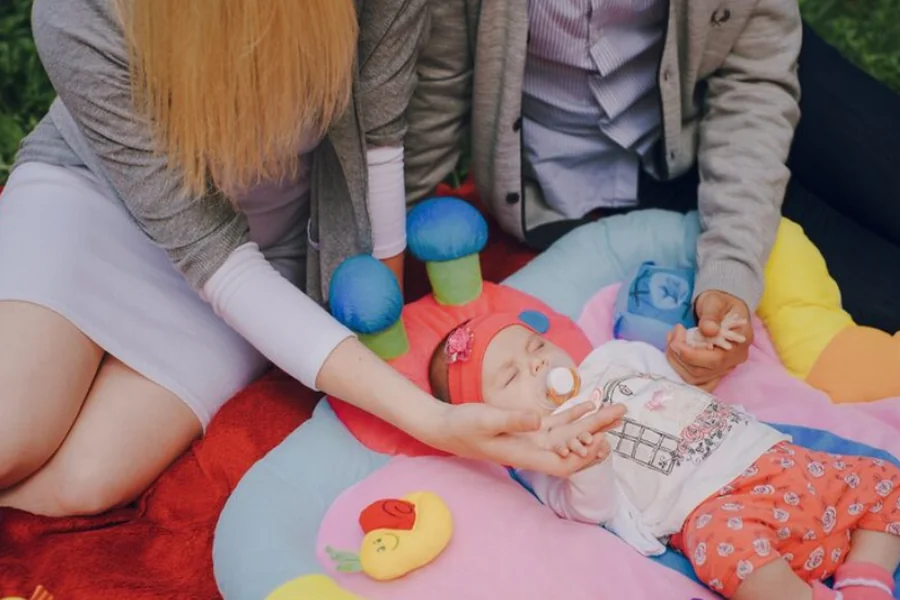
Equally important are hygiene and sanitation practices. Regular handwashing, clean facilities, and proper food handling procedures help prevent illness and maintain a healthy environment for all children.
Emotional and Social Development
Infant care is not limited to physical well-being; emotional and social development are equally important. Through gentle interaction, shared activities, and responsive caregiving, infants begin to develop trust, emotional awareness, and early social skills.
These early experiences form the foundation for future relationships and emotional resilience. Positive interactions with caregivers and peers help children feel secure and supported as they grow.
Integration of Technology
Modern infant care services are increasingly incorporating technology to enhance communication and monitoring. Digital tools can be used to track developmental milestones, share updates with parents, and support learning activities.
While technology should never replace human interaction, its thoughtful use can improve efficiency and transparency in care settings. When balanced correctly, it becomes a helpful support tool rather than a replacement for hands-on caregiving.
Commitment to Continuous Improvement
High-quality infant care services are committed to ongoing development and improvement. Regular evaluations, staff training, and feedback from parents help ensure that care standards remain consistently high.
This commitment to progress reflects a dedication to providing the best possible environment for children. By staying updated with evolving childcare practices, facilities can continue to meet the changing needs of families.
The Role of Community in Infant Care
Infant care does not exist in isolation. Strong connections with the wider community contribute to a richer and more supportive environment for children and families.
Collaboration with healthcare professionals, educational institutions, and community organisations helps enhance the overall care experience. These partnerships provide additional resources and support systems that benefit both children and parents.
A Holistic Approach to Development
The most effective infant care services take a holistic approach to development, recognising that children grow through interconnected physical, emotional, social, and cognitive experiences.
Rather than focusing on one area alone, quality care integrates all aspects of development to create a balanced foundation for lifelong learning. This approach ensures that infants are supported in every stage of their early journey.
Conclusion: Building Strong Foundations for the Future
Quality infant care services play a vital role in shaping a child’s earliest experiences and development. Through safe environments, trained caregivers, personalised attention, and strong parental collaboration, these services provide the foundation for healthy growth.
Institutions such as KiddiWinkie infant care services demonstrate how thoughtful care, structured learning, and emotional support can come together to create a nurturing environment for infants.
Ultimately, choosing the right infant care service is about more than convenience; it is about ensuring that a child’s earliest years are filled with safety, care, and meaningful development.