
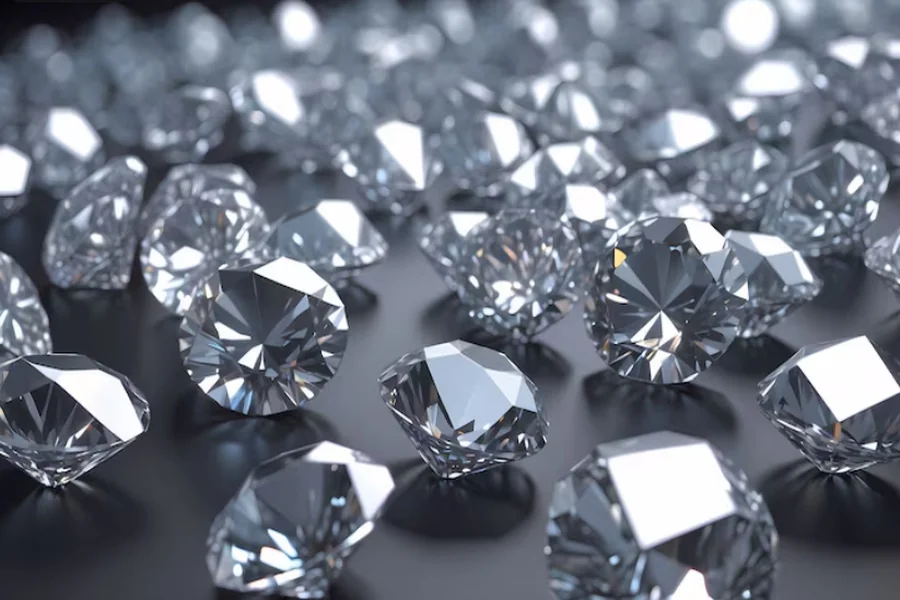
Understanding Lab-Grown Diamonds
Lab-grown diamonds are created through highly controlled scientific processes that replicate the natural conditions under which diamonds form deep within the Earth. The two primary methods used are High Pressure High Temperature (HPHT) and Chemical Vapour Deposition (CVD). When evaluating lab diamonds vs real diamonds cost, many buyers find that lab-grown options offer significant savings without compromising quality. Both techniques produce diamonds that are chemically, physically, and optically identical to mined diamonds. In practical terms, even trained gemologists require specialised equipment to distinguish between the two.
One of the most important aspects of lab-grown diamonds is the level of control involved in their creation. Unlike natural diamonds, which are subject to unpredictable geological conditions, lab-grown diamonds are produced in carefully monitored environments. This allows manufacturers to achieve a more consistent level of clarity, colour, and overall quality. As a result, many stones have fewer inclusions and defects compared to naturally formed diamonds.
This controlled production process also significantly reduces waste and resource consumption, which contributes to the growing appeal of lab-grown diamonds among environmentally conscious consumers. However, while they are physically identical to natural diamonds, their economic and emotional value in the market is shaped by very different forces.
Production Costs and Market Pricing
The cost structure of lab-grown diamonds is fundamentally different from that of natural diamonds. Mining natural diamonds involves extensive exploration, heavy machinery, large-scale labour, and complex logistics. These operations often take place in remote locations, adding to transportation and infrastructure costs. Each stage of extraction contributes to a higher overall market price.
In contrast, lab-grown diamonds are produced in laboratories or specialised facilities, often located near industrial or urban centres. This significantly reduces operational costs. There is no need for mining rights, land excavation, or large-scale environmental disruption. Once the initial equipment investment is made, the cost of producing additional diamonds decreases over time due to efficiency improvements.
These savings are typically reflected in retail prices. Lab-grown diamonds are generally priced between 20% and 40% lower than natural diamonds of similar size and quality. This price difference has made them increasingly attractive to consumers who prioritise affordability without sacrificing appearance or durability.
However, pricing is not solely determined by production costs. Market perception, branding, and consumer demand also play a major role in shaping final retail values for both categories of diamonds.
The Perceived Value of Natural Diamonds
Natural diamonds have long held a strong cultural and symbolic position in society. They are often associated with romance, commitment, wealth, and prestige. This perception has been reinforced over decades through marketing campaigns and luxury branding strategies that position natural diamonds as rare and highly desirable assets.
One of the key factors contributing to their value is scarcity. Natural diamonds are formed over billions of years under intense geological pressure, making each stone unique in origin. This sense of rarity enhances their emotional and financial appeal, even when similar-looking lab-grown alternatives exist.
The concept of exclusivity also plays a major role. Many consumers still associate natural diamonds with status and tradition. As a result, they are often willing to pay a premium for stones that are perceived as having a deeper historical and geological significance.
Despite these advantages, the pricing gap between natural and lab-grown diamonds has led to ongoing debates about whether this premium is justified purely by rarity and perception rather than intrinsic material differences.
Market Demand Dynamics
The diamond market is currently experiencing a noticeable shift in consumer behaviour. Lab-grown diamonds are gaining popularity, particularly among younger buyers who are more conscious of ethical sourcing and environmental sustainability. These consumers often value transparency in production and prefer products that align with modern environmental standards.
Lab-grown diamonds offer a clear advantage in this regard, as they eliminate many of the environmental concerns associated with traditional mining. Issues such as habitat destruction, water usage, and carbon emissions are significantly reduced or avoided altogether.
However, natural diamonds continue to maintain strong demand in the luxury segment. Many buyers still view them as long-term value assets, believing they retain resale value more effectively than lab-grown stones. While this perception is not always supported by consistent market data, it continues to influence purchasing decisions, especially among investors and traditional buyers.
The coexistence of these two markets reflects a broader diversification in consumer priorities, where emotional value, ethical considerations, and financial expectations all intersect.
Technological Advances and Competitive Edges
Advancements in diamond-growing technology have significantly improved the quality and efficiency of lab-grown diamonds. Modern equipment allows producers to create larger stones with higher clarity in shorter timeframes than ever before. This has increased supply while maintaining consistent quality standards.
As production techniques continue to evolve, the cost of lab-grown diamonds is expected to decrease further, making them even more competitive in the jewellery market. This technological progress also allows for greater customisation, enabling jewellers to offer tailored designs at more accessible price points.
At the same time, these improvements are gradually reshaping how consumers perceive value. As lab-grown diamonds become more widely available and visually indistinguishable from mined diamonds, traditional pricing models in the diamond industry are being challenged.
The Role of Certification and Authentication
Certification plays an essential role in maintaining trust within both the lab-grown and natural diamond markets. Independent gemological institutes assess diamonds based on the four key characteristics: cut, colour, clarity, and carat weight.
These certifications ensure that buyers receive accurate information about the quality of their purchase, regardless of origin. For lab-grown diamonds, certification is particularly important in establishing credibility and reinforcing their legitimacy in the jewellery market.
Grading reports also influence pricing. Diamonds with higher clarity and better cut grades command higher prices, regardless of whether they are lab-grown or natural. However, natural diamonds often still carry an additional premium due to perceived rarity.
This structured evaluation system helps maintain transparency in a market that includes two very different production methods but similar end products.
Shifting Consumer Values
Consumer preferences are evolving rapidly, particularly among younger generations. Millennials and Gen Z buyers are more likely to question traditional luxury narratives and prioritise sustainability, ethical sourcing, and value for money.
Lab-grown diamonds align closely with these values, offering a more environmentally conscious alternative without compromising visual quality. This has contributed to their growing acceptance in engagement rings, fashion jewellery, and everyday luxury items.
At the same time, older generations and traditional buyers may still prefer natural diamonds due to their historical significance and perceived investment value. This generational divide is shaping the future structure of the diamond market, leading to increased segmentation rather than a single dominant preference.
As awareness continues to grow, consumer definitions of value are becoming more diverse, incorporating not just price and appearance, but also ethics and long-term relevance.
Conclusion
The comparison between lab-grown and natural diamonds reveals a complex economic landscape shaped by production methods, market perception, technological innovation, and changing consumer values. Lab-grown diamonds offer a more cost-effective and environmentally conscious alternative, while natural diamonds maintain their position through tradition, scarcity, and symbolic significance.
Rather than one replacing the other, both categories are likely to coexist, serving different segments of the global market. The decision between them ultimately depends on individual priorities, whether that is affordability, sustainability, emotional value, or long-term perception of worth.
As the diamond industry continues to evolve, understanding these economic and cultural factors becomes essential for making informed purchasing decisions in an increasingly transparent and competitive market.