
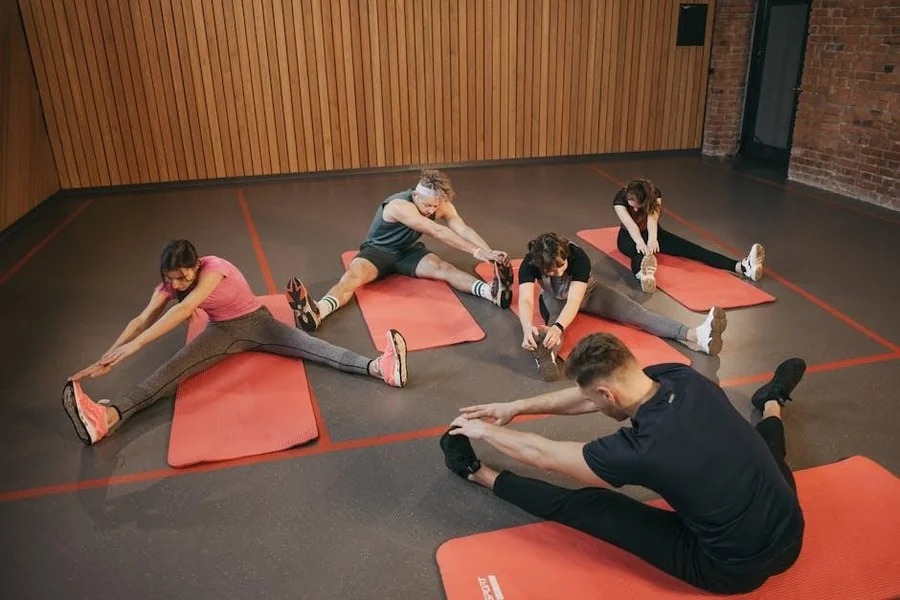
In the world of health and wellness, fitness training classes have emerged as a pivotal element, offering diverse programmes that cater to both novices and fitness enthusiasts. By joining these classes, individuals not only benefit from structured routines but also gain motivation from shared goals. The fitness training classes help participants improve strength, endurance, flexibility, and overall well-being through guided exercises and consistent physical activity. The group dynamics significantly enhance the overall experience, leading to better outcomes than solitary workouts. Participants can explore various specialised classes which bring in fresh perspectives to traditional exercise regimens, thereby enhancing both their physical and mental well-being. Discover more about these transformative sessions here.
Evolution of the Fitness Industry
The fitness industry has undergone a substantial transformation throughout the years. From the early days of simple gym workouts, it has evolved into a comprehensive domain that includes a multitude of classes tailored to differing fitness levels and interests. This evolution has seen the introduction of innovative concepts such as high-intensity interval training (HIIT), yoga, Pilates, spinning, and dance fitness. These varied approaches allow individuals to choose classes that best fit their personal preferences and fitness objectives, thus promoting sustained participation and commitment.
Benefits of Group Fitness Classes
Group fitness classes offer a myriad of benefits, making them a popular choice for those looking to improve their health. One of the key advantages is the social aspect; working out in groups can make exercise more enjoyable and less daunting. The camaraderie that develops among participants can lead to lasting friendships and a supportive network that encourages consistent attendance and effort.
Furthermore, having a qualified instructor guide the classes ensures that participants perform exercises with the correct form, reducing the risk of injury. This professional oversight also helps individuals push their limits safely, fostering gradual and consistent improvement in their fitness levels.
Variety and Inclusivity
The range of fitness training classes available today embraces inclusivity, catering to different age groups, skill levels, and fitness goals. For beginners, entry-level classes provide a welcoming environment where they can learn the basics without feeling intimidated. As participants gain confidence and strength, they can progress to more advanced classes that challenge their capabilities.
Specialised classes also cater to specific interests or needs, such as prenatal fitness sessions or classes designed to strengthen particular muscle groups. This diversity means that there is something to suit everyone’s preferences, encouraging broader participation across various demographics.
Mental Health and Fitness
The impact of fitness training extends beyond physical health. Numerous studies have demonstrated that regular exercise, including participation in group classes, can lead to significant improvements in mental health. Physical activity is known to lower stress levels, reduce symptoms of anxiety and depression, and boost overall mood. The group setting further amplifies these effects as participants share a collective experience, fostering a sense of belonging and shared purpose. This holistic approach to fitness helps individuals achieve a balanced state of mind that complements physical wellness.
Developing a Personalised Fitness Regimen
When embarking on a fitness journey, it can be beneficial to develop a personalised regimen that encompasses different classes catering to various aspects of fitness. By doing so, individuals can address their unique strengths and weaknesses, thus achieving a more well-rounded level of fitness. For instance, alternating between strength training, cardio workouts, and flexibility-focused sessions such as yoga or Pilates can deliver comprehensive benefits.
Fitness classes are designed with structured progression in mind, ensuring participants continue to improve and adapt to new challenges over time. This structured approach keeps the regimen fresh and engaging, preventing plateaus and encouraging continuous development.
Embracing a Positive Lifestyle Change
Engaging in fitness training classes can be a catalyst for adopting a healthier lifestyle. The commitment to regular classes often leads to broader lifestyle changes that support fitness goals. Many participants find that their dietary habits improve as they seek to fuel their bodies with the right nutrients to optimise performance. Furthermore, discipline and perseverance learned through consistent class attendance can spill over into other areas of life, fostering a positive mindset and resilience.
Barriers to Participation and Overcoming Them
Despite the numerous benefits, some individuals may face challenges when it comes to participating in group fitness classes. Common barriers include cost, time constraints, and feelings of intimidation or self-consciousness. However, many fitness facilities offer versatile schedules to accommodate busy lifestyles, including early morning, lunchtime, and evening classes.
For those concerned about cost, some community centres or recreational groups provide affordable or even free classes, making fitness accessible to a wider audience. Furthermore, the welcoming environment of most classes soon dispels any apprehension or self-doubt, as participants quickly realise that everyone is there to improve and support one another.
Summary of Class Types
The spectrum of fitness classes available today includes:
– Aerobic Classes: Such as Zumba and spinning, which focus on cardiovascular health.
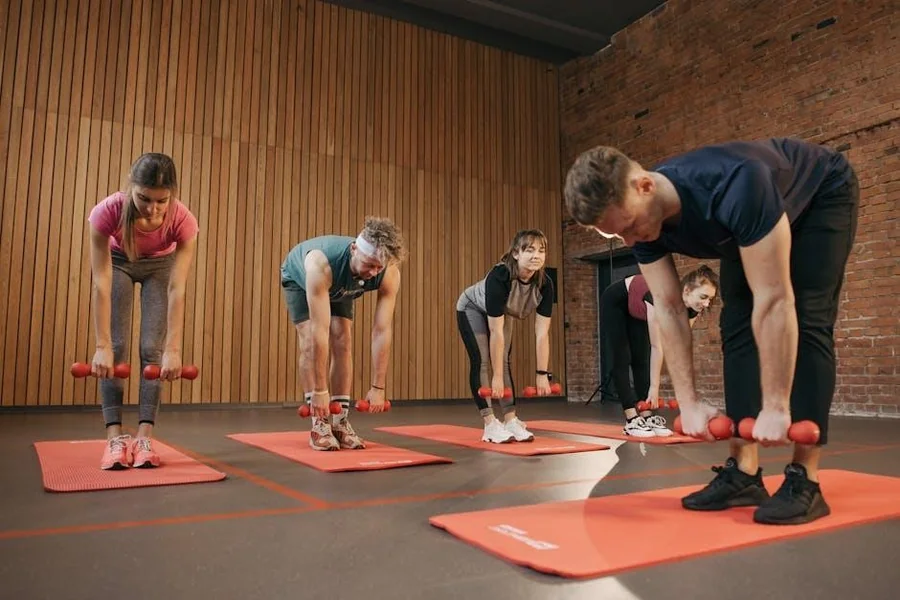
– Strength Training: Including classes that utilise free weights, resistance bands, or body-weight exercises to build muscle.
– Flexibility and Balance: Yoga and Pilates classes that emphasise stretching and core strength.
– HIIT and Circuit Training: These provide a high-intensity, time-efficient workout.
Each of these classes offers unique benefits, allowing participants to mix and match according to their goals and interests.
Conclusion
As the fitness industry continues to grow and innovate, fitness training classes remain a fundamental component for those seeking a balanced, healthy lifestyle. They provide an engaging and supportive environment where individuals can work towards their personal fitness goals while enjoying the social benefits of being part of a group. Whether you’re looking to start your fitness journey or elevate your current routine, these classes present an ideal avenue to explore.