
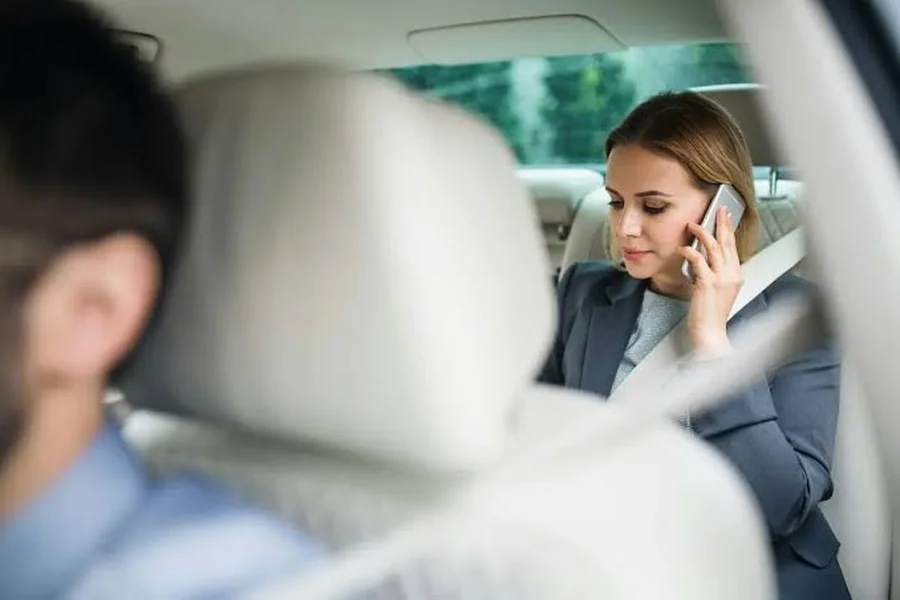
Rideshare services have become part of everyday life in St. Louis. Whether people are heading to Cardinals games, concerts in Grand Center, restaurants in the Central West End, or nightlife in the Delmar Loop, thousands of Uber and Lyft trips take place every week. Unfortunately, as rideshare traffic continues to grow, so does the number of collisions involving these vehicles.
Many injured passengers assume that because a rideshare company was involved, Uber or Lyft will automatically pay for their injuries. In reality, the legal process is much more complicated. Speaking with a St. Louis Uber accident attorney early can help injured riders understand how insurance coverage works, preserve important evidence, and avoid common mistakes that may affect their ability to recover compensation.
One of the biggest misconceptions about rideshare accidents is that they are handled the same way as ordinary car crashes. Traditional automobile accidents typically involve the insurance policies of the drivers involved. Rideshare accidents, however, often involve multiple insurance policies, different coverage limits, and questions about the driver’s status within the rideshare app. Understanding these differences is often one of the first and most important steps in a successful claim.
Why Rideshare Insurance Works Differently
Uber and Lyft generally classify their drivers as independent contractors rather than employees. That classification plays an important role in determining how accident claims are handled. Rather than every claim automatically becoming the company’s responsibility, insurance coverage depends largely on what the driver was doing at the exact time the collision occurred.
Determining whether the driver was offline, waiting for a ride request, driving to pick up a passenger, or actively transporting someone can significantly affect which insurance policy applies. Establishing that timeline is often one of the first issues investigated after a rideshare accident because it helps determine where compensation may come from.
Unlike a traditional automobile accident, an injured passenger may find multiple insurance companies involved before liability is even discussed. This added complexity is one reason rideshare claims often require more investigation than crashes involving only privately owned vehicles.
Understanding the Different Insurance Phases
Insurance coverage changes depending on the driver’s status within the rideshare application.
When a driver is transporting a passenger or traveling to an accepted pickup request, Uber’s insurance coverage generally includes up to $1 million in third-party liability coverage, along with uninsured or underinsured motorist coverage under certain circumstances.
Coverage becomes much more limited when a driver has the application open but has not yet accepted a ride request. During this period, lower liability limits generally apply, and compensation may depend on how the available policies interact with other insurance coverage.
If the rideshare application is completely turned off, the company’s insurance generally does not apply. Instead, the driver’s personal automobile insurance typically becomes the primary source of coverage. Determining exactly when the collision occurred in relation to the driver’s app status can therefore become a key issue during the investigation.
These different coverage phases are described in the insurance policies published by major rideshare companies and have also been recognized by insurance regulators. As a result, documenting the driver’s status at the time of the crash is often one of the most important factual questions in a rideshare claim.
Liability Can Be More Complicated Than Many People Realize
Many injured passengers assume that proving the rideshare driver caused the crash automatically resolves the case. While driver negligence is often central to a claim, determining liability may involve additional legal questions.
Because rideshare drivers are generally classified as independent contractors, some plaintiffs have explored legal theories involving company policies, safety practices, or app-related issues in addition to traditional negligence claims. Whether those arguments apply depends on the specific facts of the accident and the current state of Missouri law.
Every rideshare collision presents unique circumstances. A driver may have been struck by another motorist, involved in a multi-vehicle collision, or faced with unexpected road hazards. Establishing liability often requires reviewing police reports, photographs, witness statements, vehicle damage, and other available evidence before responsibility can be accurately determined.
Evidence Matters More Than Many Riders Expect
Evidence begins disappearing shortly after a collision occurs. Traffic cameras may overwrite recordings, witnesses become more difficult to locate, and damaged vehicles are often repaired within days or weeks.
Passengers can help preserve valuable evidence by taking photographs of the accident scene, documenting visible injuries, saving screenshots of the rideshare trip information, and obtaining contact information from witnesses whenever it is safe to do so.
Medical treatment also serves as important evidence. Seeking prompt medical care creates documentation connecting injuries to the collision while allowing physicians to identify conditions that may not immediately produce symptoms. Soft tissue injuries, concussions, neck injuries, and spinal injuries sometimes become more noticeable hours or days after the accident.
Keeping copies of medical records, repair estimates, receipts, and correspondence with insurance companies can also strengthen a claim if questions arise later.
Dealing With Insurance Companies
Insurance companies investigate claims using available evidence, policy language, and applicable laws. After a rideshare accident, multiple insurance carriers may become involved depending on who was driving and which policies potentially apply.
In some cases, injured individuals receive settlement offers before the full extent of their injuries becomes clear. Carefully reviewing any proposed settlement before accepting it is important because resolving a claim may limit the ability to seek additional compensation later.
Insurance representatives may also request recorded statements. Because these statements can become part of the claim investigation, many attorneys recommend understanding your legal rights and the purpose of the interview before participating.
Negotiating a rideshare accident claim often involves reviewing medical records, documenting financial losses, evaluating insurance coverage, and determining how Missouri law applies to the facts of the collision.
Practical Steps After a Rideshare Accident
Several practical actions may help protect a rideshare accident claim:
- Report the accident through the Uber or Lyft application as soon as reasonably possible.
- Seek medical evaluation promptly, even if injuries appear minor.
- Photograph vehicle damage, road conditions, and visible injuries.
- Save screenshots showing trip information and driver details.
- Obtain contact information from witnesses whenever possible.
- Keep records of medical treatment, missed work, and related expenses.
- Review settlement documents carefully before signing them.
Taking these steps early can make it easier to document both liability and damages if questions arise during the claims process.
Missouri Filing Deadlines Still Matter
Missouri generally provides a five-year statute of limitations for many personal injury claims, including many motor vehicle accident cases, although exceptions may apply depending on the circumstances. While five years may seem like a long time, waiting can make evidence more difficult to obtain and memories less reliable.
Prompt action often allows investigators to gather stronger evidence, obtain surveillance footage before it is deleted, interview witnesses while events remain fresh, and secure records that may become harder to locate over time.
What This Means for St. Louis Riders
Busy entertainment districts such as Ballpark Village, the Delmar Loop, Cortex, Grand Center, and the Central West End continue to generate significant rideshare traffic throughout the week. As more rideshare vehicles operate in these areas, collisions involving passengers, pedestrians, cyclists, and other motorists remain an important public safety concern.
Understanding how rideshare insurance works before speaking with insurance companies can help injured riders make informed decisions after an accident. Determining the driver’s status in the app, preserving evidence, seeking timely medical care, and understanding the applicable insurance coverage all play important roles in protecting a claim.
Although every rideshare accident presents different facts, understanding the legal process early helps injured passengers better navigate the challenges that often accompany these complex claims. Careful documentation, informed decision-making, and experienced legal guidance can all contribute to a stronger claim while allowing injured riders to focus on their recovery.