
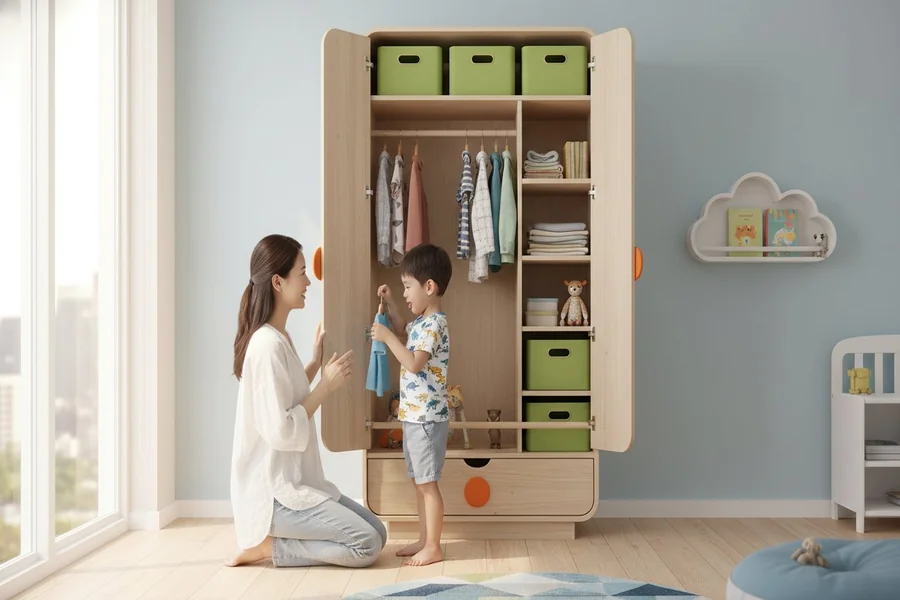
Children grow quickly, and their clothing needs can change from one stage to another. A practical wardrobe should therefore balance comfort, fit, durability, and suitability for everyday activities. Rather than buying items based only on appearance, parents and caregivers can consider how often each piece will be worn and whether it fits into a child’s daily routine.
From baby essentials to clothing for school-age children, a well-planned selection can make dressing easier while helping avoid unnecessary purchases.
Start With Everyday Essentials
Everyday clothing usually forms the foundation of a child’s wardrobe. Depending on the child’s age and lifestyle, this may include:
- T-shirts and tops
- Shorts and trousers
- Dresses and skirts
- Comfortable sets
- Outerwear
- Sleepwear
- Footwear and accessories
The number of each item will depend on factors such as laundry routines, weather, school requirements, and how active the child is.
It can be useful to prioritise versatile pieces that can be combined easily rather than purchasing too many items designed for only one occasion.
Consider Comfort Before Style
Children spend much of their day moving, playing, sitting, and participating in different activities. Clothing that restricts movement or feels uncomfortable may simply remain unworn.
When choosing everyday items, consider:
Fabric
Soft and breathable materials may be more comfortable for regular wear, particularly in warm conditions. The care requirements of the fabric should also be considered, as children’s clothing often needs frequent washing.
Fit
Clothing should allow enough room for normal movement without being excessively loose or restrictive. Checking individual size guides can be useful because sizing may vary between brands.
Ease of Dressing
Younger children may benefit from simple fastenings and designs that are easier for parents or children themselves to manage.
Plan for Different Occasions
Not every item needs to serve the same purpose. Separating a wardrobe into categories can make it easier to identify what is actually needed.
For example:
Everyday wear can focus on comfort and easy care.
Outdoor clothing may need to suit more active movement and changing weather.
Special-occasion outfits can be selected for events where appearance or a particular dress style is more important.
Travel clothing may benefit from being comfortable, lightweight, and easy to layer.
This approach can help prevent a wardrobe from becoming filled with items that look appealing but are rarely used.
Choosing Clothing for Babies
Babies have different clothing requirements from older children. Comfort, practicality, and ease of changing often become major considerations.
Useful factors include:
- Soft fabrics
- Easy fastening
- Appropriate sizing
- Simple care instructions
- Suitability for the surrounding temperature
Because babies grow quickly, it may also be practical to avoid purchasing an excessive quantity of clothing in a single size.
Let Children Develop Their Own Preferences
As children get older, clothing can become a way to express personal preferences. Allowing them to participate in simple choices can help them feel more comfortable and confident in what they wear.
This does not mean that every item needs to follow the latest trend. Instead, parents can create a balance between practical requirements and the child’s preferences for colours, styles, or favourite types of clothing.
Don’t Forget Footwear and Accessories
Clothing is only one part of preparing for different activities. Footwear should be selected based on fit and intended use, while accessories can serve practical purposes as well.
Depending on the child’s routine, useful additions may include:
- Hats for outdoor activities
- Bags or backpacks
- Seasonal outerwear
- Swimwear
- Comfortable everyday shoes
When choosing footwear, regular size checks are important because children’s feet continue to grow.
Shopping by Category Can Save Time
When looking for several different types of children’s products, browsing by category can make the process more manageable. For example, a parent may need clothing for everyday wear while also looking for toys, accessories, or gifts.
For families who prefer to explore different children’s categories in one place, Kids21 includes collections for babies, boys, girls, lifestyle products, and toys.
Focus on What Will Actually Be Used
A useful way to evaluate any purchase is to ask a few simple questions:
- When will the child wear or use it?
- Is it suitable for their current age?
- Is the size appropriate?
- Can it be used with items they already own?
- Is it practical for the child’s usual activities?
These questions can help distinguish between an item that is genuinely useful and one that may only be appealing at the time of purchase.
Conclusion
Building a children’s wardrobe does not require an extensive collection of clothing. A practical selection of comfortable everyday essentials, activity-appropriate items, and a few pieces for special occasions can often cover most needs.
By considering comfort, fit, lifestyle, and a child’s changing preferences, parents and caregivers can make more thoughtful choices while keeping shopping organised and manageable.