
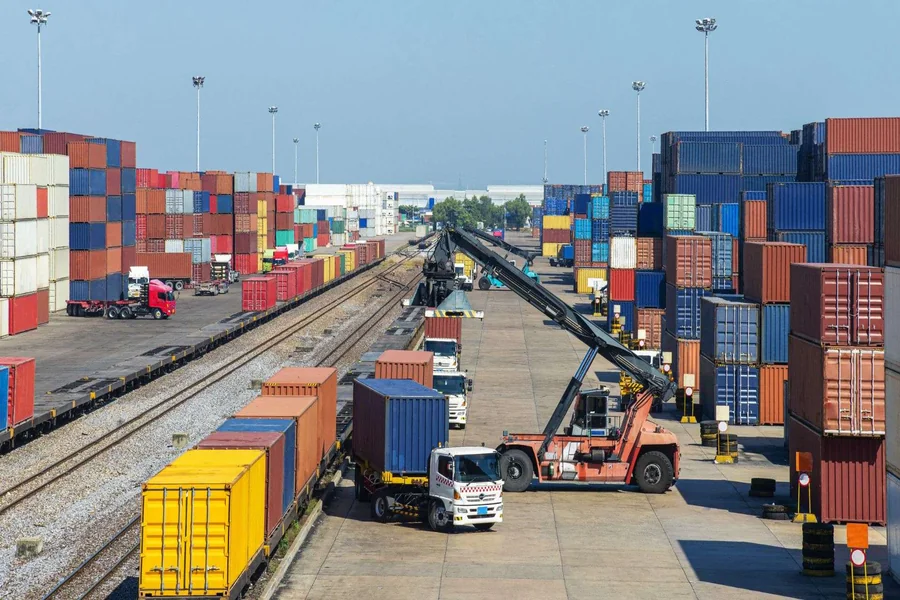
Modern supply chain management requires far more than moving freight from point A to point B. For enterprise manufacturers, distributors, and retailers, end-to-end transportation management serves as the backbone of customer satisfaction, inventory velocity, and margin protection. As regional supply networks become increasingly interconnected, businesses face mounting pressure to optimize routing, control unexpected transportation surcharges, and maintain complete visibility over goods in transit.
Building a resilient distribution network depends on selecting execution partners capable of handling complex freight requirements without sacrificing reliability. Evaluating physical carrier networks, technology integrations, and operational capacity ensures that your supply chain remains an engine for business growth rather than a source of continuous operational friction.
The Strategic Role of Regional Logistics Hubs
The geography of distribution determines the efficiency of the entire supply chain. Positioning primary fulfillment and staging operations near major transportation corridors reduces transit times, lowers fuel consumption, and allows for flexible dispatch schedules. Strategic hubs provide immediate access to intermodal rail yards, international airports, and major commercial highways, enabling rapid cross-docking and regional distribution.
However, operating within major freight hubs presents distinct challenges. High congestion, variable transit times, and local labor shortages can easily derail tightly scheduled delivery windows if a carrier lacks regional expertise.
Key infrastructure factors to evaluate when selecting a regional distribution hub include:
- Arterial Highway Access: Proximity to primary commercial highways minimizes first-mile transit delays and reduces overall driver drive-time metrics.
- Intermodal Connectivity: Direct access to major rail terminals allows shippers to shift long-haul freight seamlessly between rail and road, cutting transportation costs.
- Dedicated Facility Capacity: Access to high-clearance warehousing and multi-dock loading bays ensures high throughput during seasonal volume spikes.
Data published in the Transport Canada Transportation in Canada Annual Report underscores that strategic corridor density directly impacts freight fluidities, making regional carrier selection a critical factor in overall supply chain reliability.
Moving Beyond Freight Brokerage: The Asset-Based Advantage
While freight brokers provide value by matching spot-market capacity, over-relying on intermediary networks introduces systemic risk into daily operations. Non-asset brokers lack direct operational control over the drivers, equipment, and facilities handling your cargo. When regional demand surges, brokers must compete on the open market, often resulting in sudden price hikes or failed tender acceptances.
Partnering with asset-owning transportation management providers offers structural advantages that directly protect operational stability:
1. Guaranteed Fleet and Lane Capacity
Asset-based carriers dedicate specific tractors, trailers, and drivers to your primary distribution lanes. This contracted commitment shields your operations from daily spot-market capacity shortages and ensures consistent pickup schedules.
2. Standardized Safety and Maintenance
Direct fleet owners maintain strict oversight of vehicle maintenance cycles, driver training, and safety compliance. Reducing equipment breakdowns on the road prevents unexpected delays and preserves cargo integrity.
3. Integrated Facility and Fleet Workflows
When the same organization manages both the warehouse floor and the transport fleet, yard management becomes seamless. Trailers are staged, loaded, and dispatched without the communication lag common when coordinating separate warehousing and trucking entities.
Businesses scaling their commercial operations across key Ontario distribution corridors frequently rely on established logistics firms in Brampton to secure dedicated fleet capacity and high-throughput warehousing space near major trade routes.
Evaluating Technical Infrastructure and Real-Time Visibility
End-to-end transportation management relies heavily on digital visibility. Modern supply chains demand real-time data flow to anticipate disruptions, optimize warehouse labor, and provide accurate delivery estimates to end customers. A carrier’s technical infrastructure must integrate directly with your Enterprise Resource Planning (ERP) or Warehouse Management System (WMS).
| Visibility Layer | Basic Carrier Capabilities | Advanced Transportation Management |
| Tracking Data | Manual check-calls / Daily updates | Real-time GPS tracking with automated geofencing |
| System Integration | CSV exports / Manual email updates | API / EDI direct integration with enterprise ERPs |
| Documentation | Paper Proof of Delivery (POD) | Instant electronic POD upload and digital bill of lading |
| Exception Handling | Reactive notification after failure | Predictive alerting for weather or route delays |
According to technical standards outlined in the National Institute of Standards and Technology (NIST) Special Publication 800-161 on Supply Chain Risk Management, securing end-to-end digital integration across logistics platforms is essential for protecting supply chain data integrity and preventing operational blind spots.
Cost Containment and Audit Discipline in Freight Management
Transportation costs represent one of the largest variable expenses on a corporate income statement. Unpredictable accessorial charges—such as detention fees, layovers, fuel surcharges, and re-consignment penalties—can quickly erode profit margins if carrier contracts lack transparency.
Establishing cost containment requires clear contractual benchmarks and rigorous freight audit processes. A structured transportation management contract should clearly define standard detention windows, fuel surcharge index formulas, and specialized handling fees upfront.
Key financial metrics to audit regularly include:
- On-Time In-Full (OTIF) Delivery Rate: Measures the percentage of shipments delivered within the agreed window without damage or missing inventory.
- Tender Acceptance Rate: Tracks how reliably a contracted carrier accepts assigned loads at the agreed rate without forcing shipments onto the spot market.
- Billed vs. Contracted Rate Accuracy: Identifies discrepancies between quoted transportation costs and final invoices, eliminating unauthorized accessorial fees.
Comprehensive industry statistics maintained in the U.S. Bureau of Labor Statistics Producer Price Index for Freight Transportation Arrangement demonstrate how long-term asset-backed transportation contracts stabilize shipping costs compared to volatile spot-market pricing indices.
Building Long-Term Supply Chain Resilience
Selecting a transportation partner is a strategic operational decision that impacts every tier of your organization. By prioritizing physical asset ownership, robust technology integration, and clear financial terms, enterprise leaders build distribution networks capable of weathering market volatility.
End-to-end transportation management transforms freight shipping from a continuous operational challenge into a predictable, scalable business asset. Investing in reliable execution partners ensures your products arrive safely, your customers remain satisfied, and your operational margins stay protected.