
Understanding the Impact of Dental Anxiety
A private dentist Harrow understands that dental anxiety affects a substantial portion of the population, preventing many individuals from seeking essential oral healthcare. This fear can stem from various sources, including previous negative experiences, fear of pain, or simply the clinical environment itself. For some people, the mere thought of sitting in a dental chair triggers overwhelming feelings of panic and dread. The consequences of avoiding dental treatment can be severe, leading to deteriorating oral health, increased pain, and more complex procedures in the future. Fortunately, modern dentistry has evolved to address these concerns through compassionate care and advanced sedation techniques.
The psychological barriers that prevent people from visiting the dentist are well-documented in clinical literature. Research on dental anxiety and phobia demonstrates how these fears can manifest in physical symptoms such as increased heart rate, sweating, and nausea. Private dental practices have recognised the importance of creating tailored solutions for nervous patients, ensuring that dental anxiety no longer stands as an insurmountable obstacle to achieving optimal oral health.
The Role of Private Dentists in Anxiety Management
Private dental practices often have greater flexibility in accommodating the specific needs of anxious patients compared to traditional NHS settings. They can dedicate more time to each appointment, allowing dentists to build trust and rapport with their patients. This personalised approach is crucial for individuals who require additional reassurance and support. A private dental practice, for example, may offer extended consultation times where patients can discuss their concerns openly without feeling rushed.
The commitment to patient comfort extends beyond simply offering sedation options. Private dentists typically invest in creating calming environments, utilising comfortable furnishings, soothing colour schemes, and modern amenities that help reduce anxiety before treatment even begins. Many practices also train their entire team in anxiety management techniques, ensuring that every interaction contributes to a positive experience.
Types of Sedation Available for Nervous Patients
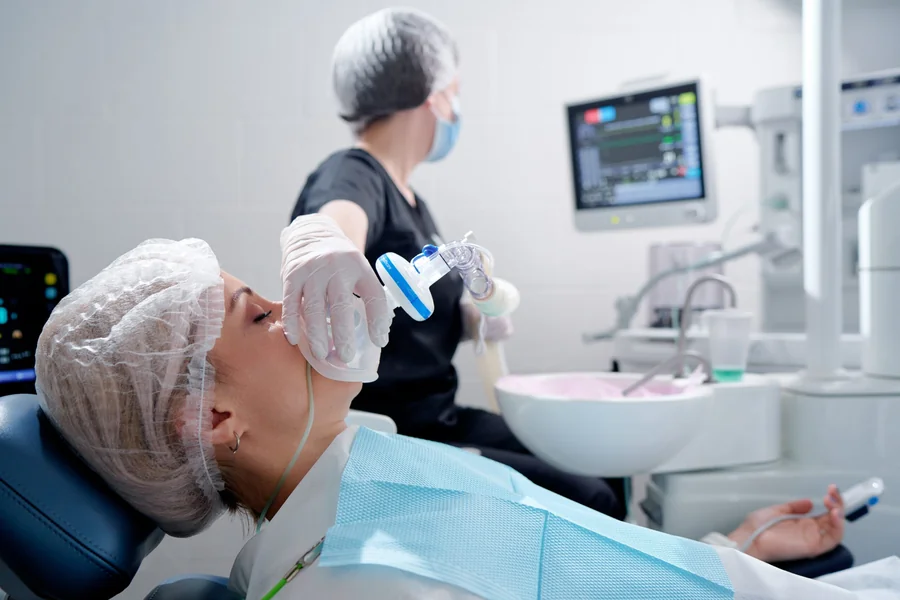
Inhalation Sedation
Inhalation sedation, commonly known as laughing gas or nitrous oxide, represents one of the mildest forms of sedation dentistry. Patients remain conscious throughout the procedure but experience a profound sense of relaxation and reduced anxiety. The effects wear off quickly after treatment, allowing patients to resume normal activities shortly afterwards.
Oral Sedation
Oral sedation involves taking prescribed medication before the dental appointment, typically about an hour prior to treatment. This method produces a deeper level of relaxation compared to inhalation sedation, though patients remain awake and able to respond to instructions. The dosage can be adjusted according to the level of anxiety experienced, making it a versatile option for many nervous patients. Patients will need someone to accompany them to and from the appointment, as the effects can last several hours.
Intravenous Sedation
For patients with severe dental phobia, intravenous sedation offers the most profound level of conscious sedation available in general dental practice. Administered by a qualified sedationist, this method allows for precise control over the sedation level throughout the procedure. Patients often have little to no memory of the treatment afterwards, which can be particularly beneficial for those undergoing lengthy or complex procedures. The NHS clinical guidelines for dental anxiety management provide comprehensive protocols for the safe administration of various sedation techniques.
Building Long-Term Confidence in Dental Care
Sedation dentistry serves as more than just a temporary solution for anxious patients. When individuals experience positive, pain-free dental appointments through sedation, they often find their anxiety diminishes over time. This gradual desensitisation can transform someone who once avoided the dentist entirely into a patient who attends regular check-ups with confidence. Many practices work closely with organisations such as specialist dental anxiety support services to provide comprehensive care pathways for their most nervous patients.
Private dentists can also implement graduated exposure techniques, starting with simple examinations under sedation before progressing to more complex treatments. This stepped approach allows patients to build trust incrementally, developing coping strategies that may eventually reduce or eliminate their need for sedation altogether.
Achieving Better Oral Health Through Accessible Care
The availability of sedation dentistry at private practices has revolutionised dental care for anxious patients. By removing the barriers created by fear and anxiety, these services enable individuals to maintain their oral health effectively. Regular dental visits become achievable rather than impossible, preventing minor issues from escalating into major problems. The combination of compassionate care, modern sedation techniques, and patient-centred approaches ensures that dental anxiety need not compromise one’s quality of life or oral health outcomes.