
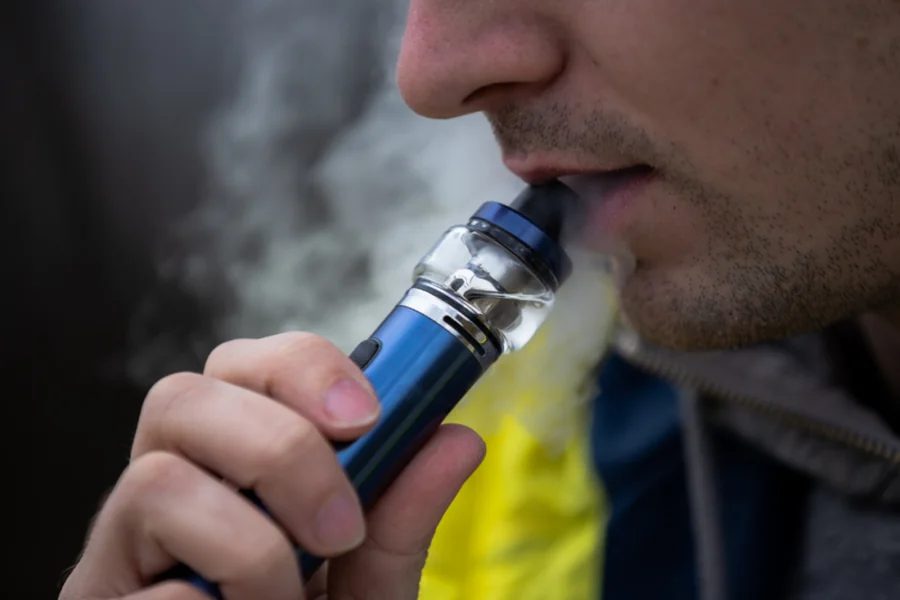
Technology has changed the way many electronic products are designed and manufactured. The vaping industry has also experienced several technical changes over the years. Earlier devices had relatively simple designs, basic battery systems, and limited controls. Modern devices are more varied, with different electronic components, charging systems, and display features.
However, these developments have also created new questions. How do different device generations compare? What do newer technical features actually mean? And how can manufacturers maintain consistent quality while introducing new designs?
Understanding the evolution of vape technology helps explain how the industry has changed and why product engineering, manufacturing standards, and regulatory requirements matter.
From Traditional Devices to Modern Vape Technology
In the early stages, vaping devices generally had straightforward construction. Many products used simple battery systems, basic heating elements, and limited electronic controls. Their designs focused mainly on combining a power source with a heating component.
As technology developed, manufacturers began exploring different materials, battery configurations, airflow systems, and electronic controls. These changes introduced more technical considerations into product development.
The transition was not always straightforward. Adding electronic features increased the need for proper testing, reliable components, and clear product specifications. It also made product comparisons more complicated for people unfamiliar with the technology.
1. Early Device Designs and Their Limitations
Traditional vape devices generally had fewer electronic components than many modern designs. Their construction was relatively simple, making battery performance and heating-element consistency important parts of the engineering process.
Some common limitations included:
- Basic battery capacity and power management.
- Limited control over device settings.
- Simple heating-element configurations.
- Fewer electronic display features.
- Limited information about internal components.
These limitations encouraged manufacturers to explore alternative designs. Over time, improvements in compact electronics and battery technology influenced how different devices were developed.
2. The Shift Toward Compact Electronic Components
One noticeable development has been the use of smaller electronic components. Modern product designs often integrate several functions into a compact structure.
Digital displays, electronic sensors, USB-C charging connections, and battery monitoring systems are examples of technologies used in some newer devices. Their presence depends on the specific product and its design.
Brands such as north vape can be discussed when examining how product specifications and device designs are presented across the modern market. Comparing technical information helps illustrate the differences between product generations.
Some important engineering considerations include:
- Efficient use of internal space.
- Battery protection and monitoring.
- Consistent electronic performance.
- Component compatibility.
- Accurate technical documentation.
Compact design also creates challenges. Manufacturers need to consider heat management, electrical connections, and component reliability within a limited amount of space.
Modern Innovations and Changing Industry Standards
The development of modern electronic devices has influenced several areas of the vaping industry. Manufacturers now need to consider not only the physical design but also software controls, electrical safety, component quality, and applicable regulations.
These changes have made product testing and manufacturing transparency important topics in industry discussions.
3. Battery Technology, Charging and Device Engineering
Battery technology is an important part of modern electronic device development. Earlier designs often had basic power systems, while some newer products include rechargeable batteries, monitoring circuits, and USB-C charging connections.
These developments have introduced additional engineering requirements. Battery capacity alone does not determine overall performance. Manufacturers must also consider electrical protection, charging compatibility, temperature management, and component quality.
The north vision vape product category can be considered in broader discussions about modern device specifications and how brands communicate technical details.
When evaluating electronic device engineering, some useful factors include:
- Battery capacity and electrical ratings.
- Charging compatibility and protection systems.
- Internal wiring and component quality.
- Temperature control and heat management.
- Manufacturing and safety testing.
Clear documentation is important because technical specifications should describe actual product characteristics rather than rely on vague performance claims.
4. Modern Manufacturing, Quality Control and Product Design
Modern manufacturing involves more than assembling individual components. It requires consistent production processes, material checks, testing procedures, and appropriate documentation.
Different product categories also demonstrate how manufacturers approach design in different ways. For example fifty bar can be mentioned when discussing brand positioning and the range of product designs found in today’s disposable vape market.
Some manufacturing practices that deserve attention include:
- Checking the quality of electronic components.
- Testing battery protection systems.
- Maintaining consistent assembly standards.
- Verifying product labeling and specifications.
- Following applicable manufacturing regulations.
Another important development is the growing discussion around electronic waste. Batteries and electronic components require appropriate disposal, and manufacturers must consider relevant environmental requirements when designing and distributing products.
What Does the Future Hold for Vape Technology?
The evolution of vape technology shows how changes in electronics, battery systems, and manufacturing methods can influence an entire product category. Designs have become more varied, while product testing and technical documentation have gained greater importance.
Looking ahead, discussions will likely continue around component reliability, manufacturing consistency, environmental responsibility, and regulatory compliance. These areas are important because technical innovation should be considered alongside product safety and responsible production.
For anyone following the industry, understanding these developments provides a clearer picture of how traditional device designs differ from modern electronic systems. The future of vape technology will depend not simply on adding more features, but on addressing engineering challenges and meeting appropriate quality and regulatory standards.