
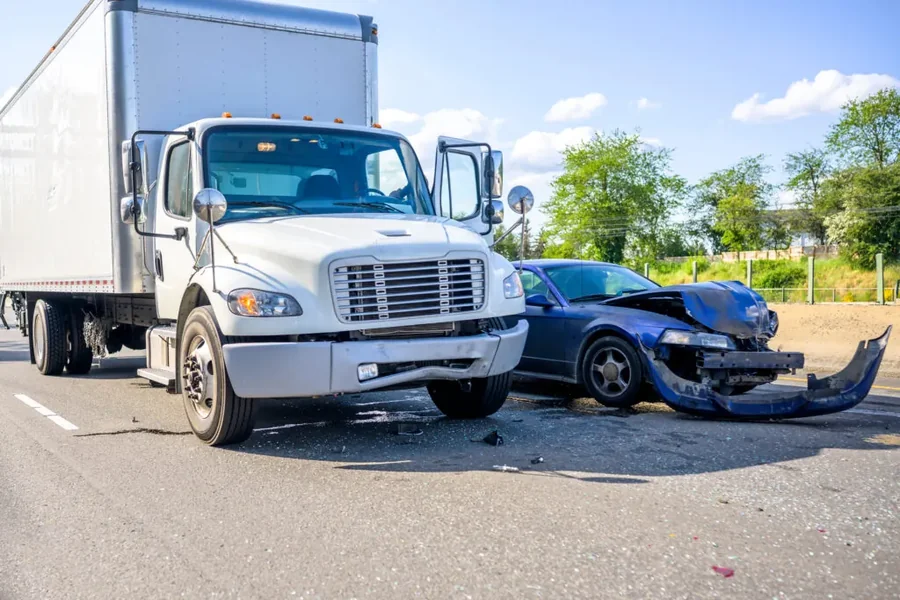
A semi-truck collision can leave you dealing with injuries, vehicle damage, insurance questions, and a great deal of uncertainty. Knowing your options after a semi-truck collision can help you make sensible decisions during the days and weeks that follow. The steps you take immediately after a crash may also help protect important evidence and support a future injury claim.
Move to Safety After the Crash
Your first priority should always be safety. If you are able to move and your vehicle is in a dangerous position, get yourself and your passengers to a safe location away from traffic. Do not remain inside a damaged vehicle if there is a risk of fire, another collision, or other immediate danger.
Call emergency services as soon as possible. Police and emergency medical personnel can assess the scene, assist injured people, and create an official record of what happened.
If you are seriously injured or cannot safely leave your vehicle, remain where you are unless moving would put you in greater danger. Follow instructions from emergency personnel.
Get Medical Attention
Some injuries are obvious immediately after a crash. Others may take hours or even days to become noticeable. The force involved in a semi-truck collision can cause serious injuries involving the head, neck, back, chest, or internal organs.
Even if you feel fine, consider getting evaluated by a medical professional after a significant collision. The National Highway Traffic Safety Administration provides information about road safety, traffic crashes, vehicle safety, and steps drivers can take to reduce risks on the road.
Medical records can also provide a clear timeline showing when you were examined and what symptoms were reported. Follow your healthcare provider’s instructions and attend recommended follow-up appointments.
Report the Collision
A collision involving a semi-truck should be reported to the appropriate law enforcement agency. When officers arrive, provide a factual account of what you remember.
Avoid guessing about details you do not know. You do not need to determine who was legally responsible at the scene. Simply explain what happened from your perspective.
If possible, obtain information about the responding agency and learn how you can request a copy of the crash report later.
Exchange Information Carefully
Collect identifying and insurance information from the truck driver and other involved parties. This may include the driver’s name, contact information, insurance information, license plate number, and the trucking company’s name.
Semi-trucks can be operated by drivers who work for transportation companies, contractors, or other businesses. There may also be more than one insurance policy involved.
Do not argue with the truck driver or other people at the scene. Keep conversations focused on exchanging information and cooperating with authorities.
Document the Scene
If your physical condition allows, take photographs and videos of the crash scene. Try to capture the vehicles from different angles, including the damage to your vehicle and the truck.
Photograph road conditions, traffic signs, lane markings, debris, visible injuries, and other details that may help explain how the collision occurred.
You can also write down what you remember as soon as possible. Include the approximate time, weather conditions, direction of travel, what you saw before the impact, and what happened immediately afterward.
Your memory may become less precise as time passes, so creating notes early can be useful.
Preserve Important Evidence
Truck collision cases may involve evidence that is different from a typical passenger vehicle crash. Depending on the circumstances, relevant evidence could include driver logs, vehicle inspection records, maintenance records, electronic data, cargo information, surveillance footage, photographs, and communications involving the trucking company.
Some evidence may not remain available indefinitely. For example, surveillance systems can overwrite recordings, and electronic information may require timely preservation.
Do not attempt to obtain restricted company records yourself. Instead, keep any evidence already in your possession and discuss the situation with a qualified attorney if you believe a legal claim may be necessary.
Be Careful With Insurance Companies
Insurance companies may contact you soon after a collision. You should provide basic information needed to process the claim, but be careful when discussing fault, injuries, or the value of your losses.
You do not need to guess how serious your injuries will become or provide a detailed statement before you understand the full extent of the damage.
Do not post detailed information about the collision or your injuries on social media. Photos, comments, or statements posted online can sometimes be taken out of context.
Keep copies of correspondence, claim numbers, estimates, medical records, and other documents related to the collision.
Keep Track of Your Losses
A serious truck collision can create expenses beyond the initial medical bill. Depending on the circumstances, losses may include medical treatment, prescription costs, vehicle repairs, transportation expenses, lost income, and other accident-related costs.
Create a simple file for your records. Save receipts, invoices, medical documents, wage information, insurance letters, and photographs in one place.
If you miss work because of your injuries, keep records showing the dates you were unable to work. If your condition affects your ability to perform normal activities, make notes about those limitations as well.
Good records can make it easier to understand the financial impact of the collision.
Understand Why Truck Crashes Can Be Different
A semi-truck collision can involve several factors that are not present in an ordinary passenger vehicle crash. Commercial drivers and trucking companies may have obligations involving driver qualifications, hours of service, vehicle maintenance, inspections, cargo securement, and other safety requirements.
The Federal Motor Carrier Safety Administration oversees federal motor carrier safety programs and provides information about commercial vehicle regulations. These rules can matter when investigators examine driver hours, truck maintenance, safety practices, and other possible factors in a serious collision.
The cause of a crash is not always obvious from the damage alone. Driver fatigue, distraction, speeding, poor maintenance, improperly secured cargo, weather, road conditions, and mechanical problems may all require investigation depending on the facts.
Consider Legal Guidance
If you suffered significant injuries, missed work, or experienced substantial property damage, consider speaking with a personal injury attorney before accepting a settlement or making important decisions about your claim.
An attorney can review the circumstances of the collision, explain potential claims, identify the parties that may be involved, and help preserve evidence when appropriate.
Truck collision claims can involve more than one potentially responsible party. The truck driver, trucking company, vehicle owner, maintenance provider, cargo company, or another party may have a role depending on what caused the crash.
You do not have to decide the entire case immediately. An initial consultation can help you understand what information matters and what steps may be appropriate.
Take the Next Step Carefully
The aftermath of a semi-truck collision can feel overwhelming, especially when you are trying to recover from an injury at the same time. Start with the basics: get to safety, seek medical care, report the crash, document what you can, preserve records, and be cautious when discussing the accident with insurers.
Every collision is different. The evidence, injuries, insurance coverage, and legal deadlines can vary from one case to another. Taking organized steps early can help protect your interests while you focus on recovery.