
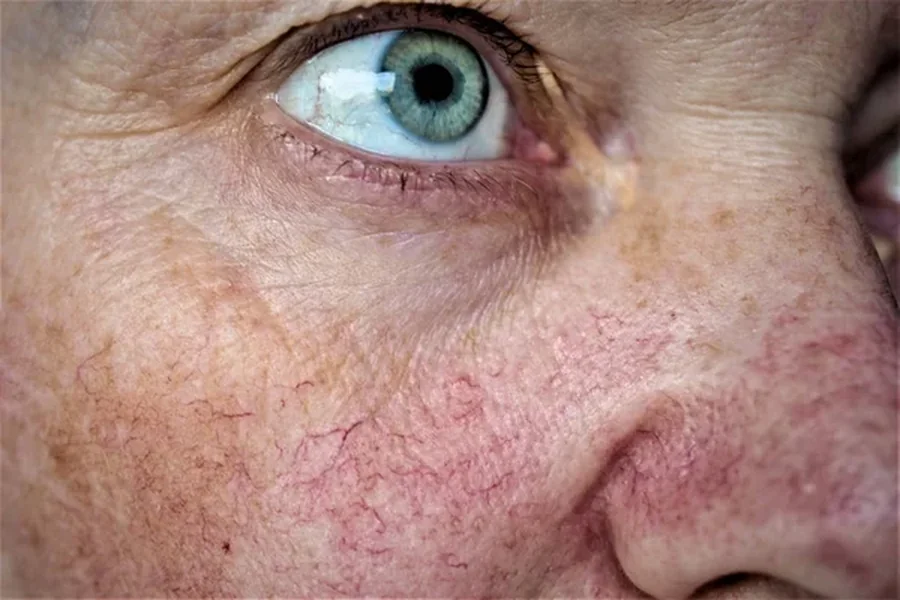
The appearance of facial veins can be a concern for many individuals seeking clearer and more even-toned skin. Often referred to as spider veins, these thread-like blood vessels become visible on the surface of the skin and are known to affect a person’s confidence and self-esteem. Fortunately, modern advancements in dermatology have provided a variety of facial veins treatment options that can significantly reduce their appearance and help individuals achieve the facial clarity they desire.
Understanding Facial Veins
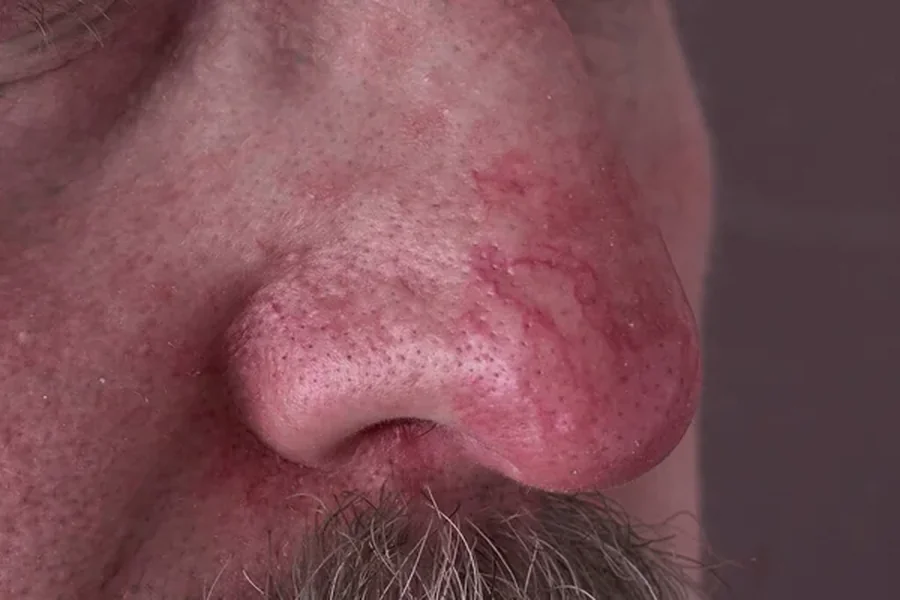
Facial veins, medically referred to as telangiectasia, are small, dilated blood vessels visible near the skin’s surface. They most commonly appear on the cheeks, nose, and chin. Though they rarely pose a health risk, they often lead to cosmetic concerns.
Several factors can contribute to the development of facial veins. Genetic predisposition is a significant determinant, making some people more prone to visible veins. Other triggers include prolonged sun exposure, hormonal fluctuations, and lifestyle habits such as alcohol consumption and smoking. Identifying these underlying causes is crucial, as it informs the choice of treatment and enhances overall effectiveness.
Laser Therapy for Facial Veins
Laser therapy has become a leading solution for reducing facial veins. This treatment works through selective photothermolysis, where the laser targets blood vessels, causing them to coagulate and be naturally absorbed by the body.
Different laser types are available, with pulsed dye lasers and Nd:YAG lasers being particularly effective. The choice of laser depends on skin type, vein size, and the area being treated. Laser therapy is minimally invasive and usually involves minimal discomfort, as the equipment often includes cooling mechanisms to protect the skin during treatment. Recovery is generally quick, allowing patients to return to daily activities with little downtime.
Sclerotherapy as an Alternative
Sclerotherapy is another effective method for addressing facial veins. This minimally invasive procedure involves injecting a sclerosing solution directly into the affected veins. The solution irritates the vessel lining, causing the veins to collapse and eventually be reabsorbed by surrounding tissue.
Although sclerotherapy is traditionally used for leg veins, its application for facial veins is gaining popularity. It is especially useful for larger veins that may not respond well to laser treatments. A thorough consultation with a specialist is essential to determine if sclerotherapy is the best approach based on individual skin conditions and treatment goals.
Intense Pulsed Light (IPL) Treatment
Intense Pulsed Light (IPL) therapy is a versatile option for facial vein management. Unlike lasers, IPL uses a broad spectrum of light wavelengths to target both visible veins and irregular pigmentation. This allows patients to address multiple skin concerns in a single session, including redness, sun damage, and age spots.
IPL is particularly effective for covering larger areas of the face. Multiple sessions are usually required to achieve optimal results, but the procedure is known for its minimal recovery time. This makes IPL a convenient choice for those with busy schedules seeking comprehensive facial rejuvenation.
Skincare and Lifestyle Adjustments
While advanced treatments like lasers, sclerotherapy, and IPL are highly effective, daily skincare and lifestyle choices play a vital role in maintaining results. Using a broad-spectrum sunscreen can prevent the formation of new facial veins and reduce further skin damage. Skincare products containing retinoids, vitamin C, or peptides can strengthen the skin matrix, making veins less visible over time. GHK-Cu for skin healing is a powerful copper peptide known for supporting skin repair, collagen production, and overall skin regeneration.
Lifestyle factors also significantly impact the appearance of facial veins. Limiting alcohol consumption, avoiding smoking, and maintaining a balanced diet rich in antioxidants can reduce vascular dilation. Proper hydration, regular exercise, and stress management support overall skin health and complement clinical treatments.
Consulting with Specialists
Before pursuing any facial vein treatment, consulting a qualified dermatologist or cosmetic specialist is essential. Experts can perform a detailed assessment, considering skin type, vein size, and overall health to recommend a personalised treatment plan.
In many cases, combining therapies such as laser treatment with IPL or targeted skincare yields the best results. A customised approach not only improves effectiveness but also minimises risks and ensures patient satisfaction. Specialists can also advise on post-treatment care, helping to maintain long-term results.
Conclusion
Facial veins no longer have to be a source of concern. Modern dermatology offers multiple effective solutions, including laser therapy, sclerotherapy, and IPL, tailored to different skin types and vein conditions. Coupled with proper skincare routines and healthy lifestyle choices, these treatments can significantly reduce the visibility of facial veins and enhance skin appearance. By understanding the available options and consulting with specialists, individuals can make informed decisions and achieve clearer, more radiant facial skin, boosting both confidence and overall well-being.