
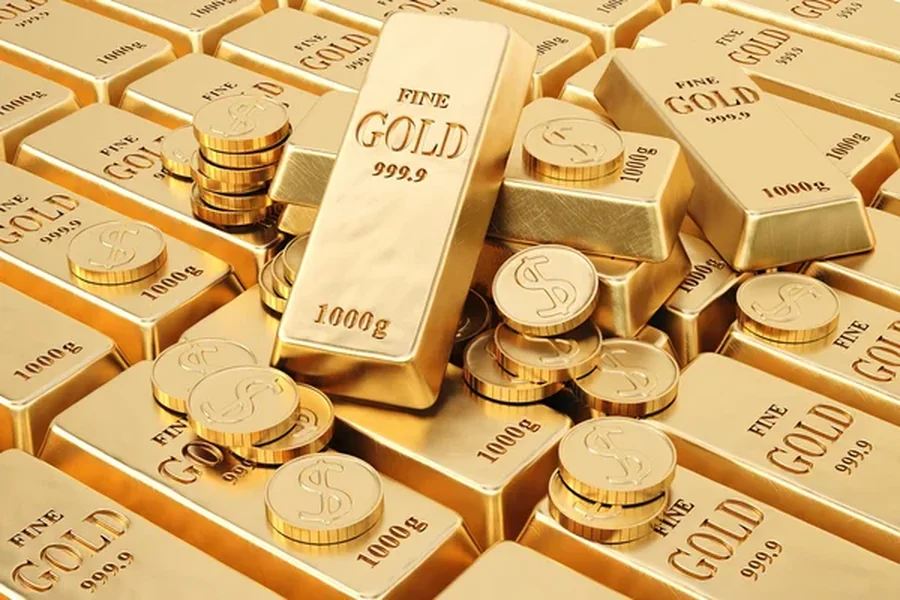
In a world of ever-fluctuating markets, gold bullion stands as a symbol of stability and enduring value. Investors have consistently turned to gold bullion as a means to preserve wealth and hedge against inflation and geopolitical uncertainty. Its intrinsic value, coupled with a history that spans thousands of years, makes gold an investment of distinction.
Historical Significance of Gold
Gold has played a vital role in shaping the economies and cultures throughout history. From ancient rituals to its use as currency, gold’s allure has been unparalleled. Civilisations have long viewed gold not just as a commodity or metal but as a foundation of wealth and prestige. The earliest indication of gold being used dates back to around 4000 BCE. As civilisation advanced, it was recognised as a universal standard in trade and valued as currency for its rarity and intrinsic beauty.
Gold Bullion in Today’s Economy
Today, gold bullion is more than an archaic relic; it is an essential component of the global economy. It serves as a standard of measure for many nations’ monetary systems and remains a critical component of foreign reserves. Central banks hold significant quantities of gold as a safeguard against economic instability, illustrating its persistent role in financial systems. In times of economic distress, gold often retains its value compared to other assets, which can depreciate rapidly.
Investment Dynamics
The dynamics of investing in gold bullion are influenced by market demand, geopolitical factors, and macroeconomic conditions. Gold bullion appeals to a diverse range of investors, from those seeking portfolio diversification to those looking to preserve wealth over generations. Unlike currency, gold does not rely on a central issuer for its value, providing a degree of security and independence from government policies that may affect fiat currencies.
Technical Aspects of Gold Bullion
The production and refinement of gold bullion involve meticulously detailed processes. Gold is typically measured in troy ounces, with purity levels indicated in carats. The most common form of investment-grade gold bullion includes bars and coins, which are often stamped with weight and purity markings. These marks serve as indicators of authenticity and quality, playing a vital role in the bullion market’s integrity.
Gold and Cryptocurrency
The emergence of cryptocurrency as a digital investment asset has sparked debates among investors. Comparisons between gold bullion and cryptocurrency highlight differing investment philosophies. Gold, with millennia of proven stability, contrasts with cryptocurrency’s revolutionary promise and notorious volatility. While some view cryptocurrency as a modern adaptation of a secure investment, others see gold bullion as a timeless benchmark.
Manipulations and Regulations
As with any high-value commodity, gold markets are subject to manipulations and require stringent regulations. Regulatory bodies worldwide impose laws to ensure transparency and fair trading practices, curbing fraudulent activities that could distort market truths. Investors must be aware of these regulations to make informed decisions and mitigate risks associated with market manipulations.
Environmental Considerations
The extraction and refinement of gold bullion pose significant environmental challenges. These processes can result in water pollution, habitat destruction, and the release of toxic chemicals when not managed responsibly. Increasingly, ethical investors are scrutinising gold producers to ensure eco-friendly practices are in place. This has led to a growing interest in recycled gold and more sustainable production methods, seeking to ameliorate gold’s environmental impact.
Gold’s Response to Inflation
Gold bullion has historically been seen as a hedge against inflation. As inflation erodes currency value, gold tends to maintain purchasing power. This is because gold’s price usually rises in response to increasing inflation, making it an attractive investment for those looking to protect their assets from the eroding effects of rising prices. Its role as a non-yielding asset may often deter short-term speculative investors, but it remains attractive for the long-term preservation of wealth.
Economic Crisis and Gold Demand
In times of economic crisis, demand for gold bullion typically surges. During financial downturns, the metal’s reputation as a haven is underscored as investors seek refuge from unstable markets. Historically, events such as wars, recessions, and political uncertainties have correlated with increased gold investment, driving up its value as confidence in traditional securities wanes.
Gold in the Technological Era
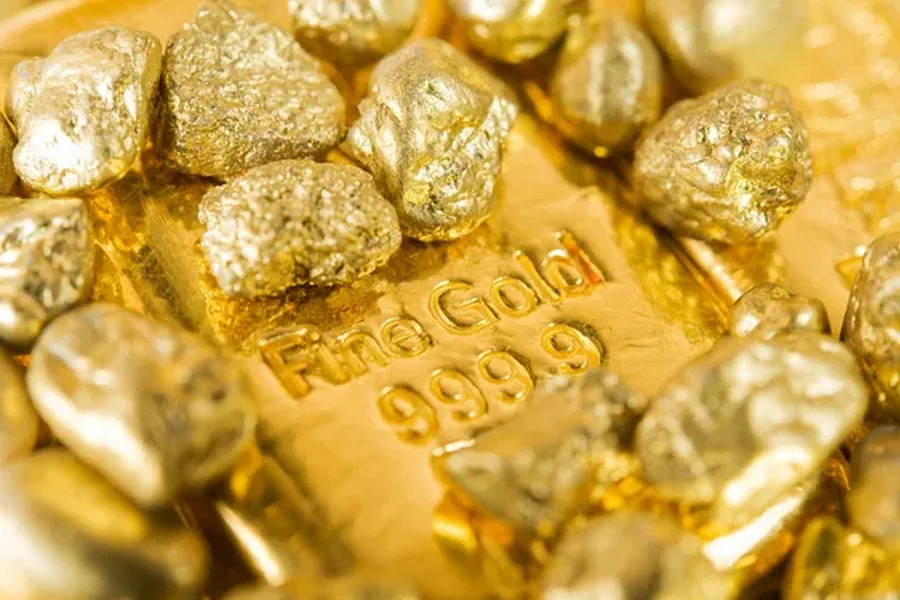
Despite being an ancient metal, gold continues to find new applications in the modern technological era. Beyond its financial significance, gold is utilised in electronics, telecommunications and space technology due to its excellent conductive properties. This industrial demand represents a significant portion of gold usage, reinforcing its indispensable nature in technological advancements.
Future Prospects
The future of gold bullion in the investment landscape appears promising, as geopolitical uncertainties and technological developments continue to play pivotal roles. Analysts speculate that gold will remain a cornerstone of wealth preservation while adapting to and incorporating advancements in technology and ecological consciousness. As the global economy evolves, gold’s multifaceted value, from investment fulfilment to industrial application, ensures its relevance in the years to come.
Legal and Ethical Buying
Ensuring that gold bullion is acquired legally and ethically promotes market integrity. Investors are encouraged to verify the provenance of their gold, choosing products that comply with ethical sourcing standards. Ethical gold sourcing not only benefits communities and the environment but also strengthens gold’s stature as a trusted and reliable investment vehicle.
Through understanding its historical roots, modern economic functions, and future potential, gold remains a pivotal investment for discerning buyers. The appeal of gold bullion is both timeless and timely, reflecting a universal truth in the power of wealth preservation.