

Singapore is a hub of innovation, a quality that extends even to the domestic sphere, where cutting-edge kitchen appliances have revolutionised the way cooking is done. Home to a diverse culture and culinary tradition, Singapore’s kitchens reflect a blend of global and local influences that demand efficient and versatile appliances. Big players in the industry contribute to this transformation, with Fujioh Singapore offering a range of products known for their quality and reliability, enhancing the cooking experience for many Singaporeans.
A Growing Trend towards Smart Appliances
Smart kitchen appliances are increasingly common in Singaporean homes as Internet of Things technology reshapes daily routines. Connected refrigerators, ovens and dishwashers allow homeowners to control and monitor their kitchens through mobile apps and voice assistants. Features such as automated maintenance alerts, remote operation and usage tracking provide a level of convenience that aligns with fast-paced urban lifestyles.
Smart appliances also contribute to energy efficiency by optimising performance based on real-time data. Sensors adjust temperature, water usage and cooking time, reducing waste while improving results. For many households, a smart kitchen is no longer a luxury but an essential upgrade that supports modern living, digital connectivity and sustainability. As home automation continues to evolve, integrated smart kitchens are becoming a defining feature of contemporary Singapore apartments.
Addressing Space Constraints with Compact Solutions
Space is one of the most valuable resources in Singapore’s residential landscape. Compact kitchens require appliances that maximise function without overwhelming limited square footage. Manufacturers are responding with slimline, multi-functional and modular designs tailored to small urban homes.
Multi-purpose cookers combine steaming, pressure cooking and slow cooking in a single unit. Mini refrigerators offer efficient cooling while fitting seamlessly into compact layouts. Narrow dishwashers and built-in appliances maintain visual clarity while preserving storage space. These solutions enable homeowners to create fully functional kitchens even in smaller flats, ensuring that practicality does not compromise performance.
The emphasis on compact appliances also influences kitchen design trends. Integrated cabinetry, hidden ventilation systems and minimalist aesthetics help kitchens feel spacious and organised. This approach reflects a broader urban design philosophy that prioritises efficiency, flexibility and comfort.
Energy Efficiency and Sustainable Living
Energy-efficient kitchen appliances are a growing priority as Singapore advances its environmental goals. Consumers increasingly seek appliances designed to minimise electricity and water consumption without sacrificing performance. Eco-friendly technologies such as inverter motors, smart sensors and adaptive energy modes help households reduce their carbon footprint while lowering utility costs.
Sustainable appliance design also supports Singapore’s broader commitment to green urban living. Refrigerators with improved insulation, dishwashers with water-saving cycles and induction cooking systems that reduce energy loss are becoming standard expectations rather than optional features. These innovations reflect a cultural shift towards mindful consumption and long-term sustainability.
For environmentally conscious homeowners, energy ratings and efficiency certifications now play a significant role in purchasing decisions. The kitchen has become an important space for practising sustainable habits, reinforcing the connection between personal lifestyle choices and national environmental responsibility.
Supporting Multi-Cuisine Cooking
Singapore’s multicultural identity strongly influences kitchen appliance preferences. Households often prepare Chinese, Malay, Indian and Western dishes within the same space, requiring appliances that accommodate diverse cooking techniques. Kitchens are designed to handle steaming, stir-frying, baking, grilling and slow cooking with equal ease.
Modern appliances bridge traditional methods and contemporary technology. Advanced steam ovens replicate the precision of classic steaming while offering digital controls. Induction hobs provide high heat suitable for wok cooking. Baking ovens support Western culinary styles with consistent temperature management. This adaptability allows families to honour cultural traditions while benefiting from modern efficiency.
The integration of multi-cuisine functionality highlights how appliance innovation respects heritage rather than replacing it. Technology enhances the cooking experience while preserving flavours, textures and techniques central to Singapore’s culinary identity.
The Rise of Induction Cooking
Induction cooking has gained strong momentum in Singapore due to its efficiency, safety and suitability for tropical climates. Unlike gas stoves, induction hobs heat cookware directly through electromagnetic energy, minimising heat loss and reducing ambient temperature in the kitchen. This results in faster cooking times and a cooler, more comfortable environment.
Precise temperature control allows for consistent cooking, making induction systems ideal for both delicate dishes and high-heat stir-frying. Safety is another advantage, as the surface remains relatively cool and automatically switches off when cookware is removed. These features appeal to families seeking safer, cleaner and more energy-efficient alternatives to traditional gas cooking.
As urban homes continue to prioritise compact design and sustainability, induction technology represents a natural evolution in kitchen infrastructure.
Dishwasher Adoption in Urban Homes
Dishwashers are rapidly transitioning from luxury items to everyday essentials in Singaporean households. Busy work schedules and compact living arrangements increase the appeal of appliances that save time and effort. Modern dishwashers are designed to fit small kitchens while offering powerful cleaning performance and water-efficient cycles.
Compared to manual washing, dishwashers often use less water and deliver more hygienic results through high-temperature sanitisation. Smart connectivity features allow users to schedule cycles, monitor progress and receive maintenance alerts remotely. These conveniences align with the expectations of digitally connected households seeking seamless home management.
The growing adoption of dishwashers reflects changing domestic priorities, where efficiency and hygiene are valued alongside traditional notions of household care.
Ventilation for High-Density Living
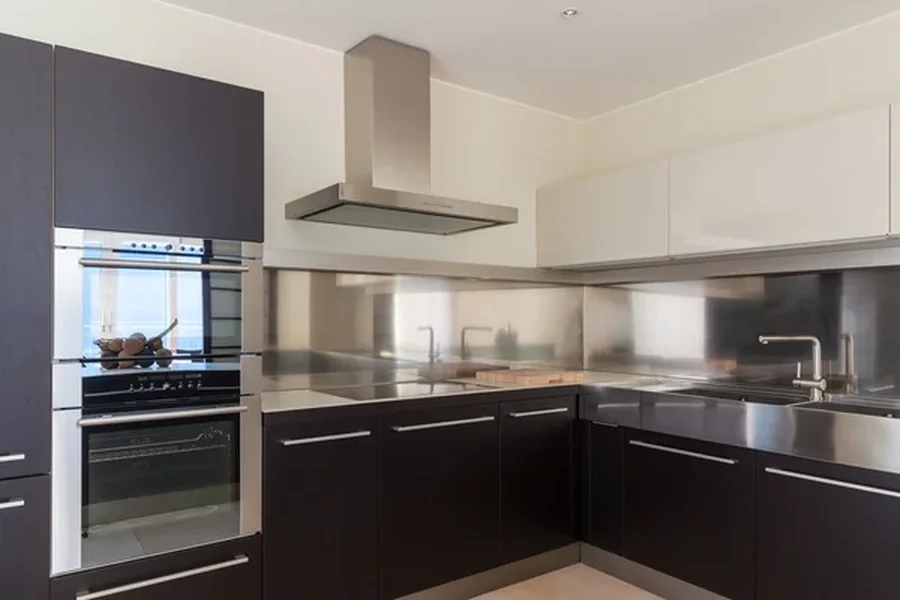
Effective kitchen ventilation is essential in Singapore’s high-rise residential environment, where open-plan living spaces are common. Proper airflow prevents cooking odours, grease and smoke from spreading into living areas. Modern ventilation systems are designed to combine strong extraction performance with quiet operation and sleek aesthetics.
Advanced range hoods feature multi-speed fans, efficient filtration and energy-saving motors. Integrated designs allow ventilation systems to blend seamlessly into cabinetry, preserving a clean visual profile. Good ventilation not only improves indoor air quality but also protects kitchen surfaces and furniture from long-term residue build-up.
In densely populated urban housing, ventilation technology plays a crucial role in maintaining comfort and hygiene within shared living spaces.
Revolutionising Food Storage
Refrigeration technology continues to transform food storage in Singaporean homes. Modern refrigerators offer flexible compartments, humidity control and rapid cooling features that extend the freshness of ingredients. These innovations are particularly valuable in a climate where heat and humidity can accelerate spoilage.
Smart storage systems help reduce food waste by maintaining optimal preservation conditions. Some models include internal cameras, inventory tracking and expiry notifications that support better meal planning. For households managing busy schedules, efficient refrigeration reduces the need for frequent grocery trips while improving food safety.
The evolution of refrigeration demonstrates how appliance innovation directly influences everyday lifestyle efficiency.
Enhancing Home Automation
Kitchen appliances are increasingly integrated into broader smart home ecosystems. Interconnected devices communicate with each other to create a seamless household experience. Ovens can preheat remotely, refrigerators can generate shopping reminders, and dishwashers can coordinate with energy-saving schedules.
This level of automation transforms the kitchen into an intelligent hub that supports productivity and organisation. Automation also improves accessibility, allowing homeowners to manage appliances through voice control or mobile interfaces. As smart homes become more widespread, the kitchen remains central to digital domestic life.
Conclusion
Kitchen appliances in Singapore represent a dynamic intersection of innovation, sustainability and cultural adaptability. From smart connectivity and compact design to energy efficiency and multi-cuisine functionality, modern appliances respond directly to the demands of urban living. These technologies do more than simplify cooking; they reshape how households operate, conserve resources and preserve culinary traditions. As innovation continues to advance, Singapore’s kitchens will remain a powerful reflection of smart living, environmental responsibility and cultural diversity.