
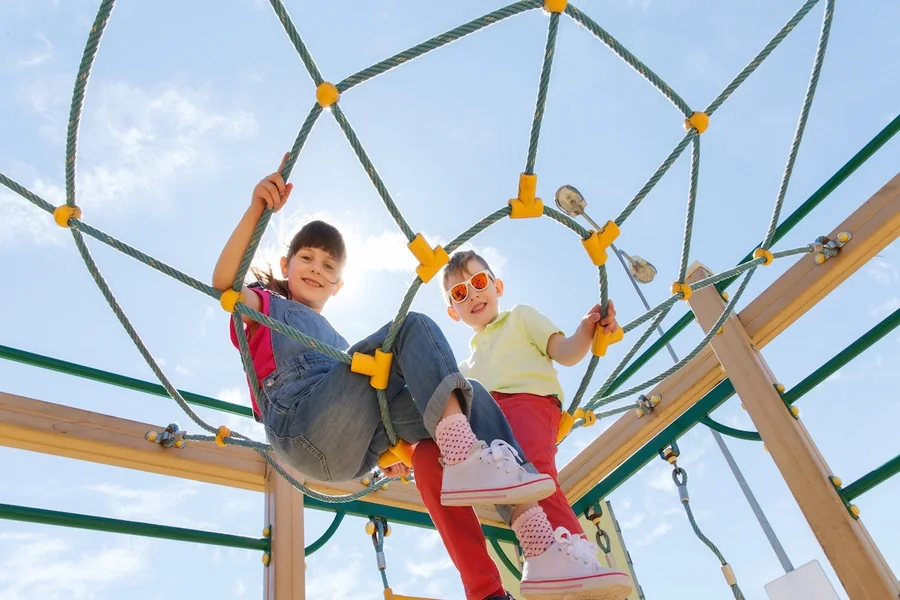
Getting a phone call from the school nurse is every parent’s worst nightmare. Your heart races as you rush to pick up your child, only to find them suffering from a broken bone, a deep laceration, or worse, a concussion. Adding insult to injury is the conversation that often follows with school administrators. They quickly dismiss the incident, telling you that “accidents happen” or that it was simply a case of “kids being kids.”
As a parent, this response feels incredibly frustrating and unfair. You trust the school to keep your child safe. When they brush off a serious incident, it invalidates your child’s pain and leaves you with mounting medical bills. The reality is that most severe playground injuries are not unpreventable flukes. They are often the direct result of hidden hazards, poor maintenance, or inadequate supervision that schools must answer for.
The data highlights exactly how common these dangerous environments are. Research shows that an annual average of 214,883 children aged 14 and younger are treated in emergency departments for playground-related injuries, with over 21,000 suffering traumatic brain injuries. These are not scraped knees. These are life-altering events that require immediate medical intervention.
You do not have to accept the school’s flimsy excuses. When a child is hurt due to an unsafe environment or distracted staff, families need an experienced school injury advocate dedicated to holding schools accountable for preventable injuries. Finding the truth is the first step toward getting your child the care they deserve.
The Hidden Playground Risks Schools Ignore
When a child trips over their own shoelaces on a flat surface, that is a true accident. However, when a child falls because the rubber safety matting under a slide is worn down to the concrete, that is a preventable injury. Schools have a legal obligation to maintain a reasonably safe environment for their students. When they fail to do so, they put children at extreme risk.
Many parents do not realize how many hidden dangers exist on a standard school playground. These risks often stem from a school’s failure to repair known hazards. For example, rusted S-hooks on swings, jagged edges on plastic slides, and missing bolts on climbing structures are common issues that maintenance staff ignore. Another major issue is a lack of active staff supervision. Teachers often group together to chat during recess, leaving large sections of the playground completely unmonitored.
Certain types of equipment pose a much higher risk and demand constant attention. According to recent studies, monkey bars and swings are the most frequently reported playground equipment associated with traumatic brain injuries. Because these structures carry such high risks for severe falls, they require strict, constant monitoring from school staff and regular safety audits. When schools ignore these hidden risks, they transition from being caregivers to negligent parties.
Realizing that your child’s injury was caused by a maintenance oversight or a lack of supervision is frustrating and overwhelming. When a school overlooks these obvious hazards, working with a school injury lawyer can help you get a clear picture of what went wrong and who is responsible. This process ensures your family isn’t left alone with medical bills and recovery costs, shifting the focus back to your child’s health and the school’s responsibility to keep every student safe.
How to Prove the School is Liable
If you want to hold a school accountable for your child’s injuries, you cannot rely on anger alone. The law requires a structured approach to prove the school was actually at fault. This is done using the “Four-Pillar Negligence Test.”
This test is the primary legal standard used to evaluate a school’s liability. It forces parents and their legal teams to look past the school’s predictable excuses and identify distinct patterns of negligence over time. To win a claim, you must successfully prove all four of these pillars.
| Negligence Pillar | What It Means in Simple Terms | Playground Example |
|---|---|---|
| 1. Duty of Care | The school has a legal obligation to keep your child safe while on their property. | Providing a secure, supervised playground environment during recess. |
| 2. Breach of Duty | The school failed to meet that obligation through action or inaction. | Failing to replace a broken swing chain after a teacher reported it. |
| 3. Causation | The school’s specific failure directly caused your child’s injury. | The broken chain snapped while your child was swinging, causing a fall. |
| 4. Damages | Your child suffered measurable physical, emotional, or financial harm. | Your child suffered a fractured arm requiring surgery and physical therapy. |
Proving these pillars requires looking closely at the school’s actions leading up to the incident. You have to demonstrate that the school knew, or should have reasonably known, about the danger but chose to do nothing.
The Evidence You Need to Gather
Building a strong negligence case requires an evidence-driven approach. Schools are notorious for circling the wagons after an incident. Administrators may try to hide their mistakes, lose paperwork, or downplay the severity of the lack of supervision.
You and your school injury lawyer must secure specific documentation quickly before it disappears. This includes requesting official maintenance records, daily staff supervision schedules, and any available security or surveillance footage of the playground. Even photos taken by your child’s friends right after the incident can be powerful pieces of evidence.
It is also vital to dig into the school’s history. Uncovering prior disciplinary records of the staff on duty can reveal a pattern of negligence. Likewise, finding past parent complaints regarding the exact same playground hazards proves that the school had prior knowledge of the danger and ignored it.
Recovering Compensation for Your Child’s Future
A severe playground injury does more than ruin a school year. It can alter the trajectory of your child’s life. The goal of filing a legal claim is not just about pointing fingers. It is about securing the financial and developmental support your family needs to heal.
Families can seek compensation for a wide variety of damages. This starts with current medical bills, including emergency room visits, surgeries, and hospital stays. It also covers future medical expenses resulting from the playground injury. If your child suffers a traumatic brain injury, they may need years of specialized neurological care, physical therapy, and cognitive rehabilitation.
You can also pursue compensation for pain and suffering. This accounts for the physical agony your child endured and the emotional trauma of the event. Children who suffer severe injuries often deal with anxiety, depression, or a fear of returning to school.
A successful school injury legal claim ensures access to the best medical care available. It provides holistic client support, ensuring that any long-term physical or developmental impacts are fully funded. This lifelong financial security means you will never have to choose between your family’s financial stability and your child’s well-being.
Conclusion
Parents should never blindly accept the “accidents happen” excuse when a child is seriously hurt on school grounds. While minor bumps and bruises are a part of growing up, broken bones and brain injuries are usually the result of a failure in the system.
Protecting your child means identifying the hidden hazards that caused the fall. It involves utilizing the four pillars of negligence to build an airtight case and understanding the strict legal rules that separate public and private school claims.
You have the power to demand better. By seeking answers and taking legal action, you do more than just protect your child’s future. You force negligent authorities to take responsibility, ensuring that no other family has to receive that terrible phone call from the school nurse.