
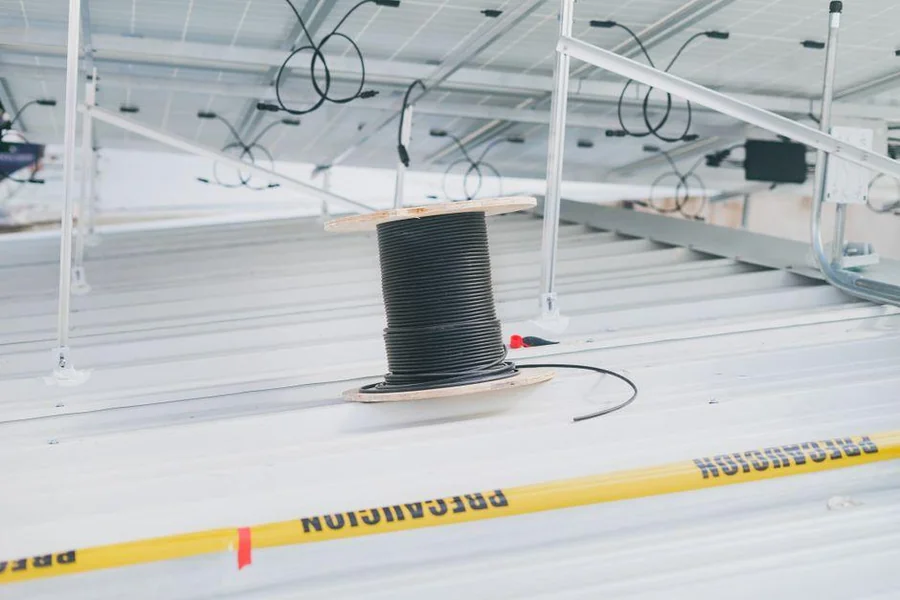
In modern infrastructure, a cable pull pit is a critical component that ensures efficient management and protection of subterranean cabling systems. These pits are pivotal in preventing damage and maintaining the integrity of the extensive underground cable networks essential to electricity, telecommunications, and data services.
The Functionality of Cable Pull Pits
Cable pull pits offer numerous advantages in managing underground cable installations. They serve not only as access points for maintenance but also as protective enclosures that keep cables safe from external elements. The design of a cable pull pit ensures durability and longevity, frequently constructed from robust materials like concrete or high-strength plastic. This resilience is crucial in withstanding environmental stressors like pressure from traffic and natural elements. Further insights and specifications can be explored on Wilken’s website.
Structural Design and Materials
Structurally, cable pits are meticulously engineered to meet rigorous safety standards. Typically, the pits are designed to allow easy access for engineers and maintenance teams who perform regular inspections and repairs. This access is enhanced by incorporating features such as removable covers and spacious interiors that facilitate the pulling and distribution of cables.
The materials used in constructing these pits are selected based on factors such as load-bearing requirements and environmental conditions. Concrete is a popular choice due to its strength and ability to be moulded into various shapes and sizes that accommodate different site-specific needs. Alternatively, high-density polyethene is favoured in scenarios that require lightweight and corrosion-resistant solutions.
Installation Techniques
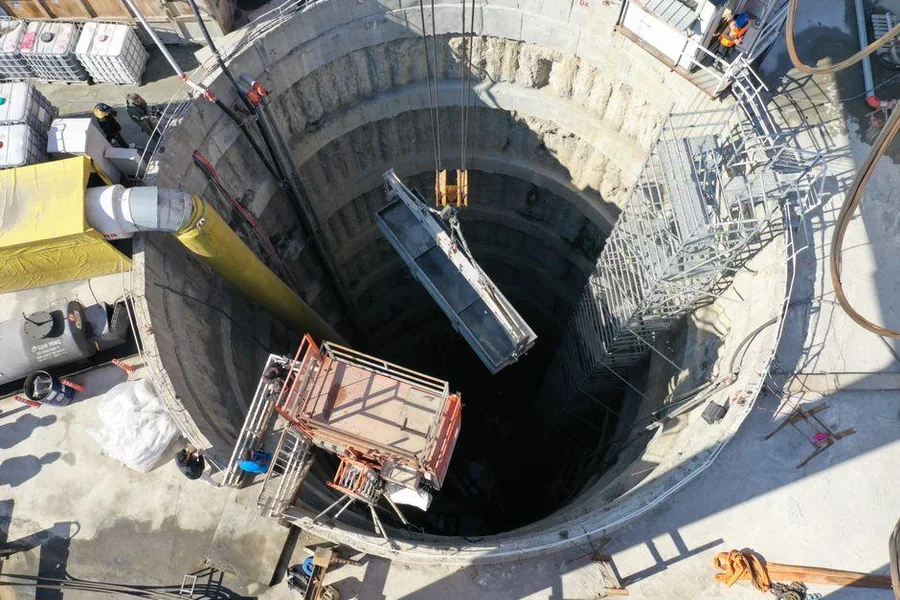
The installation of cable pull pits demands precision and adherence to best practises. The process begins with a thorough site survey to identify optimal locations that minimise disruption and maximise functionality. Installation teams then excavate carefully measured pits, ensuring that they are level and free from obstructions such as underground water sources or existing infrastructure.
Once the trenching is complete, the pits are strategically positioned and secured. The placement must ensure stability against potential ground shifts and external forces. After positioning, additional sealing may be applied to ensure that the pits are watertight, further protecting cables against moisture and potential degradation.
Safety and Accessibility Considerations
Safety is paramount in the design and installation of cable pull pits. The pits must include features that prevent accidental ingress by unauthorised personnel, a crucial factor in urban and industrial environments. Additionally, the surface covers are often designed with anti-slip textures to reduce the risk of accidents during maintenance activities.
Accessibility is another crucial aspect, as ease of entry can significantly reduce operational downtime. This is achieved through thoughtful design that incorporates ergonomic principles, ensuring that maintenance can be performed swiftly and safely, with minimal ergonomic strain on personnel.
Role in Infrastructure Development
In modern infrastructure development, cable pull pits play an integral role. They facilitate the organisation and protection of underground systems critical to urban development, and by providing easy access points, they enable seamless integration and expansion of infrastructure as cities grow.
These pits are also at the forefront of advancing smart city initiatives. As urban environments become more technologically integrated, the demands on underground networks increase exponentially. Cable pits accommodate this growth by providing infrastructural flexibility, allowing for an increase in capacity without necessitating extensive upgrades to existing systems.
Environmental Impact and Sustainability
With heightened awareness of environmental impact, the sustainability of infrastructure solutions is under increasing scrutiny. Cable pull pits contribute positively by enabling efficient underground systems that reduce surface congestion and environmental footprints. Their design often incorporates eco-friendly principles, using materials that are recyclable or have minimal environmental impact.
Moreover, by protecting vital network components, these pits help prevent outages and reduce the need for disruptive repairs, thereby minimising the ecological disturbances associated with frequent excavation and construction activities.
Technological Advancements
The field of cable pull pit technology is not static; it evolves alongside infrastructure advancements. Recent innovations include the integration of sensors and monitoring equipment within the pits themselves. These technologies provide real-time data on cable conditions, allowing for proactive maintenance and reducing the likelihood of unexpected outages.
Additionally, smart materials are being developed that improve the pits’ resilience against corrosion and chemical degradation, thereby extending their lifespan and reducing the long-term costs associated with maintenance and replacement.
Industry Standards and Regulations
Compliance with industry standards and regulations is a non-negotiable facet of cable pull pit installation. Strict guidelines govern everything from their structural integrity to accessibility features. These standards are in place to ensure consistent quality and safety across installations, mitigating risks associated with substandard designs.
Meetings with regulatory bodies and adherence to specified codes are integral throughout the design, construction, and maintenance phases, ensuring that every cable pull pit is a reliable asset within the broader infrastructure framework.
Future Outlook
The evolution of cable pull pit technology is set to continue as infrastructure needs grow and diversify. As networks become more complex, the demand for innovative solutions that cater to increased connectivity and robustness is expected to rise. Emerging trends in urban planning and technology promise to shape the future of these essential infrastructure components, ensuring they remain as versatile and effective as ever in meeting the demands of modern society.